I still remember the day I decided to ditch the snooze button and create a morning routine that actually stuck – it was the starting point for my journey to learn how to build better habits. For years, I’ve been fascinated by the idea that our daily habits can either make or break our productivity, mental health, and overall well-being. As someone who’s spent a decade managing complex projects in the tech industry, I’ve learned that breaking down big goals into smaller, manageable tasks is key to success. But when it comes to building better habits, it’s not just about creating a to-do list – it’s about creating a system that works for you.
In this article, I’ll share my personal story of how I’ve applied project management principles to my own life to build better habits. I’ll give you the honest, no-hype advice you need to create a routine that sticks, from identifying your why to creating a schedule that works for you. You’ll learn how to break down your big goals into smaller, achievable tasks, and how to use sprints and milestones to track your progress. My goal is to help you feel more in control and less overwhelmed, and to provide you with the tools you need to make lasting changes in your life.
Table of Contents
Guide Overview: What You'll Need

Total Time: 30 days to 6 months
Estimated Cost: $0 – $100
Difficulty Level: Intermediate
Tools Required
- Journal or Planner (for tracking progress)
- Mobile App (for reminders and habit tracking)
- Sticky Notes (for placing reminders in strategic locations)
Supplies & Materials
- Reward System (e.g., treats, privileges)
- Accountability Partner (optional, but recommended)
- Whiteboard or Chalkboard (for creating a habit tracker or schedule)
Step-by-Step Instructions
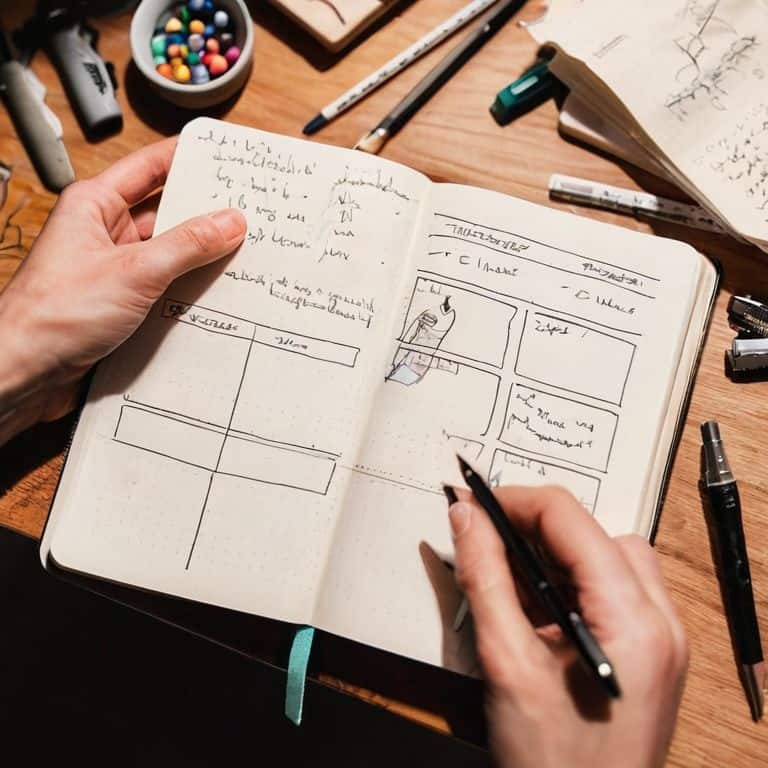
- 1. First, let’s get started by setting clear goals for ourselves. This means taking some time to reflect on what habits we want to build and why. Ask yourself, what are your motivations for building these habits? What will your life look like once you’ve achieved them? Write down your goals and make them specific, measurable, and attainable. I like to use a bullet journal to track my progress and stay organized.
- 2. Next, we need to identify our triggers and understand what sets us off. Are you more likely to skip your morning routine when you’re running late, or do you tend to overeat when you’re stressed? Once you know your triggers, you can develop strategies to avoid or manage them. For me, it’s about creating a morning routine that sets me up for success, even on busy days. I prioritize my most important tasks for the morning, and I make sure to schedule some time for self-care.
- 3. Now it’s time to break down big habits into smaller ones. Let’s say you want to start exercising regularly, but the thought of going to the gym every day feels overwhelming. Instead, start by committing to a 10-minute walk each day. As you get into the habit, you can gradually increase the duration and intensity of your workouts. I like to use a Gantt chart to visualize my progress and stay on track. It’s amazing how small wins can add up over time and help you build momentum.
- 4. The next step is to create an environment that supports your habits. This might mean cleaning out your fridge and stocking up on healthy snacks, or setting up a home gym in your living room. It could also mean finding a workout buddy or accountability partner to help keep you motivated. For me, it’s about creating a conducive workspace that helps me stay focused and productive. I invest in a good chair, a comfortable keyboard, and a few plants to brighten up the room.
- 5. Now we need to track our progress and hold ourselves accountable. This might mean using a habit-tracking app, or simply keeping a notebook to log your daily progress. I like to use a color-coded calendar to visualize my schedule and stay organized. It’s amazing how seeing your progress in black and white can help you stay motivated and on track.
- 6. As we work on building new habits, it’s essential to be kind to ourselves when we slip up. Remember that setbacks are a normal part of the process, and it’s okay to make mistakes. Don’t get discouraged if you miss a day or two – simply get back on track and keep moving forward. I like to practice self-compassion by acknowledging my feelings and reminding myself that it’s okay to not be perfect. It’s all about progress, not perfection.
- 7. Finally, let’s talk about celebrating our milestones. As you reach certain milestones or achieve specific goals, take time to celebrate your success. This might mean treating yourself to a nice dinner, or simply taking a few moments to reflect on how far you’ve come. I like to use a reward system to motivate myself, whether it’s a fun activity or a small gift. It’s amazing how acknowledging our achievements can help us stay motivated and encouraged to continue building new habits.
Building Better Habits

As I reflect on my own journey to building self discipline techniques, I realize that creating a habit formation plan was the game-changer. It wasn’t just about setting goals, but about breaking them down into manageable tasks and tracking progress. I use a color-coded spreadsheet to monitor my daily habits, and it’s amazing how much of a difference it makes to see my progress visualized.
One of the most significant challenges I faced was overcoming procrastination. I’d often find myself putting off tasks until the last minute, which would lead to stress and burnout. However, by incorporating strategies for overcoming procrastination into my daily routine, such as the Pomodoro Technique, I was able to stay focused and motivated. It’s all about finding what works for you and making it a non-negotiable part of your daily routine.
To maintain momentum, it’s essential to understand the role of motivation in habit formation. For me, it’s about celebrating small wins and reminding myself why I started working towards my goals in the first place. Habit maintenance strategies are also crucial, as they help you stay on track even when the initial motivation wears off. By combining these strategies with a solid plan, you’ll be well on your way to developing habits that stick.
Creating My Habit Plan
To create my habit plan, I start by identifying the habits I want to build or break. I then break down each habit into smaller, manageable tasks and assign them to specific days and times. I use a color-coded calendar to visualize my progress and ensure I’m making time for each task. I also set realistic milestones and track my progress using a habit tracker spreadsheet. This helps me stay on track and make adjustments as needed.
By creating a detailed plan, I’m able to turn my goals into actionable steps. I focus on making progress, not perfection, and celebrate small wins along the way. This approach has helped me build habits that stick, from exercise and healthy eating to productivity and self-care. With a clear plan in place, I feel more in control and motivated to achieve my goals.
Tracking Progress Matters
For me, tracking progress is where the magic happens. I use a bullet journal to monitor my habits, breaking them down into daily and weekly tasks. This visual system helps me identify patterns and stay motivated. By seeing my progress, I can adjust my plan as needed.
I also set reminders and milestones in my color-coded calendar, giving me a sense of accomplishment as I reach each goal. This approach has been instrumental in helping me stick to my habits, and I believe it can do the same for you. By tracking your progress, you’ll be able to celebrate your successes and make data-driven decisions to improve your habits over time.
Habit Hacks to Get You on Track
- Start Small: Don’t try to overhaul your entire routine at once – pick one habit you want to change and focus on that first
- Make it Visual: Write down your goals and track your progress with a habit tracker or planner to stay motivated and see how far you’ve come
- Create an Environment for Success: Eliminate distractions and set up your space to support your new habits, whether that means turning off notifications or setting up a home gym
- Find Your Why: Connect with the reasons behind your desired habits – what will achieving this habit do for you and your life?
- Be Kind to Yourself: Remember that setbacks are a normal part of the process and don’t define your entire journey – get back on track and keep moving forward
Key Takeaways to Build Better Habits
Start by ditching the snooze button and creating a morning routine that sets you up for success, because building better habits begins with small, achievable changes
Tracking progress is crucial, so find a method that works for you, whether it’s a bullet journal, a habit-tracking app, or a simple spreadsheet, to monitor your progress and stay motivated
Break down your big goals into smaller, manageable ‘sprints’ and celebrate your ‘milestones’ along the way, because turning your life into a series of achievable projects can make even the most daunting tasks feel less overwhelming
Habits That Stick
Building better habits isn’t about being perfect, it’s about being consistent – and that’s where the real magic happens, one intentional choice at a time.
Clara Jensen
Taking Control of Your Habits

As we’ve journeyed through the process of building better habits, it’s essential to remember that creating a habit plan and tracking progress are crucial steps. By breaking down large goals into manageable sprints and using tools like bullet journals or spreadsheets, you can turn any aspiration into a tangible, achievable milestone. This systematic approach not only helps in building better habits but also in maintaining them, ensuring that your efforts yield lasting results.
In the end, it’s about embracing a mindset that believes any life goal can be broken down into a Gantt chart of actionable steps. By doing so, you empower yourself to take control of your habits, your time, and ultimately, your life. So, let’s embark on this journey with optimism and a clear plan, turning our biggest dreams into small, manageable tasks, and making each day a step closer to the person we aspire to be.
Frequently Asked Questions
How do I determine which habits to prioritize when I'm trying to make multiple changes at once?
To prioritize habits, I use the Eisenhower Matrix: urgent vs. important. I label each habit as high or low in both categories, then focus on the most critical ones first. This helps me avoid overwhelm and ensure I’m making progress on what really matters.
What's the best way to handle setbacks or missed days when trying to build a new habit?
When setbacks happen, don’t stress – simply adjust your timeline and get back on track. I call it a ‘sprint restart.’ Identify what derailed you and add a contingency plan to your habit tracker. Remember, it’s about progress, not perfection. Get back to your routine and celebrate small wins to stay motivated.
Can I apply the same habit-building strategies to both personal and professional areas of my life?
Absolutely, I apply the same project management principles to my personal and professional life. I call it ‘sprinting’ towards my goals, whether it’s planning a themed party or meeting a work deadline. By breaking down big goals into smaller, manageable tasks, I can tackle anything that comes my way, both at home and in the office.