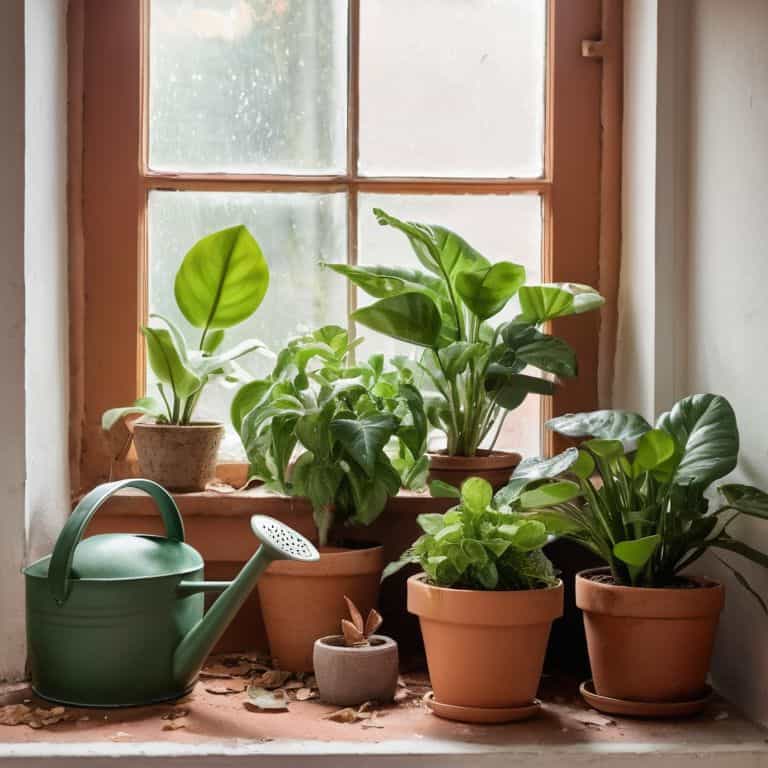
I still remember the day I brought home my first houseplant, a beautiful _fiddle leaf fig_ that I was determined to keep alive. But, as it often does, reality had other plans. I managed to kill that poor plant in a matter of weeks, and it wasn’t the last one to meet its demise under my care. In fact, I’ve lost count of how many plants I’ve killed over the years, all in the name of trying to figure out how not to kill your houseplants. It’s a frustrating struggle that many of us face, and one that’s often plagued by misleading advice and unrealistic expectations.
As someone who’s been through the ups and downs of houseplant parenthood, I want to share my hard-won knowledge with you. In this article, I’ll cut through the noise and give you the honest, no-hype advice you need to keep your houseplants happy and thriving. We’ll cover the basics of watering, lighting, and fertilization, as well as some more advanced tips and tricks for common houseplant problems. My goal is to help you create a lush, vibrant indoor oasis that reflects your personal style, without breaking the bank or losing your mind in the process. So, if you’re ready to stop killing your plants and start nurturing them, let’s get started on this journey to learn how not to kill your houseplants!
Table of Contents
Guide Overview: What You'll Need
Total Time: 1 hour 30 minutes
Estimated Cost: $10 – $30
Difficulty Level: Easy
Tools Required
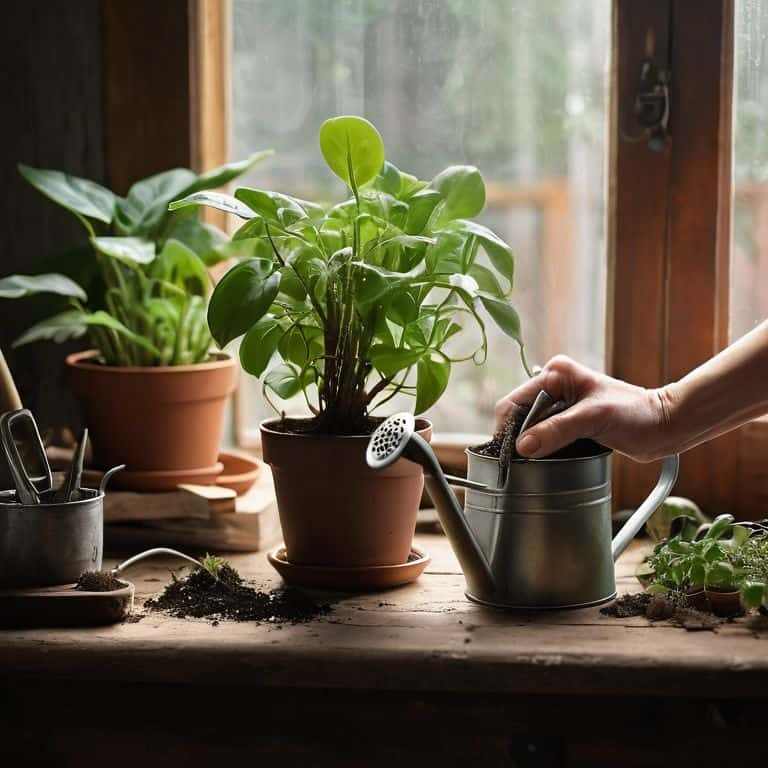
- Watering Can (with small spout)
- Pruning Shears (for trimming dead leaves)
- Measuring Cups (for accurate watering)
- Thermometer (for monitoring temperature)
- Humidity Meter (for monitoring humidity levels)
Supplies & Materials
- Potting Soil
- Fertilizer (balanced, water-soluble)
- Pots with Drainage (at least 6 inches deep)
- Mulch (for retaining moisture)
- Plant Labels (for identification)
Step-by-Step Instructions
- 1. First, let’s talk about understanding your plants’ needs. I like to think of my plants as my little green friends, each with their own unique personalities and requirements. To get started, research the specific needs of your plants, including how much water, sunlight, and nutrients they require. I’ve found that reading the labels on the planters or doing a quick online search can give you a wealth of information to get started.
- 2. Next, it’s time to get your hands dirty. I love this part! Check the soil moisture by sticking your finger into the soil up to the first knuckle. If the soil feels dry, it’s time to water. But, be careful not to overwater, as this can be detrimental to your plants. I’ve learned that it’s better to err on the side of caution and underwater slightly, as this can be easily corrected.
- 3. Now, let’s talk about lighting – it’s a crucial factor in keeping your plants happy and healthy. Most houseplants prefer bright, indirect light, but some can tolerate direct sunlight. I’ve found that east- or west-facing windows are ideal for most plants, as they provide gentle, indirect light. Avoid placing plants in areas with harsh direct sunlight, as this can cause burning or scorching.
- 4. The next step is to fertilize your plants. I like to think of fertilizing as giving my plants a special treat to help them grow strong and healthy. Use a balanced, water-soluble fertilizer during the growing season (spring and summer), and dilute it to half the recommended strength to avoid burning your plants’ roots. I’ve found that feeding my plants regularly has made a huge difference in their overall health and appearance.
- 5. It’s also essential to prune and groom your plants regularly. I love this part, as it’s like giving my plants a makeover. Remove any dead or dying leaves or stems, and cut back overgrown branches to maintain shape and encourage new growth. This will help your plants stay healthy and vigorous, and prevent them from becoming leggy or unkempt.
- 6. Another critical factor in keeping your plants alive is repotting. I’ve learned that most houseplants need to be repotted every 1-3 years, as their roots outgrow the container. Choose a pot that is only 1-2 sizes larger than the original one, and use a well-draining potting mix to prevent waterlogged soil. I’ve found that giving my plants room to grow has helped them thrive and become even more beautiful.
- 7. Finally, monitor and adjust your plant care routine as needed. I like to think of this as staying in tune with my plants’ needs. Keep an eye out for signs of stress, such as yellowing leaves or droopy stems, and adjust your care routine accordingly. Don’t be afraid to experiment and try new things – it’s all part of the journey to becoming a successful plant parent!
How Not to Kill Your Houseplants
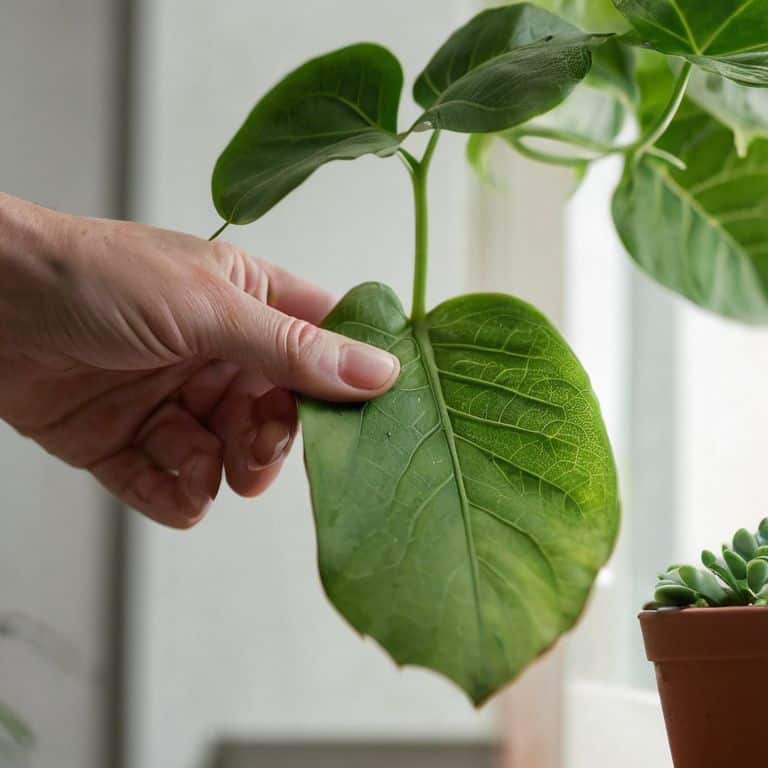
As I continue on my journey to become a houseplant whisperer, I’ve learned a thing or two about common houseplant pests that can wreak havoc on our poor plants. From spider mites to mealybugs, these tiny critters can cause a lot of damage if left unchecked. To avoid this, I make sure to inspect my plants regularly, especially after bringing new ones home from the nursery.
I’ve also come to realize that overwatering symptoms can be subtle, but deadly. Yellowing leaves, droopy stems, and a soft, mushy texture are all signs that your plant is getting too much water. To combat this, I’ve started using a moisture meter to check the soil before watering. It’s been a game-changer, and my plants are thriving as a result.
For those of us with busy schedules, indoor plant lighting tips can be a lifesaver. I’ve invested in a few grow lights to supplement the natural light in my home, and it’s made a huge difference in the health and happiness of my plants. Whether you’re a seasoned plant parent or just starting out, remember that houseplant care for busy people is all about finding a rhythm that works for you and your plants.
Common Pests to Watch Out for
As I’ve learned to nurture my plants, I’ve also encountered some unwanted visitors – pesky pests that can wreak havoc on my poor houseplants. I’ve had my fair share of battles with spider mites, mealybugs, and aphids. These tiny critters can be tough to spot, but keeping an eye out for white, cottony patches or fine webbing can help you catch them early.
To combat these pests, I’ve found that a gentle soap solution or neem oil can be a plant-saver. I also make sure to isolate infected plants to prevent the pests from spreading to my other green friends. It’s all about being proactive and taking action at the first sign of trouble – and remembering that it’s all part of the journey to becoming a plant parent.
Overwatering Symptoms and Fixes
I’ve been there – noticing my plants looking a bit off, only to realize I’ve been overwatering them. The symptoms can be subtle: yellowing leaves, droopy stems, or water pooling around the base of the pot. If you catch yourself doing this, don’t worry! Simply stop watering for a bit, and let the soil dry out slightly. You can also try repotting your plant in fresh, well-draining soil to give the roots a breather. I like to think of it as a plant intervention – giving my green friends a chance to reset and thrive once again.
My Top 5 Tips to Become a Houseplant Hero
- I’ve learned to repot my plants in the spring when they’re already bursting with new growth – it’s like giving them a brand new outfit for the season!
- Watering cans are so last season – I swear by my trusty ‘Hydro’ watering globe that helps me get the moisture just right
- Don’t even get me started on the importance of good soil! I like to mix my own using a combo of peat moss, perlite, and a little bit of love
- Most people don’t realize that houseplants need a vacation from fertilizers every now and then – give them a break and they’ll thank you for it
- I used to be a serial over-waterer, but now I check my plants’ moisture levels by sticking my finger into the soil – it’s like a little secret handshake between me and my green friends
My Top 3 Takeaways to Keep Your Houseplants Thriving
I’ve learned that observing my plants’ behavior and adjusting their care accordingly is key – it’s all about finding that delicate balance between watering, sunlight, and nourishment!
Regularly inspecting my plants for common pests like spider mites, mealybugs, and aphids has become a crucial part of my plant parenting routine – catch them early and you’ll save yourself a world of trouble!
Embracing the imperfections and quirks of my houseplants, rather than striving for perfection, has not only reduced my stress levels but also allowed me to appreciate the unique character each plant brings to my space – it’s all about telling their story, and mine, through the beautiful imperfections!
The Green Thumb Gospel
Houseplants aren’t just decoration, they’re a declaration of life and love – and with a little care, they can thrive, even in the most imperfect of hands.
Maya Rivera
Bringing Your Green Thumb to Life
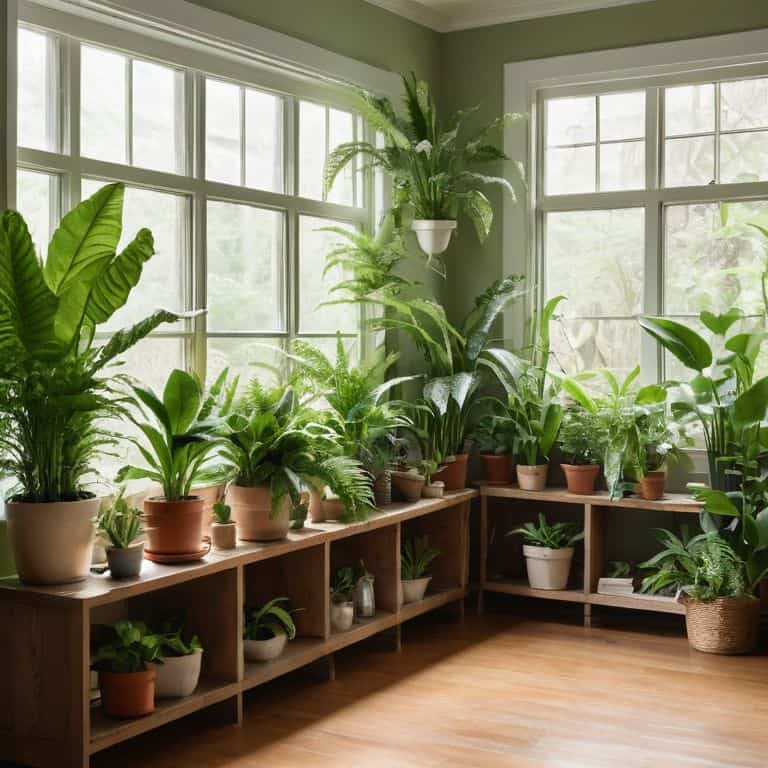
As we’ve journeyed through the world of houseplants together, I hope you’ve picked up some valuable tips to keep your green friends thriving. From avoiding common pests to recognizing the symptoms of overwatering, it’s all about paying attention to the unique needs of each plant. By following these simple steps and being mindful of your plants’ requirements, you’ll be well on your way to creating a lush, vibrant oasis in your home. Don’t be too hard on yourself if you encounter setbacks – it’s all part of the learning process, and even the most seasoned plant parents have been there.
So, the next time you’re tempted to give up on your houseplants, remember that it’s okay to make mistakes. The key is to learn from them and keep moving forward. With a little patience, love, and creative problem-solving, you can turn even the most lackluster space into a thriving indoor garden. Happy planting, and don’t forget to share your own houseplant adventures with me – I’d love to see how you’re bringing your space to life!
Frequently Asked Questions
What are some common signs that my houseplant is underwatered and how can I adjust its watering schedule?
The underwatering saga – I’ve been there too! If your plant’s leaves are crispy, wilted, or have brown edges, it’s likely thirsty. Check the soil moisture by sticking your finger in (yes, get a little dirty!). If it’s dry, it’s time for a drink. Adjust the watering schedule by adding a day or two, and monitor your plant’s response – it’ll thank you!
Can I use the same potting soil for all my houseplants or do different plants require specific types of soil?
Honestly, I used to think one potting soil fits all, but I’ve learned that’s not the case. Different plants have unique needs, and using the right soil can make a huge difference. For example, cacti and succulents love well-draining soil, while ferns prefer something more moisture-rich. I like to mix and match to give each plant exactly what it needs to thrive.
How often should I fertilize my houseplants and what type of fertilizer is best for indoor plants?
Fertilizing is like giving my plants a special treat! I fertilize mine about once a month, but it depends on the type of plant. For indoor plants, I swear by balanced, water-soluble fertilizers – they’re easy to use and won’t burn those tender roots.