
I still remember the day I realized I was leaving money on the table with my old savings account – it was a wake-up call that led me to create a guide to opening a high-yield savings account for myself and now, I’m excited to share it with you. The common myth that high-yield savings accounts are only for big savers or require a lot of hassle is simply not true. In reality, anyone can open one and start earning more interest on their savings. My journey to maximizing my savings began with a simple question: what if I could make my money work harder for me?
In this article, I’ll walk you through the step-by-step process of opening a high-yield savings account, cutting through the jargon and focusing on practical advice that you can apply right away. You’ll learn how to choose the right account for your needs, how to navigate the application process, and how to make the most of your new account. My goal is to empower you with the knowledge and confidence to take control of your savings and make progress towards your financial goals. By the end of this guide, you’ll be well on your way to supercharging your savings and making your money work harder for you.
Table of Contents
Guide Overview: What You'll Need

Total Time: 30 minutes to 1 hour
Estimated Cost: free – $0
Difficulty Level: Easy
Tools Required
- Computer (with internet connection)
- Pen (for signing documents)
- Government Issued ID (for verification)
Supplies & Materials
- None All requirements can be completed digitally
Step-by-Step Instructions
- 1. First, let’s get started by researching and comparing different high-yield savings accounts to find the one that best fits your needs. I like to use _online banking reviews_ to get a sense of the account’s features, fees, and interest rates. Make a list of your top choices and note their requirements, such as minimum balance requirements or monthly maintenance fees.
- 2. Next, gather your documents and make sure you have everything you need to open the account. Typically, you’ll need a government-issued ID, social security number, and proof of address. I like to use a _bullet journal_ to keep track of the documents I need and check them off as I gather them. This helps me stay organized and ensures I don’t forget anything.
- 3. Now, it’s time to choose your account type. Will you be opening an individual or joint account? Do you want a account with _checking writing privileges_ or a debit card? Consider your financial goals and how you plan to use the account. I like to use a _decision matrix_ to weigh the pros and cons of each option and make a decision that aligns with my goals.
- 4. With your documents and account type in order, it’s time to apply online or in-person. If you’re applying online, make sure you have a stable internet connection and a _secure browser_. If you’re applying in-person, be sure to bring all the necessary documents and be prepared to answer questions about your financial history. I like to use a _project timeline_ to keep track of the application process and ensure I meet any deadlines.
- 5. Once your account is open, it’s time to set up your account details. This includes setting up your online banking, mobile banking, and _account alerts_. I like to use a _color-coded calendar_ to keep track of my account activity and stay on top of any important deadlines or payments. Make sure you understand how to use the account’s features and take advantage of any _rewards or benefits_.
- 6. Next, you’ll need to fund your account. This can be done via _electronic transfer_, direct deposit, or mail. I like to use a _budgeting spreadsheet_ to track my income and expenses and ensure I’m allocating enough funds to my savings account. Consider setting up automatic transfers to make saving easier and less prone to being neglected.
- 7. Finally, review and maintain your account regularly. Check your account statements, _interest rates_, and fees to ensure you’re getting the best deal. I like to use a _Gantt chart_ to track my progress and stay on top of any changes or updates. By regularly reviewing your account, you can make adjustments as needed and ensure you’re reaching your financial goals.
Cracking the Code
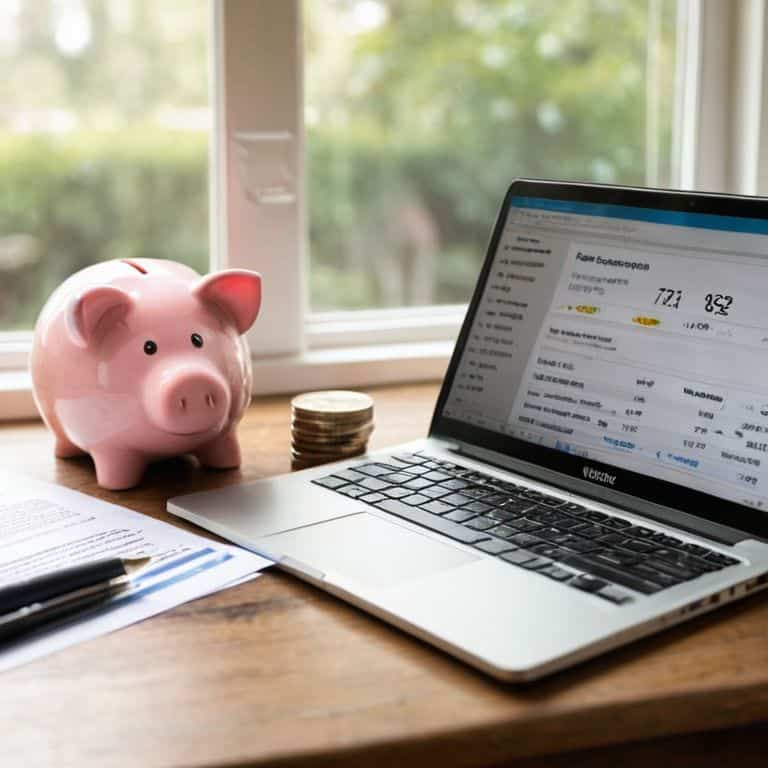
As I delved deeper into the world of high-yield savings accounts, I discovered that maximizing savings account interest rates is key to making the most out of your account. It’s essential to understand how interest rates work and how they can impact your savings over time. I learned that even a small difference in interest rates can add up to significant savings in the long run. For instance, when comparing savings account interest rate comparison tools, I found that some accounts offered rates that were significantly higher than others.
To get the most out of your high-yield savings account, it’s crucial to consider savings account fees to watch out for. Some accounts may come with hidden fees that can eat into your savings, so it’s essential to read the fine print before opening an account. I made sure to research and compare fees across different accounts to find the one that best suited my needs. By being mindful of these fees, you can ensure that your savings continue to grow over time.
When it comes to choosing the right high-yield savings account, there are several factors to consider. For students, best online savings accounts for students often offer features such as low or no fees, mobile banking, and easy transfers. By taking the time to research and compare different accounts, you can find one that meets your specific needs and helps you achieve your savings goals. By understanding the high-yield savings account benefits and taking a thoughtful approach to choosing your account, you can set yourself up for long-term financial success.
Maximizing Interest Rates Minimizing Fees
To really maximize those interest rates, I’ve found that shopping around for the best rates is key. I use a spreadsheet to track the top accounts and their corresponding rates. It’s amazing how much of a difference a few percentage points can make over time. I also make sure to read the fine print and understand any potential fees associated with the account. By being mindful of both the interest rates and fees, I’ve been able to create a system that works for me and helps my savings grow.
I’ve even set up a quarterly review of my accounts to ensure I’m still getting the best rates and terms. This has become a crucial part of my financial “sprint” – a regular check-in to assess progress and make adjustments as needed. By doing so, I’ve been able to maintain a high-yield savings account that truly works in my favor, with minimal fees and maximum interest earned.
My Journey to High Yield Savings
As I reflect on my journey to high-yield savings, I realize it was a game-changer. I used to scatter my savings across multiple low-interest accounts, feeling like I was leaving money on the table. But once I cracked the code, I consolidated my funds into a high-yield account and watched my savings grow exponentially. It was a simple yet powerful shift in my financial strategy.
I broke down my goal into manageable “sprints,” creating a timeline and checklist to ensure a seamless transition. By doing so, I was able to maximize my returns and reach my savings milestones ahead of schedule. This experience taught me the value of applying project management principles to my personal finances, and I’m excited to share this approach with others.
Savvy Savings Strategies: 5 Essential Tips for a High-Yield Account
- Choose an account with a high APY and low fees to maximize your earnings
- Consider accounts with flexible withdrawal options, such as ATM access or online transfers
- Set up automatic transfers from your primary checking account to make saving easier and less prone to being neglected
- Be mindful of minimum balance requirements and avoid accounts with excessive fees for services you don’t need
- Regularly review and adjust your account settings to ensure you’re taking full advantage of your high-yield savings account’s benefits
Key Takeaways to Boost Your Savings
Opening a high-yield savings account can be a game-changer for your finances, with the potential to earn significantly more interest than a traditional savings account
Maximizing interest rates and minimizing fees requires careful research and comparison of different accounts, but can lead to substantial long-term gains
By applying project management principles to your savings goals, such as breaking tasks into manageable ‘sprints’ and tracking progress with a color-coded calendar, you can stay on top of your finances and achieve your targets with greater ease and confidence
Unlocking Financial Freedom
Opening a high-yield savings account is not just about storing your money, it’s about unleashing a strategic savings sprint that can catapult your financial goals into reality.
Clara Jensen
Taking Control of Your Savings

In conclusion, opening a high-yield savings account is a straightforward process that can be completed in a few simple steps. From choosing the right account to maximizing interest rates and minimizing fees, we’ve covered the essential elements to get you started. By following the guide and applying the principles outlined in the Cracking the Code section, you’ll be well on your way to making the most of your savings. Remember, it’s all about finding the right balance and being mindful of the terms and conditions of your account.
As you embark on this journey to supercharge your savings, keep in mind that it’s not just about the money – it’s about taking control of your financial future. By making informed decisions and staying committed to your goals, you’ll be able to achieve a sense of financial freedom that will have a lasting impact on your life. So, go ahead and take the first step today, and watch your savings grow over time with a high-yield savings account that works for you.
Frequently Asked Questions
What are the typical requirements for opening a high-yield savings account?
To open a high-yield savings account, you’ll typically need to provide identification, proof of address, and a minimum initial deposit – don’t worry, it’s a breeze! Most banks require a government-issued ID, utility bill, and a small deposit to get started. I break it down into a simple checklist in my bullet journal to stay organized.
How do I know which high-yield savings account is best for my financial situation?
To find the best high-yield savings account for your financial situation, consider your monthly maintenance fees, interest rates, and minimum balance requirements. Make a list of your top priorities – is it low fees, high interest, or mobile banking? Then, research and compare accounts that fit your needs, using online tools or speaking with a financial advisor to make an informed decision.
Are high-yield savings accounts insured by the FDIC, and what does that mean for my deposits?
Yes, high-yield savings accounts are typically insured by the FDIC, which means your deposits are protected up to $250,000. Think of it as a safety net for your savings – you can earn higher interest rates without worrying about losing your principal. It’s a win-win, and one less thing to stress about in your financial project plan!