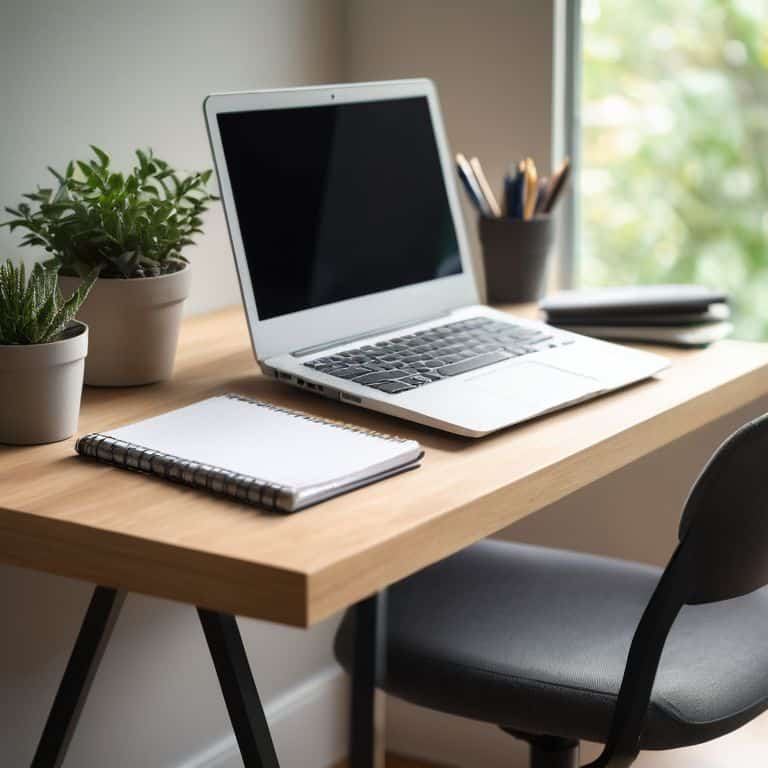
I still remember the day I realized that my chaotic workspace was sabotaging my productivity. I was trying to meet a tight deadline, but between social media notifications, chatty coworkers, and a cluttered desk, I couldn’t focus on anything. That’s when I decided to take matters into my own hands and learn how to set up a distraction-free workspace. It wasn’t easy, but with a few simple tweaks, I was able to transform my workspace into a haven of productivity. I discovered that it’s not about creating a sterile environment, but about intentionally designing a space that fosters focus and helps you stay on track.
In this article, I’ll share my personal story of how I created a distraction-free workspace, and provide you with practical tips on how to do the same. You’ll learn how to identify and eliminate common distractions, create a schedule that works for you, and set up a workspace that boosts your productivity. My goal is to help you take control of your work environment and achieve your goals without feeling overwhelmed. By the end of this article, you’ll have a clear understanding of how to set up a distraction-free workspace that works for you, and be equipped with the tools and strategies you need to stay focused and achieve your objectives.
Table of Contents
Guide Overview: What You'll Need
Total Time: 1 hour 45 minutes
Estimated Cost: $50 – $100
Difficulty Level: Easy
Tools Required
- Measuring Tape (for measuring workspace dimensions)
- Level (for ensuring surfaces are even)
- Pencil (for marking surfaces)
- Utility Knife (with extra blades)
Supplies & Materials
- Ergonomic Chair (for comfortable seating)
- Desk Lamp (for proper lighting)
- Noise-Cancelling Headphones (for minimizing distractions)
- 6 inches x 4 feet Shelving (for organizing materials)
- Cable Organizer (for managing cords and cables)
Step-by-Step Instructions
- 1. First, assess your current workspace and identify the things that distract you the most – is it the noise from the street, your phone buzzing with notifications, or perhaps the clutter on your desk? Take note of these distractions, as we’ll be tackling them one by one to create a space that fosters focus and productivity.
- 2. Next, clear the clutter from your workspace – this means getting rid of anything that’s not essential to your work or study sessions. I like to use the Pomodoro Technique to make this task less daunting: set a timer for 25 minutes, and during that time, sort items into three piles – keep, donate/sell, and throw away. Take a break, and then come back to it if needed.
- 3. Now, let’s talk about ergonomics – it’s crucial to set up your workspace in a way that promotes good posture and reduces eye strain. Invest in a comfortable, ergonomic chair, and position your computer monitor at a distance that allows you to gaze slightly downward. Consider using a standing desk or a riser to alternate between sitting and standing throughout the day.
- 4. To minimize digital distractions, set up website blockers on your computer or mobile device – tools like Freedom or SelfControl can block social media, email, or other distracting websites during certain periods of the day or for a set amount of time. I also recommend implementing a “no meeting day” once a week, where you dedicate the entire day to focused work.
- 5. Create a “stop doing” list – yes, you read that right! Identify tasks, habits, or activities that consistently derail your productivity, and make a conscious effort to stop doing them. For me, it was checking my email every five minutes; now, I’ve limited my email checks to twice a day, and it’s been a game-changer.
- 6. Invest in some noise-cancelling tools – whether it’s a pair of noise-cancelling headphones, a white noise machine, or an app that generates background noise, find what works best for you to create a consistent audio environment. I personally use a fan to create a gentle hum that helps me focus.
- 7. Establish a “pre-work routine” to signal to your brain that it’s time to focus – this could be as simple as making a cup of coffee, doing a quick meditation, or going for a short walk. For me, it’s about setting clear goals for the day and breaking them down into manageable tasks; having a clear plan helps me stay on track and avoid distractions.
- 8. Finally, schedule regular “workspace maintenance” sessions – set aside time each week to tidy up your workspace, update your to-do lists, and review your progress. This helps maintain the sense of control and calm that comes with having a distraction-free workspace, and it’s a great opportunity to reflect on what’s working and what areas need improvement.
My Path to Focus
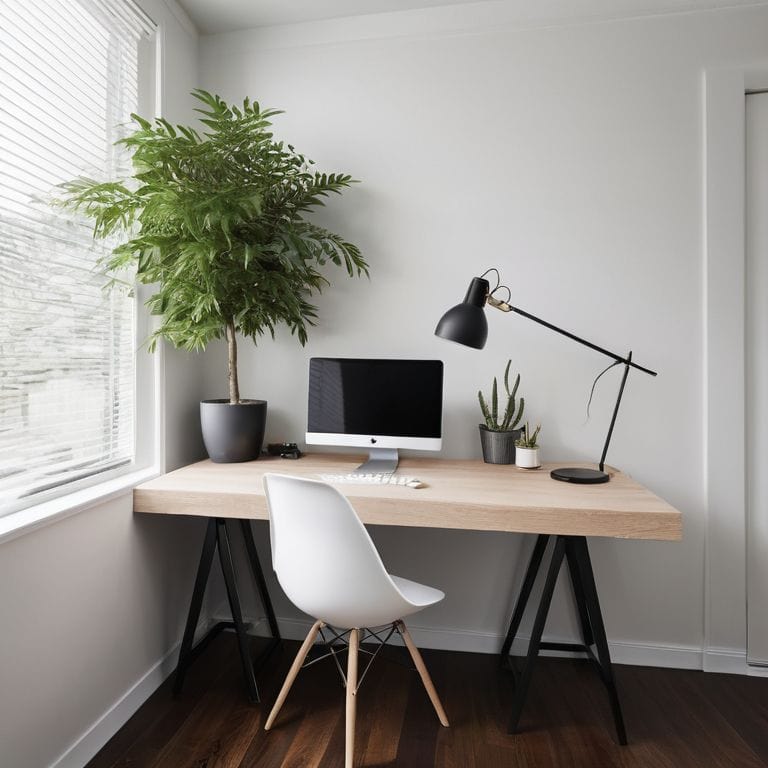
As I reflect on my journey to creating a clutter free workspace, I realize that it’s been a game-changer for my productivity. I used to think that a busy workspace was a sign of a busy mind, but now I know that’s just not true. By implementing a few simple changes, such as investing in noise cancellation techniques and setting up an ergonomic desk setup, I’ve been able to stay focused for longer periods of time.
One of the most important lessons I’ve learned is the importance of minimalist office decor. By keeping my workspace simple and uncluttered, I’m able to avoid visual distractions and stay on task. I’ve also found that using productivity apps for focus can be a huge help in staying on track. These apps allow me to block out distracting websites and schedule breaks, helping me to stay motivated and avoid burnout.
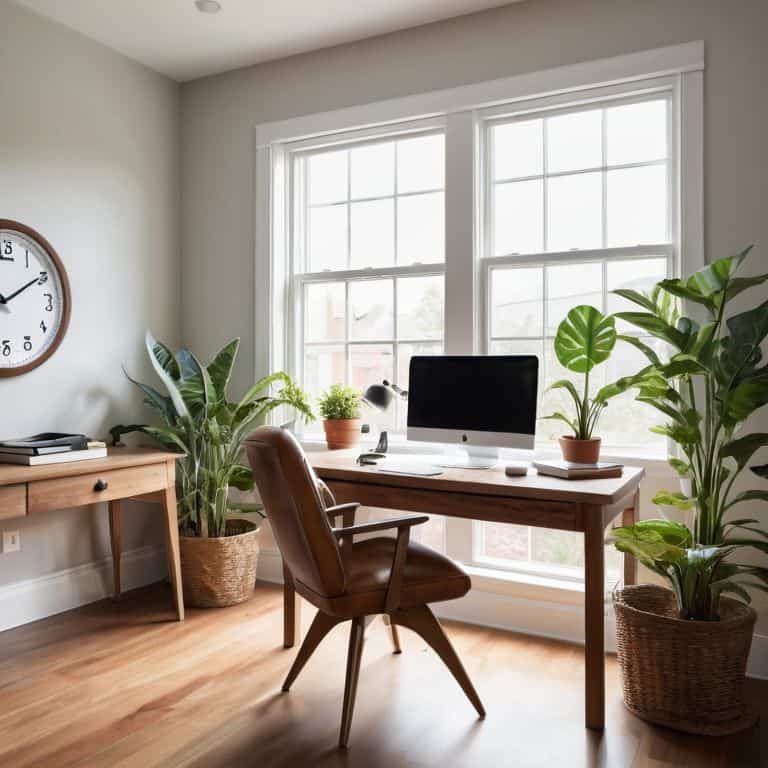
In addition to these tools, I’ve also experimented with different home office lighting ideas to find what works best for me. I’ve found that natural light is essential for staying focused, and I try to position my desk near a window whenever possible. By combining these strategies, I’ve been able to create a workspace that truly supports my productivity and helps me to achieve my goals.
Ergonomic Desk Setup for Flow
As I delved deeper into creating my ideal workspace, I realized the importance of an ergonomic desk setup. It’s not just about aesthetics; it’s about crafting an environment that fosters flow. For me, this meant investing in a standing desk that allows me to switch between sitting and standing throughout the day. I’ve also carefully positioned my monitor, keyboard, and mouse to promote good posture and reduce eye strain. These small adjustments have made a significant difference in my ability to stay focused and work for extended periods without feeling fatigued.
By tailoring my desk setup to my specific needs, I’ve been able to enter a state of flow more easily, where hours feel like minutes. It’s amazing how something as simple as a well-designed workspace can have such a profound impact on productivity and overall well-being.
Minimalist Office Decor for Clarity
As I continued on my journey to a distraction-free workspace, I realized that minimalist office decor played a significant role in maintaining my focus. I ditched the clutter and opted for a clean, monochromatic color scheme that promoted clarity. My desk now features only the essentials: a planner, a pen holder, and my trusty laptop. This simplicity has been a game-changer, allowing me to concentrate on the task at hand without visual distractions.
By embracing minimalism, I’ve created an environment that fosters productivity and calmness. My color-coded calendar and bullet journal are still my favorite tools, but now they’re complemented by a serene backdrop that helps me stay on track. With a clear space, I can tackle even the most complex projects with ease, breaking them down into manageable “sprints” and celebrating each milestone along the way.
5 Essential Elements for a Distraction-Free Sanctuary
- Designate a Specific Workspace: Identify a dedicated area for work, free from household chores and personal activities
- Minimize Digital Distractions: Implement website blockers, silence notifications, and schedule regular breaks to maintain focus
- Optimize Your Environment: Adjust lighting, temperature, and noise levels to create a comfortable and conducive workspace
- Schedule Regular Decluttering Sessions: Maintain a tidy workspace by allocating time for organization and clutter removal
- Establish Boundaries with Others: Communicate your work hours and boundaries with family and friends to ensure uninterrupted focus
Key Takeaways for a Distraction-Free Workspace
By intentionally designing your workspace to minimize clutter and maximize ergonomics, you can significantly reduce distractions and increase productivity
Implementing a minimalist office decor approach and setting up an ergonomic desk can help create an environment that fosters focus and flow
Through a systematic approach to workspace design, you can turn your work area into a tool that supports your goals, rather than a source of stress and distraction
Crafting Serenity
A distraction-free workspace isn’t just about eliminating noise; it’s about creating an environment where every element, from the chair you sit in to the colors on your walls, conspires to bring out the best in you.
Clara Jensen
Embracing the Power of Focus
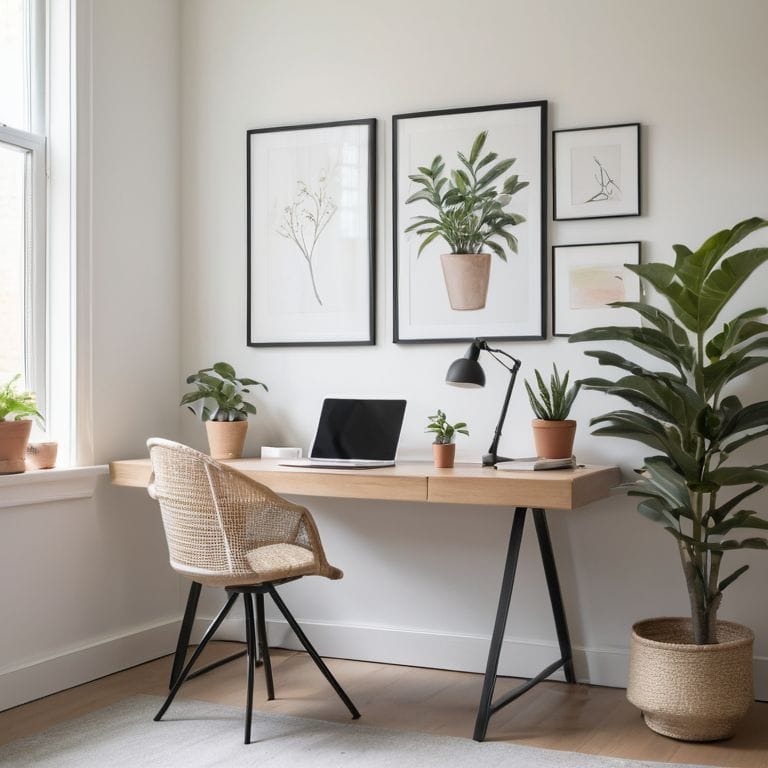
As I reflect on my journey to creating a distraction-free workspace, I’m reminded of the simple yet profound impact it’s had on my productivity and overall well-being. From embracing minimalist office decor to setting up an ergonomic desk, each step has been a deliberate choice to cultivate an environment that fosters focus and clarity. By following the steps outlined in this guide, you too can transform your workspace into a sanctuary that inspires creativity and efficiency. Remember, it’s all about creating a system that works for you, not against you.
So, as you embark on your own path to a distraction-free workspace, I encourage you to stay committed to your vision and celebrate small wins along the way. Don’t be too hard on yourself when you encounter setbacks – instead, learn from your mistakes and use them as opportunities to refine your approach. With persistence and patience, you’ll find that your newfound ability to focus will trickle into other areas of your life, empowering you to achieve your goals and live a more intentional, fulfilling life.
Frequently Asked Questions
How can I minimize digital distractions, such as notifications and social media, while working in my newly set up workspace?
To minimize digital distractions, I implement a “focus sprint” – scheduling specific work intervals with notifications silenced and social media blocked. I use website blockers like Freedom or SelfControl to stay on track, and allocate breaks to check notifications, helping me maintain a healthy work-life balance and maximize productivity in my distraction-free workspace.
What are some strategies for maintaining a clutter-free workspace over time, beyond the initial setup?
To maintain a clutter-free workspace, I schedule regular ‘sprints’ to declutter and organize. I also implement a ‘one in, one out’ policy for new items and use storage solutions to keep essentials within reach. My color-coded calendar reminds me to review and adjust my space every quarter, ensuring it remains a haven for focus and productivity.
Are there any specific lighting or sound considerations I should keep in mind when designing my distraction-free workspace?
For optimal focus, I swear by natural light and a quiet atmosphere. Consider positioning your desk near a window, and invest in a good noise-cancelling headset or play calming background sounds to mask any distractions. I’ve even created a ‘soundtrack for productivity’ playlist to help me stay in flow!