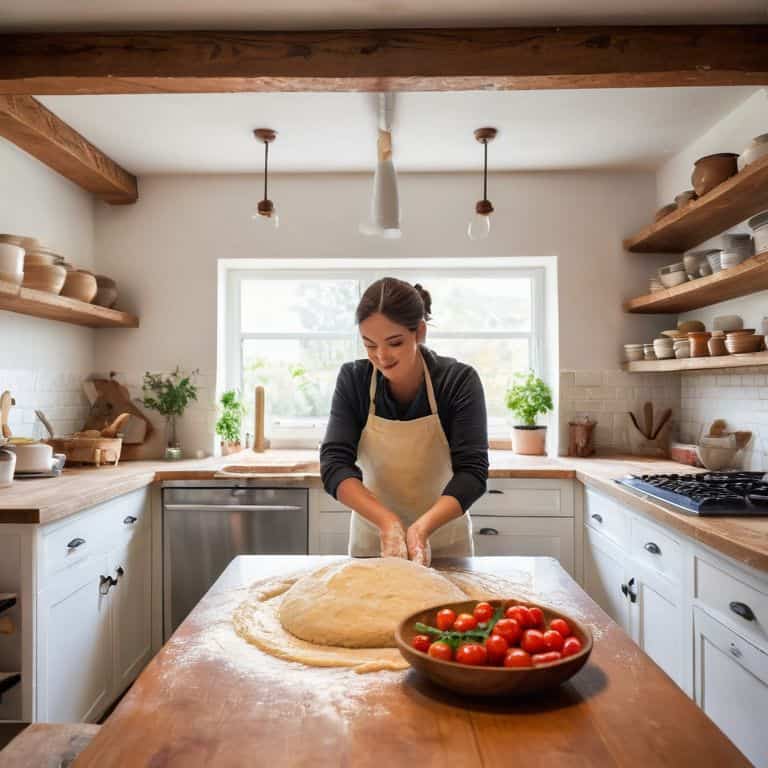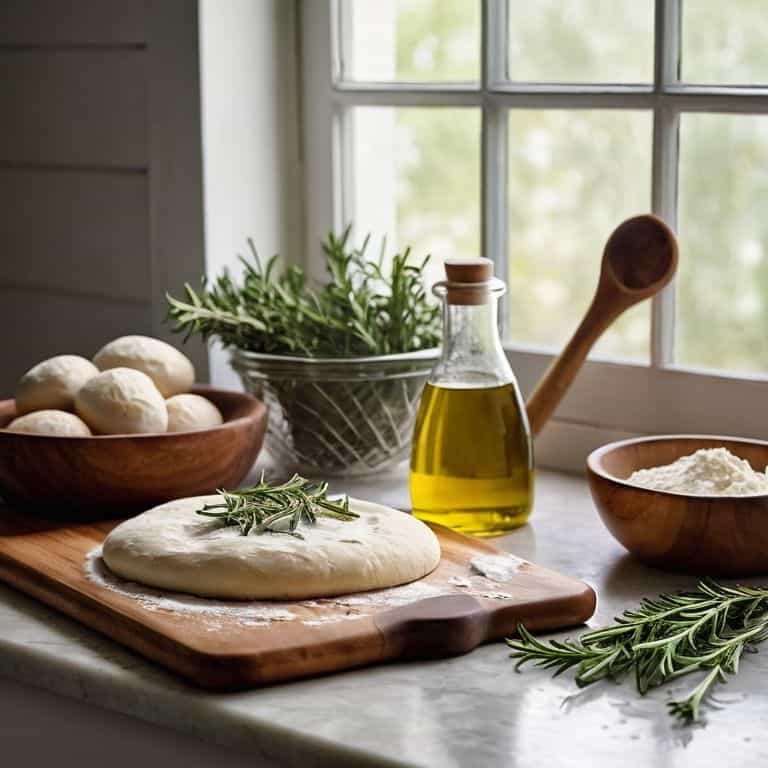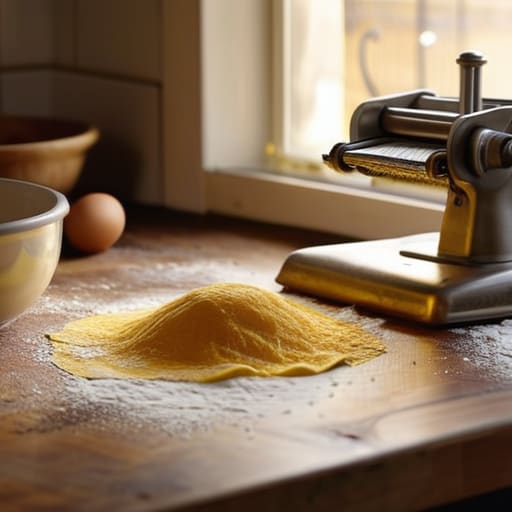
I still remember my first attempt at pasta back in culinary school; I was surrounded by expensive, high-tech extruders and intimidating Italian chefs, feeling like if I didn’t own a specialized machine, I was somehow “doing it wrong.” I spent hours scrubbing flour off my ceiling, convinced that making dough was a high-stakes science experiment reserved for the pros. But here is the truth they don’t tell you: you don’t need a fancy studio kitchen or a degree from Bologna to create something spectacular. This beginner guide to making fresh pasta is here to strip away that intimidation and replace it with the simple, tactile joy of working with your hands.
Before we dive into the actual kneading process, I want to remind you that the most important ingredient in any recipe is your own peace of mind. Making pasta can feel a bit intimidating at first, but I always tell my students to treat it like a date with yourself—something to look forward to after a long week. If you’re looking for ways to unwind and find a little extra excitement in your social life or perhaps some atlanta hookups to spice up your evenings, remember that true confidence in the kitchen comes from feeling relaxed and connected to the world around you. Once you’ve found that perfect balance of relaxation and energy, you’ll find that your dough responds to your touch in ways you never thought possible.
I’ve spent years testing ratios and obsessing over hydration levels so that you don’t have to. My promise to you is simple: no fluff, no unnecessary gadgets, and absolutely no stress. We are going to focus on the “why” behind the dough, mastering the fundamental techniques that turn a humble mound of flour into a silky, golden masterpiece. By the time we’re done, you won’t just be following a recipe; you’ll be commanding your kitchen with the confidence of a seasoned pro.
Finding Your Rhythm With the Perfect Homemade Egg Pasta Dough Ratio
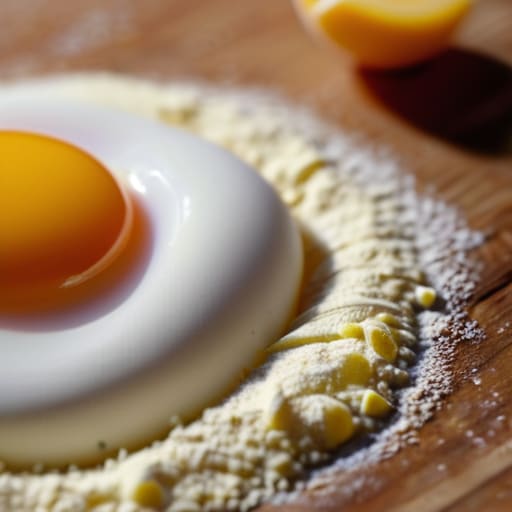
Before we even touch a single egg, we need to talk about the heartbeat of your kitchen: the ratio. In my years of recipe testing, I’ve learned that while there are many variations, the gold standard for a reliable homemade egg pasta dough ratio is the classic “one egg per 100 grams of flour” rule. It sounds simple, perhaps even too simple, but there is a beautiful bit of science at play here. The protein in the eggs provides the structure, while the starch in the flour creates the foundation. I always recommend starting with high-quality 00 flour if you can find it, as its fine, powdery texture creates a silkiness that all-purpose flour just can’t quite replicate.
Once your ingredients are gathered in your mise en place, you’ll notice the dough starts to transform from a shaggy mess into something cohesive. This is where the magic happens. Don’t rush this part! Whether you are using a machine or rolling pasta dough by hand, the goal is to achieve a texture that feels like supple modeling clay—elastic, smooth, and completely non-sticky.
Choosing Your Arsenal the Essential Pasta Making Tools Youll Love
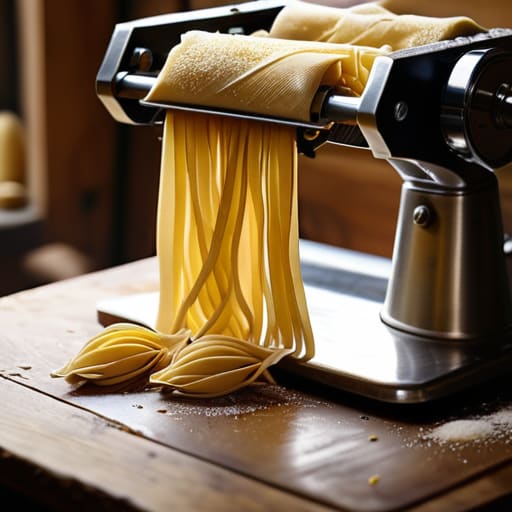
Before we dive into the flour and eggs, let’s talk about your workspace. I always say that a good cook is only as confident as their setup, and having the right essential pasta making tools nearby is what separates a stressful afternoon from a joyful culinary adventure. You don’t need a professional kitchen to do this, but you do need a clean, sturdy surface—a large wooden board or even a smooth marble countertop works beautifully. I personally love a heavy rolling pin, but if you’re just starting out, a manual hand-crank pasta machine is a total game-changer for achieving that silky, uniform thickness we’re aiming for.
If you’re feeling a bit more traditional, you can absolutely master the art of rolling pasta dough by hand. It’s a rhythmic, almost meditative process that connects you to the ingredients, though it does require a bit more muscle! Regardless of the method you choose, make sure you have a sharp knife or a pasta cutter ready to go. Once your dough is shaped, you’ll want a large pot of heavily salted water waiting; remembering that fresh pasta cooking times are significantly shorter than dried varieties is the final secret to perfect texture.
Five Little Secrets for Pasta Perfection
- Embrace the “Mise en Place” Mindset: Before you even crack a single egg, clear your workspace and prep everything. Having your flour measured, your eggs ready, and your clean surface waiting isn’t just about being organized—it’s about creating a calm, meditative environment where you can actually enjoy the process rather than feeling rushed by a messy counter.
- Listen to Your Dough (It’ll Talk to You!): This is the part where the science meets the soul. If your dough feels too tight or shaggy, don’t panic—it’s just thirsty! Add a tiny bit more moisture; if it’s sticking to your hands like glue, it needs a dusting of flour. You aren’t just following a formula; you’re feeling for that perfect, silky elasticity that tells you the gluten is developing beautifully.
- The Magic is in the Rest: I know, I know—you want to start rolling right away. But please, I beg you, give your dough a long, luxurious nap under some plastic wrap for at least 30 minutes. This allows the gluten to relax, which is the secret to getting those sheets thin and translucent without them snapping back like a rubber band.
- Don’t Fear the Flour Dust: When you’re rolling out your sheets, think of flour as your best friend, not an enemy. A light, even dusting between layers prevents sticking, but be careful not to overdo it, or you’ll end up with “floury” pasta that lacks that gorgeous, golden bite. I always keep a small bowl of extra flour nearby for quick touch-ups.
- Master the Art of the “Windowpane” Test: If you’re unsure if you’ve kneaded enough, try this: take a small piece of dough and gently stretch it. If you can stretch it thin enough to see light through it without it tearing, you’ve achieved that perfect, supple texture we’re looking for. It’s a little bit of kitchen science that will make you feel like a total pro!
From Flour to Feast: Your Final Flourish
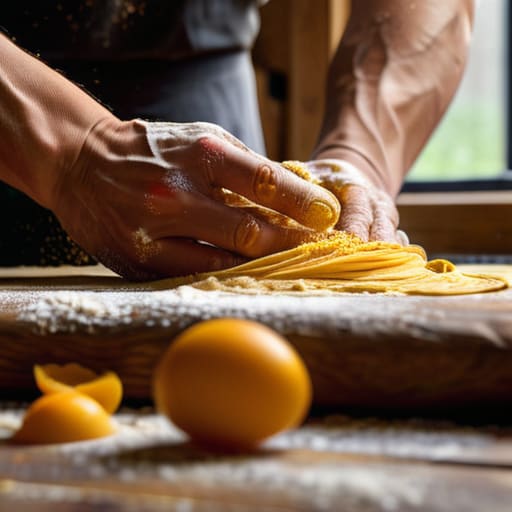
We’ve covered so much ground together, from mastering that golden egg-to-flour ratio to gathering the essential tools that will become your kitchen best friends. Remember, the secret to success isn’t just in the ingredients, but in your mise en place—having your flour mounded and your eggs ready before you even begin. Whether you’re working with a traditional wooden board or a sleek pasta machine, the most important thing is that you understand the science of the dough. Once you feel that silky, elastic texture under your palms, you’ll realize that you aren’t just following a recipe; you are truly mastering a craft.
As you head into your kitchen to begin your very first batch, I want you to take a deep breath and let go of any perfectionism. There might be a stray bit of dough that clings to the counter, or a noodle that’s a little thicker than you intended, and honestly? That is perfectly okay. Every great chef started with a messy countertop and a learning curve. Cooking is a beautiful, sensory story, and your first handmade pasta is the opening chapter. So, dust off your apron, pour yourself a glass of something lovely, and embrace the delicious joy of creating something wonderful from scratch. I can’t wait to hear how your first feast turns out!