I still remember the first time I attempted to bake a cake from scratch – it was a disaster. The cake was as dense as a brick, and I was left wondering what had gone wrong. As I delved deeper into the world of baking, I realized that I wasn’t alone in my struggles. Many of us have fallen victim to common cake baking mistakes to avoid, resulting in disappointing bakes that leave us feeling frustrated and defeated. But what if I told you that these mistakes are not only avoidable but also easy to overcome with the right guidance?
In this article, I’ll be sharing my expertise on how to dodge the most common cake catastrophes and create a masterpiece. You’ll learn the simple yet crucial steps to take your baking to the next level, from measuring ingredients accurately to understanding the importance of mise en place. By the end of this guide, you’ll be equipped with the knowledge and confidence to bake a perfect cake every time, and you’ll understand the why behind each step, not just the how. So, let’s get started on this journey to baking perfection, and say goodbye to those disappointing bakes for good.
Table of Contents
Guide Overview: What You'll Need
Total Time: 1 hour 30 minutes
Estimated Cost: $10 – $30
Difficulty Level: Easy
Tools Required
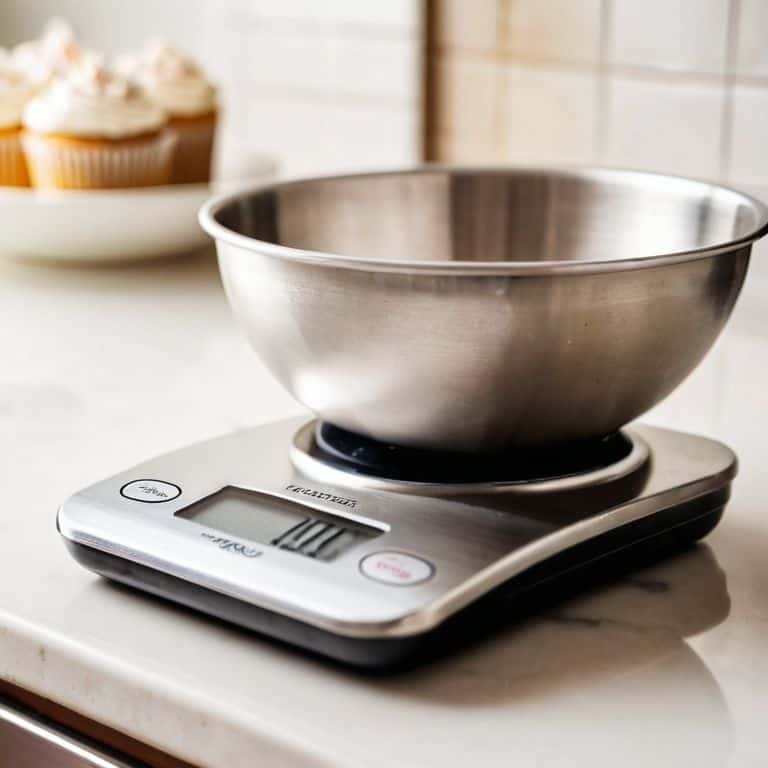
- Digital Scale (for accurate measurements)
- Mixing Bowls (stainless steel or glass)
- Measuring Cups (dry and liquid)
- Electric Mixer (stand or handheld)
- Oven Thermometer (for accurate temperature control)
Supplies & Materials
- All-Purpose Flour (fresh and of good quality)
- Baking Powder (check expiration date)
- Baking Soda (check expiration date)
- Salt (pure and fresh)
- Sugar (granulated or caster)
- Unsalted Butter (at room temperature)
- Large Eggs (at room temperature)
- Pure Vanilla Extract (of good quality)
Step-by-Step Instructions
- 1. First, let’s start with the foundation of a great cake: measuring ingredients accurately. I always say that a well-written recipe is a form of storytelling, and in this story, precision is key. To avoid the common mistake of using incorrect measurements, make sure to use a digital scale and measure each ingredient carefully. Don’t skip this step, as it can make all the difference in the final result.
- 2. Next, it’s essential to understand the role of leavening agents in your cake recipe. Whether you’re using baking powder or baking soda, it’s crucial to know how they work and how much to use. Too little, and your cake might be flat; too much, and it could be too dense. Take the time to read the recipe carefully and don’t be afraid to look up more information if you’re unsure.
- 3. Now, let’s talk about temperature control. This is a critical step that many home bakers overlook. Make sure your ingredients are at room temperature, including eggs, butter, and milk. Cold ingredients can affect the final texture of your cake, making it dense or uneven. Take the eggs out of the fridge about 30 minutes before you start mixing, and let the butter sit at room temperature for a few hours.
- 4. When it comes to mixing the batter, it’s all about technique. Overmixing is a common mistake that can lead to a tough, dense cake. Mix your ingredients just until they come together, then stop mixing. Don’t overbeat the batter, especially when adding the flour and liquid ingredients. Use a gentle folding motion to combine the ingredients, and remember, it’s okay if the batter still looks a bit lumpy.
- 5. Another crucial step is to not overbake your cake. This can be tricky, as every oven is different, and it’s easy to get distracted while waiting for the cake to finish baking. Use a timer and check the cake frequently towards the end of the baking time. A toothpick inserted into the center of the cake should come out clean or with a few moist crumbs. If you’re unsure, it’s always better to err on the side of underbaking than overbaking.
- 6. While your cake is baking, it’s a good idea to prepare your cooling station. This might seem like a minor detail, but it can make a big difference in the final result. Have a wire rack ready to cool your cake, and make sure it’s away from any drafts. This will help the cake cool evenly and prevent it from sinking or becoming misshapen.
- 7. Finally, don’t skip the resting time. Once your cake is completely cool, it’s essential to let it rest for at least 30 minutes before serving. This allows the flavors to meld together, and the cake to become more tender. If you’re planning to frost the cake, make sure to do it after the resting time, as this will help the frosting set properly and prevent it from melting or becoming too runny.
Avoiding Common Cake Baking Mistakes
To ensure your cake turns out light and fluffy, it’s essential to understand the role of leavening agents. These ingredients, such as baking powder or baking soda, help your cake rise by releasing carbon dioxide gas. However, using too much or too little can affect the texture and structure of your cake. I’ve found that precise measurement is key when working with leavening agents.
When it comes to achieving the perfect cake texture, overbaking prevention is crucial. Overbaked cakes can be dry and crumbly, which can be disappointing after all the effort you’ve put in. To avoid this, keep an eye on your cake while it’s baking, and check for doneness frequently. I like to use a combination of visual cues, such as a golden-brown crust, and the toothpick test to ensure my cake is cooked to perfection.
By following these tips and being mindful of your ingredients and baking time, you can create a beautiful and delicious cake that’s sure to impress. Remember, cake storage best practices are also important to maintain the freshness and texture of your cake. Store your cake in an airtight container at room temperature, and it will stay fresh for days. With a little practice and patience, you’ll be a cake-baking pro in no time, and your creations will be the talk of the town.
Mastering Leavening Agents for Perfect Texture
To ensure your cake rises to perfection, it’s essential to understand the role of leavening agents. I like to think of them as the magic makers behind a light and fluffy texture. Leavening agents, such as baking powder and baking soda, release carbon dioxide gas as they react with liquid ingredients, causing the batter to rise. The key is to use the right type and amount of leavening agent for your specific recipe. Too little, and your cake may fall flat; too much, and it can leave a soapy taste.
By mastering leavening agents, you’ll be able to achieve a tender crumb and a beautiful dome on your cakes. Remember, it’s all about balance and precision. I always say, “a pinch too much can be a recipe for disaster,” but with practice and patience, you’ll get the hang of it.
The Secret to Overbaking Prevention
To prevent overbaking, it’s essential to keep a close eye on your cake’s progress. I recommend checking for doneness frequently, especially towards the end of the recommended baking time. A simple toothpick test can be a lifesaver – just insert the toothpick into the center of the cake, and if it comes out clean or with a few moist crumbs, it’s done. Don’t rely solely on the timer; every oven is different, and you want to catch that perfect moment when the cake is cooked through but still tender.
By being mindful of your cake’s baking time and checking on it regularly, you’ll avoid the disappointment of a dry, overcooked cake. Remember, it’s always better to err on the side of caution and take the cake out a minute or two early – you can always bake it a bit longer if needed, but you can’t undo an overbaked cake.
5 Essential Tips to Rescue Your Cake from Common Catastrophes
- Measure Ingredients with Precision: The key to a perfect cake lies in accurate measurements, so ditch the guessing game and invest in a digital scale to ensure your ingredients are measured to the exact gram.
- Don’t Overmix the Batter: Overmixing is a common mistake that can lead to a dense, tough cake. Stop mixing as soon as the ingredients come together in a smooth batter, and then gently fold in any additional ingredients.
- Respect the Leavening Agents: Understand the role of leavening agents like baking powder and baking soda, and use them correctly to achieve the perfect rise and texture in your cake.
- Keep an Eye on the Temperature: Ensure your ingredients are at room temperature before starting, and keep an eye on your oven’s temperature to prevent overbaking or underbaking, which can drastically affect the final result.
- Don’t Open the Oven Door Too Often: Resist the temptation to constantly check on your cake, as this can cause it to sink or not bake evenly. Instead, wait for the recommended baking time and then check for doneness with a toothpick or skewer.
Key Takeaways to Ensure Cake Baking Success
Always prioritize precise measurement and ingredient quality to avoid common cake baking mistakes, ensuring your cake turns out light, fluffy, and full of flavor
Mastering the art of ‘mise en place’ and understanding the science behind leavening agents can make a significant difference in achieving the perfect texture and structure in your cakes
By being mindful of oven temperature and baking time, and implementing simple techniques like the ‘toothpick test’, you can prevent overbaking and guarantee a moist, delicious cake every time
A Word of Wisdom
The art of cake baking is not about being perfect, it’s about being prepared – knowing the pitfalls and taking the time to understand the why behind every step, so you can create a masterpiece that’s truly yours.
Julia Ashwood
The Sweet Spot: Mastering Cake Baking
As we’ve journeyed through the world of cake baking, we’ve uncovered the common pitfalls that can turn a would-be masterpiece into a disappointing dessert. From overbaking to misusing leavening agents, it’s clear that attention to detail is key to creating a truly exceptional cake. By mastering the art of ‘mise en place’, understanding the science behind each step, and being mindful of our ingredients and their roles, we can elevate our baking to new heights. Whether you’re a seasoned pro or just starting out, remembering these essential tips will help you dodge the most common cake catastrophes and create a culinary masterpiece.
So, the next time you step into your kitchen, remember that baking is a journey, not a destination. It’s about the joy of creation, the love of learning, and the thrill of experimentation. Don’t be afraid to try new things, to take risks, and to push the boundaries of what’s possible. With practice, patience, and a willingness to learn from your mistakes, you’ll be well on your way to becoming a cake baking rockstar, and your friends and family will be the lucky beneficiaries of your newfound skills.
Frequently Asked Questions
What are some common mistakes to avoid when measuring ingredients for a cake recipe?
When measuring ingredients, accuracy is key. I always say, ‘measure twice, mix once.’ Don’t skip sifting flour, and make sure to level off dry ingredients. Also, use a digital scale for precise measurements, especially for critical ingredients like baking powder and salt. Trust me, it’s worth the extra minute to get it just right.
How can I ensure I'm using the right type of flour to prevent dense or tough cakes?
To ensure you’re using the right flour, consider the type of cake you’re making. For tender cakes, I recommend using cake flour or pastry flour with a lower protein content. For denser cakes, like pound cakes, all-purpose flour is a better choice. Always check the recipe’s specifications, as the wrong flour can lead to disappointing results.
What are some tips for adjusting baking time and temperature to avoid overcooking or undercooking my cake?
To adjust baking time and temperature, I recommend investing in a reliable oven thermometer and keeping a close eye on your cake’s texture and color. For every 5-10 minutes of baking, do a gentle poke test to check for doneness. Remember, it’s better to err on the side of undercooking than overcooking, as you can always give it a few more minutes if needed.