I still remember the first time I attempted to cook with cast iron – it was a disaster. I had heard about the common cast iron cooking mistakes that can ruin an otherwise perfect dish, but I didn’t think they’d happen to me. Newsflash: they can, and they will, if you’re not careful. The truth is, avoiding common pitfalls is just as important as following a recipe when it comes to cooking with cast iron. It’s not just about tossing some oil in a pan and hoping for the best; it’s about understanding the nuances of this timeless cookware.
As someone who’s spent years perfecting their cast iron skills, I’m here to guide you through the most devious cooking mistakes that can turn your culinary masterpiece into a burnt offering. In this article, I’ll share my personal experiences, as well as practical tips and tricks, to help you navigate the world of cast iron cooking with confidence. You’ll learn how to identify and avoid the common cast iron cooking mistakes that can make all the difference between a delicious, restaurant-quality meal and a disappointing, inedible disaster. By the end of this guide, you’ll be well on your way to becoming a cast iron master, capable of conjuring up flawless, mouth-watering dishes that will impress even the most discerning palates.
Table of Contents
- Guide Overview: What You'll Need
- Step-by-Step Instructions
- Avoiding Common Cast Iron Mistakes
- Staying Out of the Fire: 5 Hard-Learned Lessons to Avoid Common Cast Iron Cooking Mistakes
- Key Takeaways for Cast Iron Cooking
- A Word of Wisdom
- Avoiding the Pitfalls: A Path to Cast Iron Mastery
- Frequently Asked Questions
Guide Overview: What You'll Need
Total Time: 1 hour 15 minutes
Estimated Cost: $0 – $10
Difficulty Level: Easy
Tools Required
- Cast Iron Skillet any size will do
- Oven Mitts for handling hot skillets
- Wooden Spoons for scraping and serving
Supplies & Materials
- Cooking Oil for seasoning cast iron
- Salt for cleaning cast iron
- Water for soaking cast iron
Step-by-Step Instructions
- 1. First, let’s start with the most crucial mistake people make when cooking with cast iron: not properly seasoning the pan. I’ve been guilty of this myself, and it’s a hard lesson to learn. To avoid this, make sure you clean and dry your cast iron pan thoroughly before applying a thin, even layer of cooking oil to the entire surface, including the handle and underside.
- 2. Next, it’s essential to understand the concept of heat control when cooking with cast iron. This means learning to preheat your pan correctly, which involves placing it over medium-high heat for about 10 minutes before adding any food. You can test if the pan is ready by flicking a few drops of water onto the surface – if they sizzle and evaporate quickly, you’re good to go.
- 3. Now, let’s talk about the dos and don’ts of cooking techniques. One common mistake is using metal utensils, which can scratch the cast iron surface. Instead, opt for silicone or wooden utensils to prevent damage. When stirring or flipping food, be gentle and avoid using excessive force, as this can also damage the pan.
- 4. Another critical aspect of cast iron cooking is understanding the importance of patience. It’s easy to get impatient and try to rush the cooking process, but this can lead to undercooked or overcooked food. To avoid this, make sure you plan ahead and allow plenty of time for cooking, especially when preparing complex dishes.
- 5. When it comes to cooking delicate foods like fish or eggs, it’s essential to use the right amount of oil to prevent sticking. I’ve found that using a small amount of clarified butter or avocado oil can work wonders in preventing food from sticking to the pan. Additionally, make sure the pan is at the right temperature before adding the food, as this will help create a nice crust.
- 6. To avoid the mistake of overcrowding the pan, cook food in batches if necessary. This will ensure that each piece of food has enough room to cook evenly and prevent steaming instead of searing. Leave enough space between each piece of food to allow for proper air circulation, which is crucial for achieving that perfect crust.
- 7. Finally, it’s crucial to maintain and clean your cast iron pan regularly to prevent rust and bacterial growth. After each use, simply wipe out any excess food particles with a paper towel and apply a thin layer of oil to the surface. For tougher cleaning jobs, mix equal parts water and white vinegar and bring the solution to a boil in the pan before rinsing and drying thoroughly.
Avoiding Common Cast Iron Mistakes
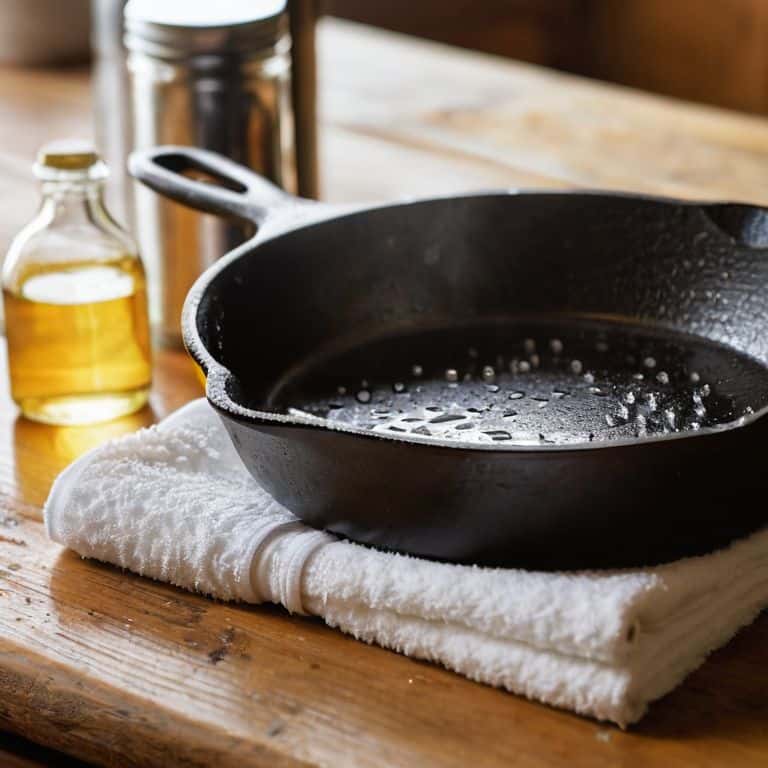
As I delve deeper into the world of cast iron cooking, I’ve come to realize that cast iron skillet maintenance is just as crucial as the cooking process itself. A well-maintained skillet can make all the difference in preventing rust and ensuring a non-stick surface. I’ve learned to clean my skillet immediately after use, avoiding harsh chemicals and opting for a gentle scrub with soap and water instead. This simple step has become a ritual, one that I believe is essential for any cast iron enthusiast.
When it comes to cooking with cast iron, temperature control is key. I’ve found that a gentle heat can help prevent food from sticking, while also ensuring that the skillet heats evenly. This is especially important for beginners, as it can be easy to get caught up in the excitement of cooking with cast iron and accidentally burn your dish. By taking the time to properly preheat your skillet and adjust the heat as needed, you can avoid many common pitfalls and enjoy a perfectly cooked meal.
In my experience, food release techniques for cast iron are often overlooked, but they can make a huge difference in the overall cooking experience. By using a small amount of oil or butter to coat the skillet before adding food, you can create a non-stick surface that makes cooking and cleaning a breeze. This simple trick has become a staple in my cast iron cooking routine, and one that I highly recommend to anyone looking to get the most out of their skillet.
Mastering Cast Iron Skillet Maintenance
To truly master the art of cast iron cooking, one must also understand the importance of maintenance. I’ve found that a well-cared-for skillet is not only a joy to cook with, but it also becomes a trusted companion in the kitchen. Regular seasoning, gentle cleaning, and proper storage are just a few of the habits I’ve developed over the years to keep my cast iron skillets in top condition.
By adopting these simple habits, you’ll be able to prevent rust, maintain a non-stick surface, and ensure your skillet remains a staple in your kitchen for years to come. I’ve learned that it’s all about finding a rhythm and making maintenance a part of your cooking routine, rather than a chore to be dreaded.
Temperature Control for Beginners
As I delved deeper into the world of cast iron cooking, I realized that temperature control is a crucial aspect that can make or break a dish. It’s easy to get carried away with the heat, especially when you’re new to cooking with cast iron. I’ve been there, too – eagerly waiting for my skillet to heat up, only to end up with a burnt offering. The key is to find that sweet spot, where your ingredients are cooked to perfection without being scorched.
For beginners, it’s essential to start with lower heat settings and gradually increase as needed. This will help you develop a sense of how your cast iron skillet responds to different temperatures. Remember, it’s always better to err on the side of caution and adjust as you go, rather than risking a culinary disaster. With practice, you’ll become more comfortable with temperature control, and your cast iron cooking will reach new heights.
Staying Out of the Fire: 5 Hard-Learned Lessons to Avoid Common Cast Iron Cooking Mistakes
- I never seasoned my cast iron skillet properly, and it took me months to realize the rust was not just a minor issue, but a symptom of a larger problem – neglect
- I used to think that cast iron was invincible, but I learned the hard way that metal can warp if heated too quickly or cooled too rapidly, a mistake that left me with a skillet that was more akin to a sad, metal frisbee
- Let me tell you, there’s no worse feeling than watching your beautifully cooked meal go up in flames because you got a bit too aggressive with the heat – it’s a rookie mistake, but one that I’ve made more times than I care to admit
- I’ve lost count of how many times I’ve scrubbed away at a cast iron skillet with harsh chemicals and abrasive sponges, only to realize that I was slowly destroying the very thing I was trying to clean – it’s a painful lesson, but one that has taught me the value of gentle, patient cleaning
- I used to be a slave to recipes, following them to the letter without ever stopping to consider the unique quirks and characteristics of my cast iron skillet – it wasn’t until I started experimenting and listening to my skillet that I truly began to unlock its full potential, and it’s been a wild ride ever since
Key Takeaways for Cast Iron Cooking
I’ve learned that mastering cast iron skillet maintenance is crucial, as it directly impacts the non-stick properties and overall performance of the cookware
Temperature control is another vital aspect, especially for beginners, as it can make or break the cooking experience, and I’ve found that practice makes perfect in this regard
By avoiding common cast iron cooking mistakes, such as improper seasoning, overheating, and using the wrong utensils, you can ensure a long and healthy life for your cast iron cookware, and I’ve seen firsthand the difference it makes in the kitchen
A Word of Wisdom
The true test of a cook isn’t in the recipes they master, but in the mistakes they learn to overcome – and with cast iron, those lessons can be as hard-won as they are invaluable.
Elias Vance
Avoiding the Pitfalls: A Path to Cast Iron Mastery
As I reflect on my journey with cast iron cooking, I’m reminded that mastering the craft is a continuous process. From the initial steps of seasoning and maintenance, to the nuances of temperature control and technique, it’s clear that avoiding common mistakes is crucial to unlocking the full potential of your cast iron skillet. By embracing the learning curve and being mindful of the pitfalls, you’ll be well on your way to creating delicious, restaurant-quality dishes that will leave your friends and family in awe.
So, as you embark on your own cast iron journey, remember that the true beauty of cooking lies not in the destination, but in the story of the process. Don’t be discouraged by the inevitable setbacks and mistakes – instead, use them as opportunities to learn and grow. With patience, practice, and a willingness to experiment, you’ll find that the rewards of cast iron cooking far outweigh the challenges, and that the joy of creation is just a skillet away.
Frequently Asked Questions
What are the most common mistakes people make when seasoning a cast iron skillet?
I’ve seen folks apply seasoning unevenly or use too much oil, leading to a sticky mess. Others forget to bake the skillet after applying seasoning, or they don’t repeat the process enough times to build up a robust non-stick surface.
How can I prevent rust from forming on my cast iron cookware?
To prevent rust from forming on your cast iron cookware, I swear by a simple yet effective routine: after each use, clean and dry the skillet thoroughly, then apply a thin layer of cooking oil to the surface. This will create a barrier that repels moisture and keeps your cast iron in top condition, just like I do with my vintage audio equipment – meticulous care is key.
What are some common errors to avoid when cooking with cast iron at high temperatures?
I’ve found that one of the most treacherous pitfalls is overheating, which can lead to a nasty bout of warping or even cracking. To avoid this, I always keep a watchful eye on the temperature, never exceeding medium-high heat, and preheat gradually to prevent thermal shock. It’s a delicate dance, but trust me, it’s worth it.