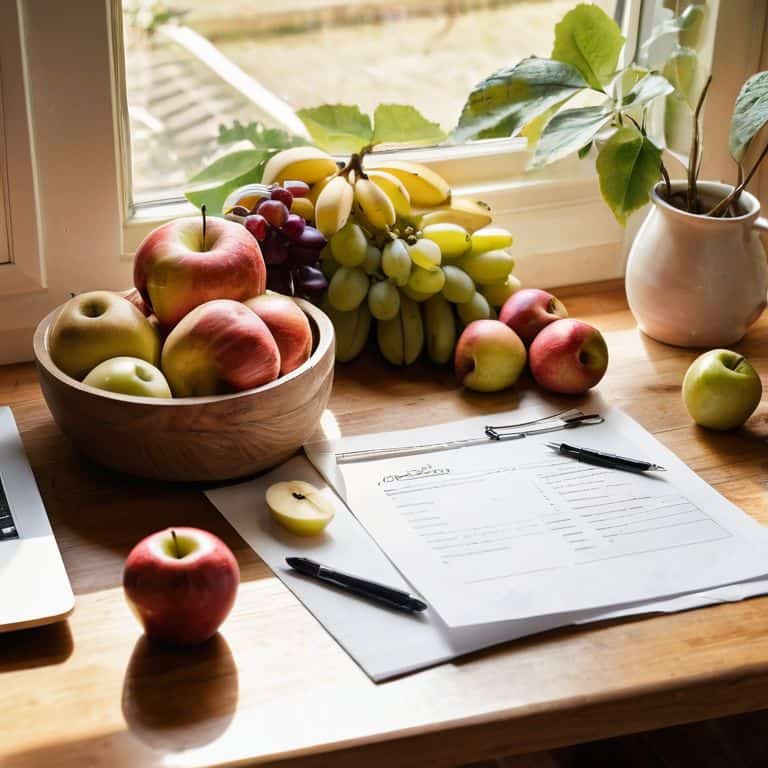
I still remember the Sunday evenings I used to spend stressing over how to create a healthy grocery list, only to end up throwing a bunch of random items into my shopping cart. It was like I was trying to solve a puzzle without the right pieces. The common myth that creating a healthy grocery list is all about following a strict diet or spending hours researching the latest superfoods is just that – a myth. In reality, it’s about understanding your body’s needs and making intentional choices that nourish your mind, body, and soul. As someone who’s passionate about lifestyle design, I’ve learned that creating a healthy grocery list is not just about food, it’s about creating a system that works for you.
In this article, I’ll share my personal story of how I transformed my grocery shopping experience by applying project management principles to my daily life. You’ll learn practical tips on how to create a healthy grocery list that actually works for you, not against you. I’ll walk you through my step-by-step process, from identifying your dietary needs to meal planning and budgeting. By the end of this guide, you’ll be equipped with the knowledge and tools to create a healthy grocery list that aligns with your lifestyle and goals, making healthy eating a sustainable and enjoyable experience.
Table of Contents
Guide Overview: What You'll Need

Total Time: 30 minutes to 1 hour
Estimated Cost: $0 – $10
Difficulty Level: Easy
Tools Required
- Pen for writing
- Paper for noting down the list
Supplies & Materials
- Healthy Food Guides optional, for reference
- Computer or Smartphone for accessing healthy recipes and tips online
Step-by-Step Instructions
- 1. First, let’s start by assessing our dietary needs, which includes considering any allergies, intolerances, or preferences we may have. I like to make a list of the foods I need to avoid and the ones I love to eat, and then use that as a foundation for my grocery list. This helps me stay focused on what’s truly important – fueling my body with the right foods.
- 2. Next, I recommend planning your meals for the week ahead of time. This can be as simple as deciding on a few breakfast options, packing lunches, and choosing a couple of dinner recipes. Having a clear idea of what you’re going to eat helps you avoid last-minute takeout or fast food runs, which can quickly derail even the best-laid plans. I like to use a bullet journal to sketch out my meal ideas and make notes on any ingredients I need to pick up.
- 3. Now it’s time to make a master list of the ingredients you need for your planned meals. I find it helpful to categorize my list by store section – produce, dairy, meats, etc. – to make shopping more efficient. Don’t forget to include any pantry staples you may be running low on, like olive oil or spices. I also like to keep a running list on my phone of items I need to restock, so I can quickly add them to my master list when it’s time to shop.
- 4. Once you have your master list, it’s time to check what you already have at home. I like to do a quick pantry and fridge audit to see what ingredients I can cross off my list. This helps reduce food waste and saves me money in the long run. Plus, it’s a great opportunity to get creative with any ingredients that are nearing their expiration dates.
- 5. With your list in hand, it’s time to head to the store. I recommend shopping the perimeter of the store first, where the fresh produce, meats, and dairy products are typically located. These are often the healthiest and most perishable items on your list, so it’s best to get them out of the way first. From there, you can work your way through the aisles, checking off items as you go.
- 6. As you’re shopping, be sure to read labels carefully. I like to look for keywords like “low sodium” or “high fiber” to help me make informed choices. It’s also a good idea to check the ingredient list for any additives or preservatives you may want to avoid. Don’t be afraid to put something back on the shelf if it doesn’t meet your standards – remember, you’re in control of what you’re putting in your body.
- 7. Finally, once you’ve finished shopping, take some time to prep your ingredients for the week ahead. This can be as simple as washing and chopping your produce, or as involved as cooking a big batch of rice or quinoa. Having healthy ingredients ready to go can make all the difference in sticking to your meal plan and avoiding last-minute temptations. I like to set aside some time on the weekends to do a big prep session, which helps me feel more in control and prepared for the week ahead.
Creating Healthy Lists
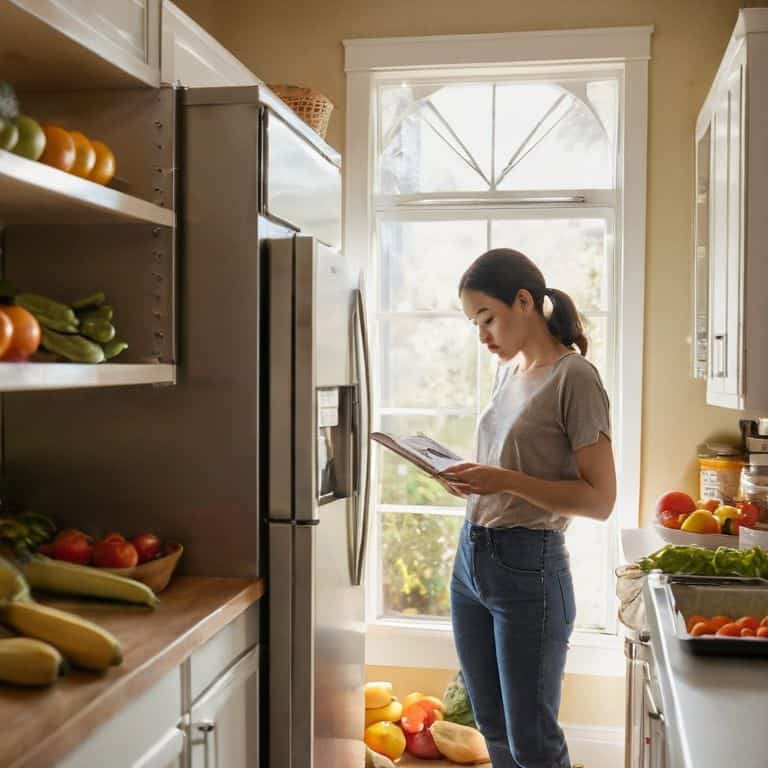
As I delve into the world of healthy grocery shopping tips, I’ve come to realize that it’s not just about throwing a bunch of fruits and veggies into your cart. It’s about being intentional with your purchases, considering your dietary needs, and meal planning for beginners. For me, it starts with taking stock of what I already have at home, reducing the likelihood of reducing food waste at home. I make a point to check my pantry, fridge, and freezer before heading out to shop, ensuring I don’t buy duplicates of items I already have.
When it comes to budget friendly pantry staples, I swear by buying in bulk and planning my meals around seasonal produce for healthy eating. Not only does it help reduce costs, but it also ensures that I’m getting the freshest ingredients possible. I love scouring my local farmer’s market for inspiration, and then planning my meals around what’s in season. It’s amazing how much of a difference it can make in the flavor and nutritional value of your dishes.
To take my grocery list to the next level, I’ve started implementing grocery list organization ideas that make sense for my lifestyle. I categorize my list by store section, making it easier to navigate the aisles and stick to my plan. It’s all about finding a system that works for you and making healthy eating a sustainable part of your routine. By being more mindful of my grocery shopping habits, I’ve been able to make healthier choices and reduce my environmental impact.
Meal Planning for Real People
When it comes to meal planning, I like to think of it as a sprint towards a healthier, more organized me. I start by planning out my meals for the week, taking into account my schedule, dietary needs, and the ingredients I already have on hand. This helps me create a grocery list that’s tailored to my needs, rather than just grabbing whatever looks good at the store.
I break down my meal planning into manageable chunks, focusing on one week at a time. I make a list of breakfast, lunch, and dinner ideas, and then identify the ingredients I need to make each dish. This approach helps me avoid food waste and ensures that I’m only buying what I need. By planning my meals in advance, I can also make sure I’m getting a balanced mix of nutrients and flavors throughout the week.
Seasonal Produce for Less Waste
To make the most of your grocery list and reduce waste, consider incorporating seasonal produce. This approach not only ensures freshness but also supports local farmers and helps you stay within budget. I like to plan my meals around what’s in season, using online resources or farmer’s market visits to guide my shopping. By doing so, I’ve noticed a significant reduction in food waste and an increase in the variety of nutrients my family consumes.
I break down my seasonal produce planning into manageable ‘sprints’, focusing on one or two new ingredients each week. This helps me stay on track and get creative with recipes, all while keeping my grocery list organized and my meals exciting.
5 Essential Tips to Supercharge Your Healthy Grocery List
- Start with a clear understanding of your dietary needs and preferences, considering any allergies or restrictions to ensure your list is tailored to your unique requirements
- Plan your meals for the week ahead, including breakfast, lunch, dinner, and snacks, to avoid last-minute takeouts or unhealthy impulse buys
- Shop the seasons by incorporating fresh, locally sourced produce into your list to reduce waste, support local farmers, and enjoy the best flavors and textures
- Organize your list into categories, such as produce, proteins, and whole grains, to make navigation of the store more efficient and help you stick to your plan
- Review and adjust your list regularly, taking into account sales, new recipes, and changing dietary needs, to keep your grocery shopping experience fresh, exciting, and aligned with your health goals
Key Takeaways for a Healthy Grocery List
By applying project management principles to your grocery shopping, you can create a list that’s tailored to your dietary needs and preferences, reducing food waste and saving you time
Meal planning and incorporating seasonal produce into your list can help you eat healthier, save money, and support local farmers, making healthy eating a sustainable and enjoyable experience
Remember, crafting a healthy grocery list is not about following a one-size-fits-all approach, but about designing a system that works for you and your lifestyle, so don’t be afraid to experiment and make adjustments as needed
Nourishing Wisdom
A healthy grocery list is not just about filling your fridge, it’s about fueling your life – it’s a reflection of your values, your goals, and your vision for a vibrant you.
Clara Jensen
Putting it All Together: Your Path to a Healthier You
As we’ve walked through the steps to create a healthy grocery list, remember that it’s all about finding a rhythm that works for you. We’ve discussed the importance of meal planning, incorporating seasonal produce, and making conscious choices about the foods we bring into our homes. By applying these principles, you’ll not only be cultivating healthier eating habits but also reducing waste and saving money. It’s about making intentional decisions that align with your values and goals, whether that means cooking at home more often or simply feeling more in control of your food choices.
As you move forward, I want to leave you with a final thought: your health is a project worth managing. Just as a well-planned party or a meticulously organized trip can bring joy and a sense of accomplishment, so too can the journey towards a healthier, more balanced you. By breaking down your goals into manageable sprints and celebrating each milestone along the way, you’ll find that creating a healthy grocery list is just the beginning of a larger journey towards wellness and fulfillment. So, go ahead, take the first step, and watch how the ripple effects of positive change can transform your life.
Frequently Asked Questions
How do I determine the best portion sizes for my family when planning a healthy grocery list?
To determine the best portion sizes for my family, I use a simple ‘sprint’ method: tracking our meals for a week to see what we actually eat. I then break it down into manageable ‘milestones’ – like servings per person per meal – and adjust from there, using my trusty color-coded calendar to stay on track.
What are some strategies for avoiding food waste when buying perishable items in bulk?
To avoid food waste when buying perishable items in bulk, I swear by my ‘First-In-First-Out’ inventory system. I label and date everything, and make sure to use the oldest items first. It’s all about visibility and planning – I even have a ‘Use By’ spreadsheet to keep me on track!
Can you provide tips for incorporating dietary restrictions, such as gluten-free or vegan, into my healthy grocery list?
When it comes to dietary restrictions, I’m all about simplicity. For gluten-free or vegan options, I create a separate ‘sprint’ in my meal planning process, dedicating a few days to researching and listing out compliant foods. I also color-code my grocery list to categorize restricted items, making it a breeze to shop and stay on track.