
I still remember the day I discovered the power of a guide to using a habit tracker. I was drowning in a sea of to-do lists and broken resolutions, feeling like I was stuck in a never-ending cycle of procrastination. But then I stumbled upon a simple yet profound truth: tracking my habits wasn’t just about monitoring my progress, but about creating a system that would help me build better habits. It was a game-changer for me, and I’m excited to share my journey with you.
In this article, I’ll give you a no-nonsense guide on how to use a habit tracker to achieve your goals. You’ll learn how to set up a tracker that works for you, how to identify the habits that are holding you back, and how to create a system that will help you stay on track. I’ll share my personal tips and tricks, as well as some practical advice on how to make habit tracking a sustainable part of your daily routine. By the end of this article, you’ll have a clear understanding of how to use a habit tracker to take control of your habits and achieve your goals.
Table of Contents
Guide Overview: What You'll Need

Total Time: 30 minutes to 1 hour
Estimated Cost: $0 – $10
Difficulty Level: Easy
Tools Required
- Pen (or pencil)
- Eraser (optional)
Supplies & Materials
- Paper or Digital Notebook for tracking habits
- Calendar or Planner (optional)
Step-by-Step Instructions
- 1. First, choose a habit tracker that works for you – it could be a physical notebook, a mobile app, or even a spreadsheet. I personally use a combination of a bullet journal and a habit tracking app on my phone, as I find that having both a digital and physical record helps me stay on top of my habits. When selecting a tracker, consider what features are most important to you, such as reminders, customizable templates, or the ability to track multiple habits at once.
- 2. Next, identify the habits you want to track and why they’re important to you. This could be anything from exercise or meditation to reading or learning a new language. Be specific about what you want to achieve, and try to focus on a manageable number of habits to start with – I usually recommend tracking no more than 5-7 habits at a time to avoid feeling overwhelmed.
- 3. Now it’s time to set up your tracker. If you’re using a physical notebook, create a template or layout that works for you, with space to record each habit and the date. If you’re using an app, explore the different settings and features to customize your experience. I like to use a color-coding system to differentiate between different types of habits, such as work-related tasks, self-care activities, and personal projects.
- 4. Each day, take a few minutes to review and update your tracker. Check off each habit as you complete it, and make note of any challenges or obstacles you faced. This is also a good opportunity to reflect on your progress and adjust your habits as needed. I find that taking a few minutes each evening to review my tracker helps me stay accountable and motivated to continue working towards my goals.
- 5. As you track your habits over time, look for patterns and trends. Are there certain days or times of day when you struggle to stick to your habits? Are there particular habits that you consistently struggle with, or ones that you find easy to maintain? Identifying these patterns can help you refine your approach and make adjustments to your habits or your tracking system as needed.
- 6. To make the most of your habit tracker, establish a regular review process. This could be daily, weekly, or monthly, depending on your needs and preferences. Use this time to reflect on your progress, celebrate your successes, and identify areas for improvement. I like to schedule a monthly review into my calendar, where I take a closer look at my habits and make any necessary adjustments to stay on track.
- 7. Finally, don’t be too hard on yourself if you miss a day or two – or even a week. The key to successful habit tracking is consistency and patience, not perfection. Remember that it’s okay to make mistakes and that every small step counts. If you find that you’ve fallen off track, simply acknowledge the setback and get back to tracking as soon as possible. With time and practice, you’ll find that using a habit tracker becomes second nature, and you’ll be amazed at the progress you can make towards your goals.
Raw Guide to Habit Tracking
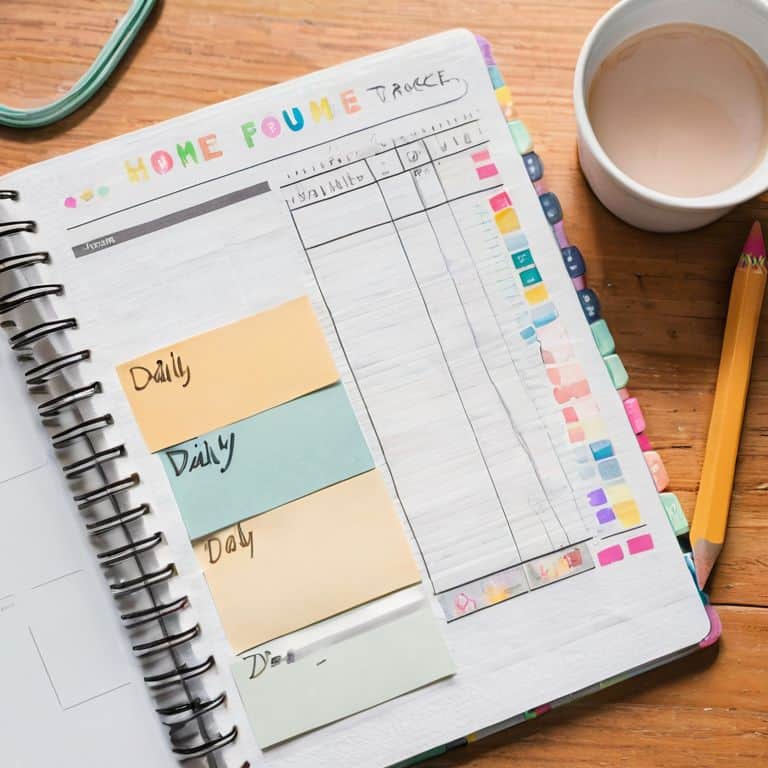
As I delved deeper into the world of habit tracking, I discovered the importance of creating a daily routine template that works for me. This involved trial and error, but ultimately, it helped me establish a sense of structure and normalcy in my daily life. I also found that using stickers for motivation can be a fun and engaging way to track my progress and stay committed to my goals.
One of the most significant benefits I’ve experienced from habit tracking is the ability to maintain consistency with reminders. By setting regular reminders, I’m able to stay on track and ensure that I’m completing my daily tasks and habits. I’ve also explored the benefits of digital habit tracking, which has allowed me to access my habit tracker from anywhere and receive notifications to help me stay on track.
In addition to these tips, I’ve also learned the value of customizing a habit tracker for mental health. By incorporating specific habits and activities that support my mental well-being, I’m able to prioritize my self-care and make progress towards my goals. Whether it’s through a habit tracker spreadsheet tutorial or a simple notebook, the key is to find a system that works for you and stick to it.
Creating Daily Routine Templates
To take my habit tracking to the next level, I started creating daily routine templates. I broke down my day into manageable chunks, assigning specific tasks to each time slot. This helped me prioritize my goals and ensure I was making progress on my most important objectives. I used a combination of my bullet journal and digital calendar to create a system that worked for me.
I tailored my templates to fit my unique needs and schedule. For example, I have a morning routine template that includes time blocks for meditation, journaling, and exercise. Having a clear plan in place has been a total game-changer for my productivity and stress levels.
Digital Tracking for Mental Health
For me, digital tracking has been a lifesaver when it comes to managing my mental health. I use a habit tracker app to monitor my mood, sleep patterns, and stress levels. It’s amazing how seeing the data can help me identify patterns and make changes to improve my well-being. I’ve set up custom trackers for anxiety, self-care, and meditation, which has helped me stay on top of my mental health.
By tracking my mental health digitally, I’ve been able to recognize triggers and take proactive steps to manage them. It’s empowered me to take control of my mental well-being and make data-driven decisions to support my self-care routine.
5 Habits to Track for a More Organized You
- Set clear and achievable goals for each habit you want to track, breaking them down into smaller, manageable tasks
- Choose a habit tracking method that works for you, whether it’s a physical planner, a mobile app, or a spreadsheet
- Start small by tracking just a few habits at a time, and gradually add more as you become more comfortable with the process
- Make tracking a habit by incorporating it into your daily routine, such as right after waking up or before bed
- Review and adjust your habit tracker regularly to reflect changes in your goals and priorities, and to celebrate your progress and successes
Key Takeaways for Mastering Habit Tracking
I’ve learned that habit trackers are most effective when they’re tailored to my individual needs and goals, allowing me to focus on the habits that truly matter to me
By combining digital tracking tools with my trusty bullet journal, I’ve found a system that works seamlessly for my mental health and daily routine management
Remember, the key to making habit tracking a sustainable part of your life is to start small, be consistent, and regularly review your progress to make adjustments and celebrate your victories
Tracking Your Way to Success
A habit tracker is more than just a tool – it’s a mirror to your soul, reflecting the habits that make or break your dreams, and I’m living proof that with the right system, you can turn even the smallest habits into life-changing milestones.
Clara Jensen
Putting it All Together: Mastering Your Habit Tracker

As we’ve journeyed through this guide to using a habit tracker, we’ve covered the essential steps to create a system that works for you. From setting up your tracker to creating daily routine templates and leveraging digital tracking for mental health, it’s clear that the key to success lies in consistency and personalization. By tailoring your habit tracker to your unique needs and goals, you’ll be better equipped to stay on track and make meaningful progress. Whether you’re looking to boost productivity, improve your mental wellbeing, or simply feel more in control, a well-designed habit tracker can be a powerful tool in your arsenal.
As you move forward with your habit tracker, remember that it’s a flexible framework, not a rigid rulebook. Don’t be afraid to experiment, adjust, and refine your approach as needed. With time and practice, you’ll find that tracking your habits becomes second nature, and the insights you gain will be invaluable in helping you achieve your goals. So, take a deep breath, stay committed, and watch your life transform in amazing ways – one tracked habit at a time.
Frequently Asked Questions
How do I choose the right habit tracker for my specific needs and preferences?
For me, choosing the right habit tracker is all about identifying my goals and preferences. I consider what habits I want to track, whether I prefer digital or physical, and what features are must-haves – like reminders or customization options. I’ve tried a few, but my favorite is still my bullet journal, it’s so versatile and personalized to my needs.
What are some common mistakes to avoid when setting up and using a habit tracker?
When setting up my own habit tracker, I’ve learned to avoid being too ambitious – don’t try to track every single habit at once! Start small, focus on 2-3 key habits, and be realistic about your goals. Also, don’t forget to review and adjust your tracker regularly to avoid stagnation.
How can I ensure I stick to my habit tracking routine and make it a sustainable part of my daily life?
To make habit tracking stick, I schedule it into my daily planner and set reminders. I also review my progress weekly, celebrating small wins and adjusting my routine as needed. This reflection helps me stay motivated and ensures habit tracking becomes a sustainable part of my daily life.