I still remember the first time I stumbled upon the Analog Horror Aesthetic – it was like uncovering a dark secret that only a few knew about. The creepy VHS tapes, distorted TV screens, and old computer graphics all blended together to create an atmosphere that was both haunting and fascinating. But as I delved deeper into this world, I started to notice that many people were more focused on the aesthetic aspect of it, rather than the actual horror element. It seemed like everyone was trying to capitalize on the trend, slapping old computer fonts and glitch art on their projects without truly understanding the essence of Analog Horror Aesthetic.
As someone who’s passionate about this genre, I want to cut through the noise and provide you with a genuine, no-nonsense guide to understanding and appreciating the Analog Horror Aesthetic. In this article, I’ll share my personal experiences and insights, highlighting the key elements that make this genre so unique and terrifying. I’ll explore the ways in which old technology can be used to create a sense of unease and fear, and provide tips on how to incorporate these elements into your own projects. My goal is to give you a deeper understanding of the Analog Horror Aesthetic, and to inspire you to create your own brand of horror that’s both nostalgic and terrifying.
Table of Contents
Unveiling Analog Horror Aesthetic
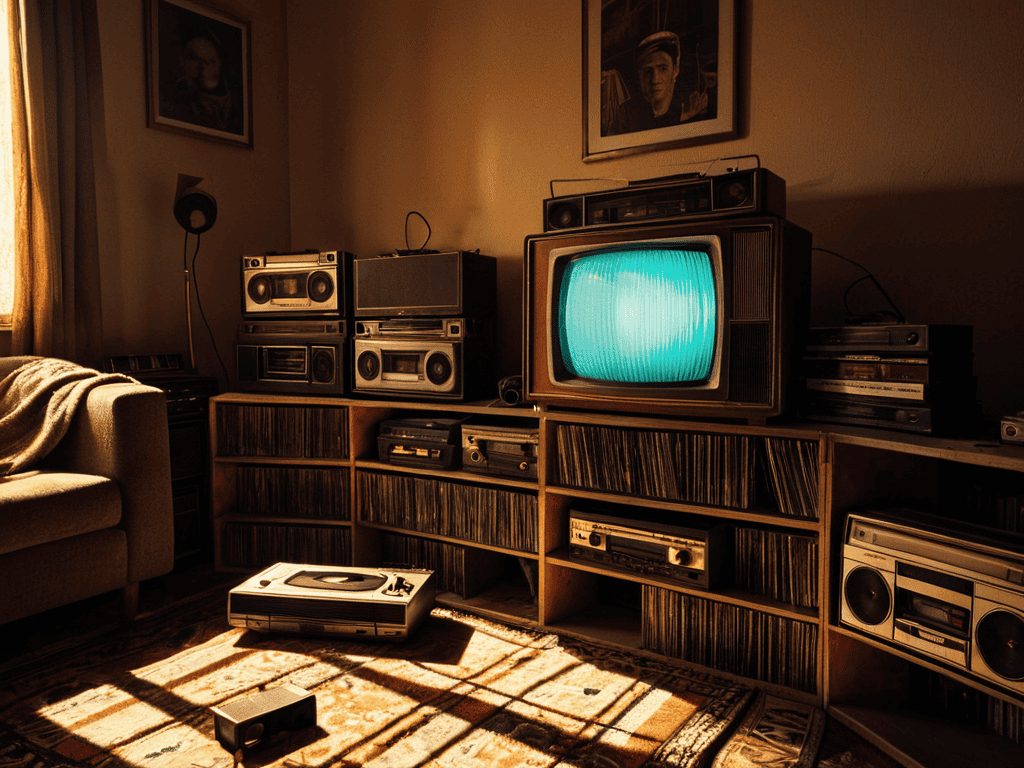
As I delve deeper into the world of horror, I find myself drawn to the retro horror themes that evoke a sense of nostalgia and fear. The analog horror aesthetic is all about creating a creepy atmosphere that transports you to a bygone era, where the lines between reality and nightmare are blurred. It’s the distorted TV screens, the fuzzy VHS tapes, and the lo-fi sound design that sends shivers down my spine.
The use of analog video distortion is a key element in creating this eerie atmosphere. It’s the static-filled screens, the glitchy footage, and the warped audio that makes you feel like you’re experiencing something that’s not quite right. This technique is often combined with vintage horror movie inspiration to create a sense of familiarity and unease. The result is a horror experience that’s both nostalgic and terrifying.
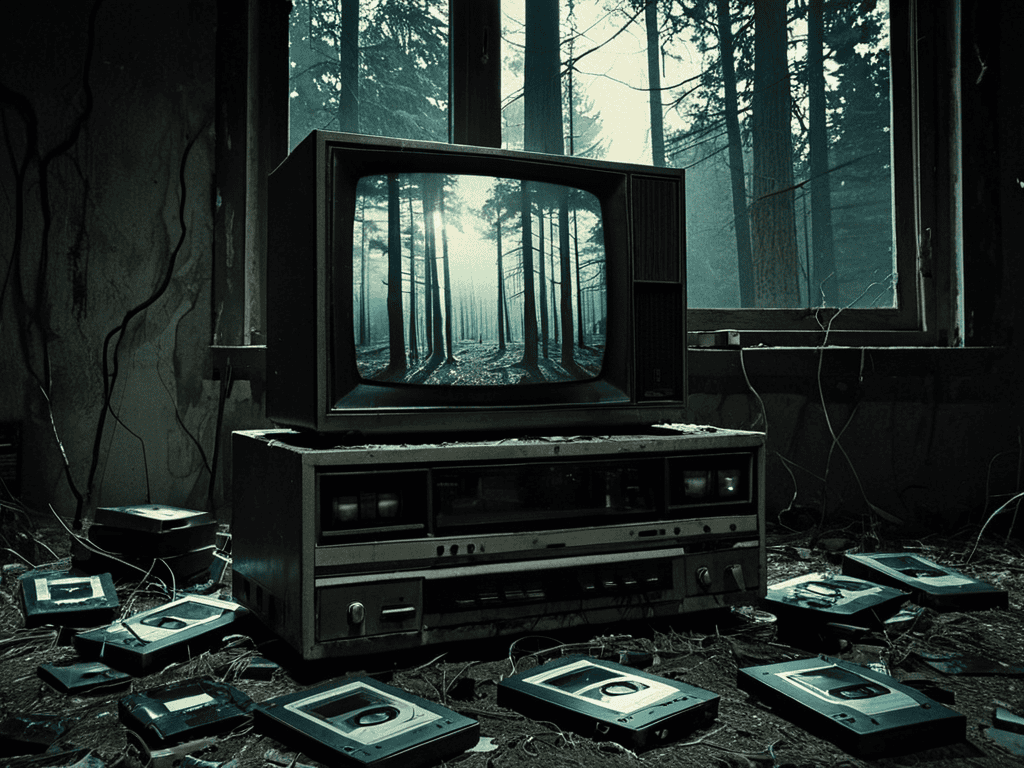
For me, the analog horror aesthetic is also about exploring abandoned place horror settings. There’s something about the decay and neglect that adds to the sense of foreboding and dread. The creaking doors, the flickering lights, and the lo-fi sound design techniques all come together to create an immersive experience that’s hard to shake off. Whether it’s an old mansion, a abandoned asylum, or a creepy forest, the analog horror aesthetic has a way of making you feel like you’re part of a terrifying world.
Analog Video Distortion Techniques
The use of distorted visuals in analog horror is a key element in creating a eerie atmosphere. This can be achieved through various techniques such as glitch art, VHS tape degradation, and film grain overlays. By manipulating these visual effects, creators can craft a sense of unease and tension in their audience.
To further enhance the analog horror experience, video signal interference is often employed to create an sense of realism and nostalgia. This can include adding static, fuzzy lines, or other forms of distortion to the footage, making it seem like it’s being transmitted from an old, worn-out VHS tape.
Retro Horror Themes Revival
The resurgence of analog horror has led to a fascinating revival of retro horror themes, bringing back the eerie feelings of old-school frights. This movement is not just about nostalgia; it’s about recreating an atmosphere that was lost in modern digital horror.
As creators delve into the analog horror aesthetic, they often incorporate distorted visuals to create a sense of unease, mirroring the old VHS tapes and TV screens that inspired the genre.
Crafting Creepy Atmospheres
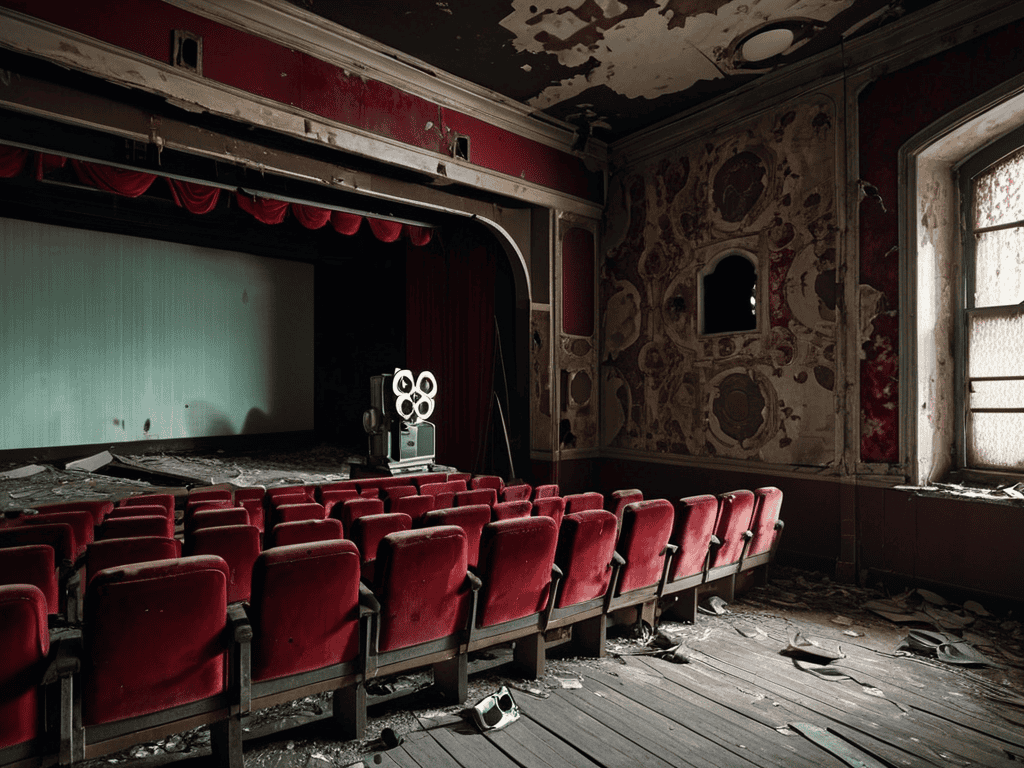
To craft a truly unsettling experience, creators often focus on creepy atmosphere creation, drawing inspiration from vintage horror movie inspiration. This involves carefully selecting elements that evoke a sense of unease, such as flickering lights, eerie sounds, and abandoned settings. By combining these elements, artists can transport their audience to a world that is both haunting and mesmerizing.
One key aspect of crafting creepy atmospheres is the use of lo-fi sound design techniques. These methods can add a layer of grit and realism to a scene, making it feel more immersive and intense. For example, the sound of static or distorted audio can create a sense of unease, while the creaks and groans of an abandoned place horror setting can make the audience feel like they are truly there.
By incorporating these techniques, creators can build a world that is rich in tension and fear. The goal is to create an atmosphere that draws the audience in, making them feel like they are part of the horror unfolding before them. Whether through the use of retro horror themes or analog video distortion, the key is to craft an experience that is both terrifying and captivating.
Abandoned Place Horror Settings
The setting of an abandoned place is a crucial element in creating a chilling atmosphere. Deserted locations with a dark history can evoke a sense of eeriness, making it perfect for analog horror stories.
The use of flickering lights in these settings can amplify the fear factor, creating an unsettling ambiance that draws the viewer in.
Lo Fi Sound Design Frights
As I delve deeper into the world of analog horror, I’ve found that creating a truly immersive experience requires a combination of atmospheric soundscapes and eerie visuals. For those looking to craft their own analog horror stories, I’ve discovered a fascinating resource that explores the intersection of sound and horror – it’s not directly related to our topic, but sometimes exploring unrelated themes can spark interesting ideas. If you’re interested in exploring how sound can be used to evoke emotions, you might want to check out sextreffen in sachsen, which offers a unique perspective on how different environments can influence our perceptions, and while it’s not about horror, it got me thinking about how abandoned places can be used to create a sense of unease in analog horror settings.
The eerie soundscapes in analog horror often rely on low-quality audio to create an unsettling ambiance. This can include distorted whispers, creepy static, or faint, unidentifiable noises that send chills down your spine. By intentionally degrading the sound quality, creators can craft an atmosphere that’s both haunting and mesmerizing.
The use of tape hiss is particularly effective in lo-fi sound design, as it adds a layer of grittiness to the audio. This, combined with faint, ominous sounds, can create a sense of unease in the listener, drawing them deeper into the horror experience.
Weaving Fear: 5 Essential Tips for Mastering Analog Horror Aesthetic
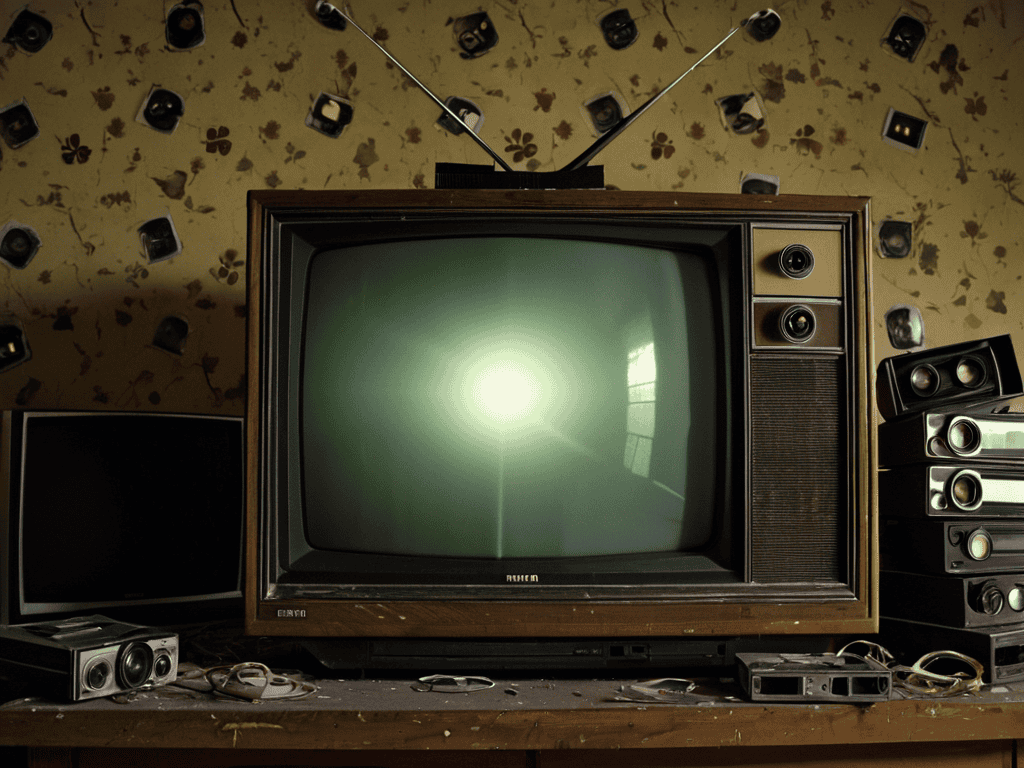
- Embrace the imperfections of old technology, like VHS tapes and cassette recordings, to create an eerie sense of nostalgia and foreboding
- Experiment with distortion techniques, such as glitch art and analog video degradation, to craft unsettling visuals that evoke a sense of unease
- Curate a soundscape of lo-fi terror, incorporating creaks, static, and other ambient noises to transport your audience to a realm of dread
- Delve into the psychology of abandoned places, using the remnants of past lives to evoke a sense of desolation and hopelessness in your horror narrative
- Balance your use of analog elements with modern storytelling techniques, blending the old with the new to create a unique and captivating horror experience that lingers long after the credits roll
Key Takeaways from the Analog Horror Aesthetic
I’ve found that the analog horror aesthetic’s revival of retro horror themes, combined with its use of analog video distortion techniques, creates a uniquely unsettling experience that draws viewers in
Crafting creepy atmospheres is crucial, and techniques like lo-fi sound design and the use of abandoned place horror settings can elevate the analog horror experience to new heights of fear and unease
By embracing the imperfections and quirks of old analog technology, creators can tap into a deep well of psychological horror, making the analog horror aesthetic a compelling and terrifying force in modern media
Unsettling Truths
The analog horror aesthetic is more than just a nostalgic trip – it’s a gateway to the unsettling feeling that our deepest fears are lurking just beyond the static.
Ella Maven
Conclusion
As we’ve explored the analog horror aesthetic, it’s clear that this style has tapped into a deep well of nostalgia and fear. From the revival of retro horror themes to the use of analog video distortion techniques, creators are finding new ways to craft creepy atmospheres that draw us in. The combination of lo-fi sound design and abandoned place horror settings has become a staple of this genre, leaving us with a lasting sense of unease.
So what’s the enduring appeal of analog horror? Perhaps it’s the way it taps into our collective fears, evoking a sense of dread that’s hard to shake. As we continue to push the boundaries of this aesthetic, we may uncover even more unsettling ways to tell stories and evoke emotions. One thing is certain – the analog horror aesthetic is here to stay, and its influence will be felt for years to come, leaving us sleeping with the lights on.
Frequently Asked Questions
What inspires creators to use analog horror aesthetic in their work?
For me, it’s the eerie nostalgia and sense of foreboding that analog horror evokes – think old VHS tapes, creepy static, and abandoned places. Creators tap into this to craft a haunting atmosphere that draws you in and refuses to let go. It’s like uncovering a dark secret from the past.
How has the analog horror aesthetic influenced the way we experience fear and suspense in modern media?
For me, the analog horror aesthetic has revolutionized the way I experience fear and suspense – it’s like a switch has been flipped, and suddenly I’m transported to a creepy, nostalgia-tinged world where the lines between reality and horror are blurred, making every jump scare and eerie sound effect feel intensely more personal and terrifying.
Can the analog horror aesthetic be applied to other forms of storytelling beyond video and film?
I’m convinced the analog horror aesthetic can seep into other forms of storytelling, like literature, music, or even video games, by incorporating elements of decay, distortion, and nostalgia, thus creating a chilling experience that transcends screens.