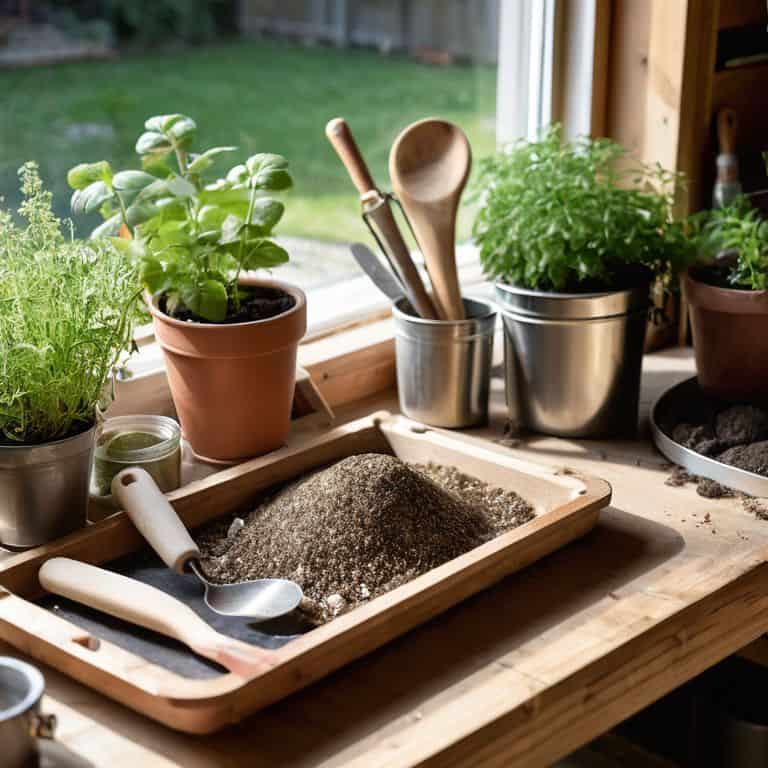
I still remember the first time I tried to create my own potting mix – it was a disaster. I had heard that using soil from my backyard was the way to go, but my plants ended up struggling to thrive. It wasn’t until I discovered the secret to crafting the perfect blend that my indoor garden truly began to flourish. The myth that you need to be an expert to create your own potting mix is simply not true. With a few simple ingredients and some basic knowledge, you can create a customized mix that will make your plants thrive.
In this guide, I’ll walk you through the step-by-step process of creating your own potting mix, from choosing the right ingredients to mixing the perfect blend. You’ll learn how to avoid common mistakes and create a mix that is tailored to your specific plants’ needs. By the end of this article, you’ll have the confidence to create your own potting mix and take your indoor gardening to the next level. I’ll share my personal tips and tricks for making the process easy and fun, so you can enjoy the benefits of healthy, happy plants without the hassle of relying on store-bought mixes.
Table of Contents
Guide Overview: What You'll Need
Total Time: 1 hour 30 minutes
Estimated Cost: $20 – $40
Difficulty Level: Easy
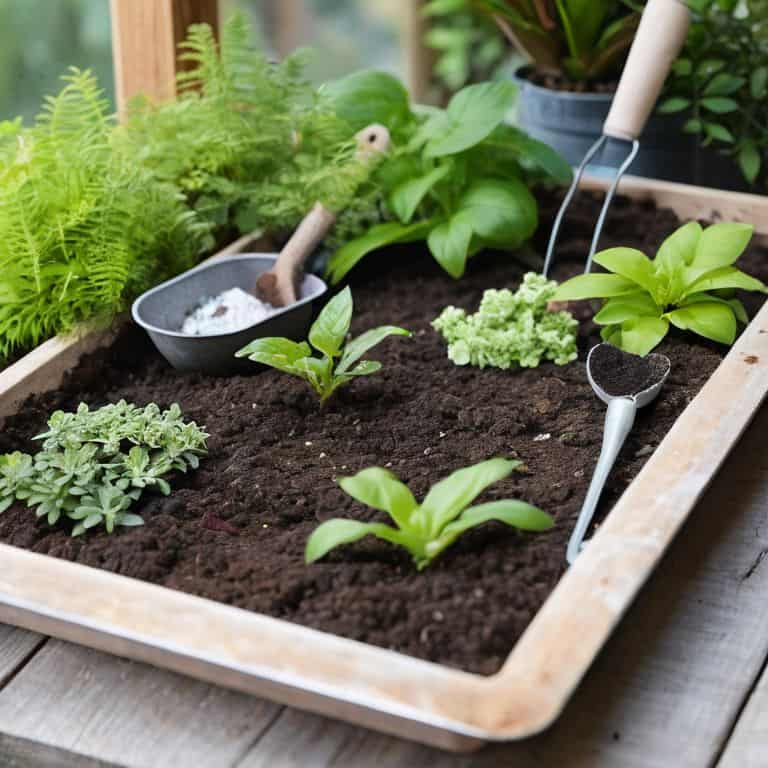
Tools Required
- Gardening Gloves (for handling materials)
- Measuring Bucket (1 gallon or 4 liters capacity)
- Shovel or Trowel (for mixing)
- Sieve or Fine Mesh Screen (for sifting peat moss or compost)
Supplies & Materials
- Peat Moss (2 cubic feet or 57 liters)
- Compost (1 cubic foot or 28 liters)
- Vermiculite or Perlite (1 cubic foot or 28 liters)
- Worm Castings or Balanced Fertilizer (1 cup or 240 milliliters)
- Lime or Dolomitic Limestone (1 cup or 240 milliliters)
Step-by-Step Instructions
- 1. First, let’s start by gathering all the necessary ingredients for our perfect potting mix. We’ll need high-quality peat moss or coconut coir, which will provide the base for our mix and help with water retention. I like to think of this step as the foundation of our mix, where we set the stage for a thriving garden.
- 2. Next, we’ll add some perlite or vermiculite to improve drainage and prevent waterlogging. This is a crucial step, as it will help prevent root rot and ensure our plants receive the right amount of moisture. When adding perlite or vermiculite, remember to mix it in well to avoid any clumps.
- 3. Now it’s time to add some organic matter to our mix. I recommend using composted manure or worm castings, which are rich in nutrients and will help support healthy plant growth. This step is all about giving our plants a boost, and I just love seeing the positive impact it has on their development.
- 4. The next step is to add a balanced fertilizer to our mix. This will provide our plants with the necessary nutrients for optimal growth. When choosing a fertilizer, look for a slow-release formula that will provide a steady supply of nutrients over time. This way, you can be sure your plants are getting what they need to thrive.
- 5. With our ingredients all mixed together, it’s time to consider the pH level of our potting mix. Most plants prefer a slightly acidic to neutral soil pH, so we may need to add some lime or sulfur to adjust the pH. Don’t worry if this sounds complicated – it’s easier than you think, and I’ll walk you through it.
- 6. Now that we have our mix just right, it’s time to sterilize it to prevent any pests or diseases from taking hold. This is a simple step that involves baking the mix in a low-temperature oven for a few hours. Trust me, it’s worth the extra effort to ensure our plants stay healthy.
- 7. Finally, it’s time to fill our containers with our freshly made potting mix. This is the final step in our journey, and I’m so excited for you to see the results. Remember to leave enough space at the top of each container for watering, and don’t pack the mix down too tightly – we want to give our plants room to breathe.
Create Your Dream Mix
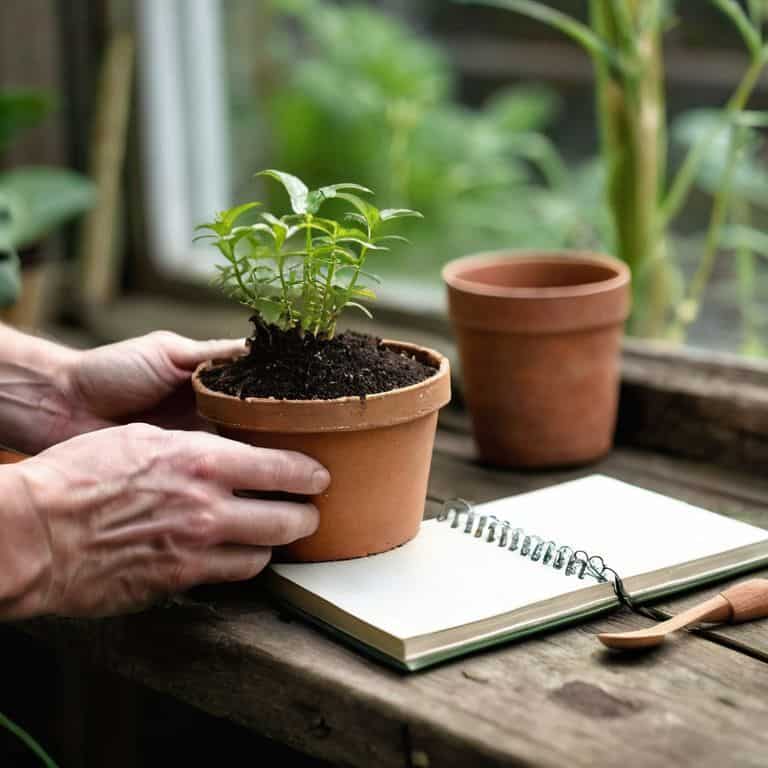
As you experiment with DIY potting soil recipes, remember that the key to a thriving mix is balance. You want to ensure that your plants receive the right amount of nutrients, water, and air. Organic gardening tips for beginners often emphasize the importance of using natural ingredients, which can be both beneficial and eco-friendly. When selecting the best plants for your homemade potting mix, consider their specific needs and adjust your recipe accordingly.
One common mistake to avoid is using garden soil directly in your pots, as it can compact and prevent proper drainage. Improving drainage in potted plants is crucial, especially for plants like succulents that are prone to root rot. A well-draining mix can be achieved by adding ingredients like perlite or sand, which help to prevent waterlogging. By creating a custom potting mix for succulents, you can give them the best chance to thrive.
As you refine your potting mix recipe, don’t be afraid to try new combinations and ingredients. Custom potting mix for succulents can be a fun and rewarding experience, allowing you to tailor your mix to the specific needs of your plants. By experimenting with different ingredients and ratios, you can create a truly unique blend that gives your plants the best possible start in life.
From Garden Soil to Perfect Blend
Now that we’ve unlocked the secrets of DIY potting soil recipes, let’s talk about transforming your garden soil into the perfect blend. This is where the magic happens, and you get to tailor your mix to your plants’ specific needs. By combining your garden soil with other ingredients, you can create a unique blend that will make your plants thrive.
Think of it as a recipe for your plants’ success. You can add peat moss for better water retention, vermiculite for improved drainage, or perlite for enhanced aeration. The key is to experiment and find the right balance for your plants. With a little creativity, you can turn your garden soil into a potent potting mix that will give your plants the best possible start in life.
Unlocking Diy Potting Soil Recipes
Now that you’ve mastered the basics, it’s time to get creative. Unlocking DIY potting soil recipes is all about experimentation and fun. Think of it as a treasure hunt, where you get to mix and match different ingredients to find the perfect blend for your plants. You can try adding unique components like worm castings, coconut coir, or even coffee grounds to create a customized mix that meets your plants’ specific needs.
As you explore different recipes, remember to keep track of your experiments and note what works best for each type of plant. This will help you refine your mixes and become a true potting soil artisan. Don’t be afraid to try new things and make mistakes – they’re all part of the journey to creating your dream mix.
Mixing it Up: 5 Essential Tips for Crafting Your Perfect Potting Blend
- Start with a base: Choose a high-quality peat moss or coconut coir as the foundation of your mix to ensure excellent water retention and aeration
- Add organic matter: Incorporate compost, worm castings, or well-rotted manure to provide essential nutrients and support beneficial microbial growth
- Select the right sand: Use a coarse, sharp sand to improve drainage and prevent waterlogging, which can be detrimental to plant health
- Balance with perlite or vermiculite: Include one or both of these ingredients to enhance drainage, aeration, and moisture retention, creating a well-rounded mix
- Customize for your plants: Consider the specific needs of the plants you’re growing and adjust your mix accordingly, taking into account factors like pH, nutrient requirements, and moisture levels
Key Takeaways for Your Perfect Potting Mix
By following a simple, step-by-step process, you can create your own customized potting mix tailored to your plants’ specific needs, ensuring healthier and more thriving growth
Experimenting with different DIY potting soil recipes allows you to unlock the perfect blend for your garden, whether you’re working with vegetables, flowers, or herbs, and helps you avoid the potential drawbacks of commercial mixes
Remember, the key to mastering your dream mix is to keep it simple, have fun, and be willing to try new combinations – with a little practice and patience, you’ll be crafting potting mixes like a pro and watching your plants flourish
The Art of Mixing
The perfect potting mix is not just a recipe, it’s a reflection of your garden’s unique personality – and with a little creativity, you can unlock a world of growth and possibility, one handful of soil at a time.
Sophie Wallace
Congratulations, You're Now a Potting Mix Master!
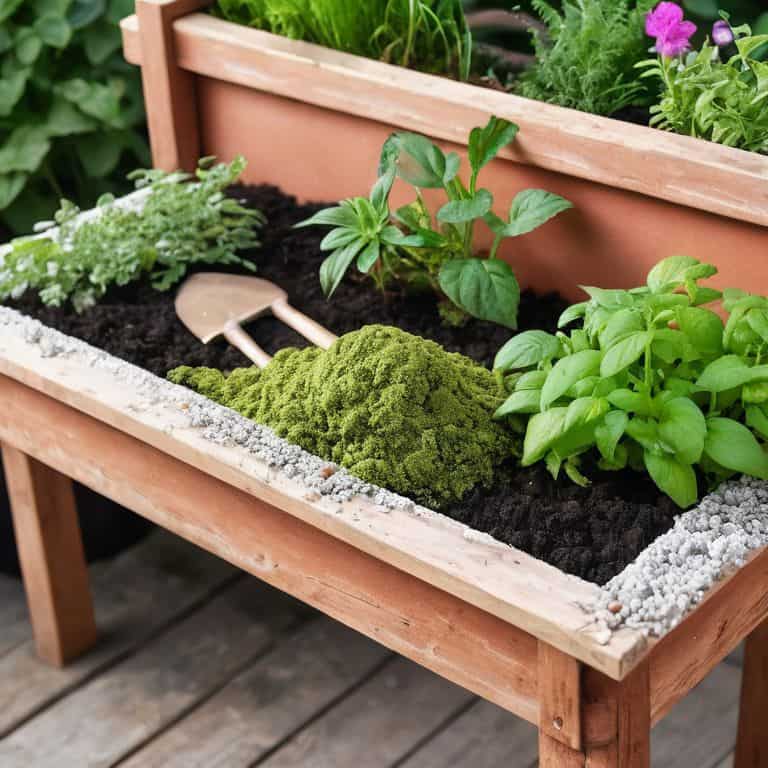
As we come to the end of this journey, let’s recap the key takeaways: we’ve covered the basics of creating your own potting mix, dove into the world of DIY recipes, and explored how to transform regular garden soil into a perfect blend tailored to your plants’ needs. By following these steps and experimenting with different ingredients, you’ll be well on your way to becoming a potting mix expert. Remember, the journey to creating your dream mix is all about trial and error, so don’t be afraid to try new things and adjust your recipe as you go.
Now that you have the tools and knowledge to create your own potting mix, it’s time to get creative and start experimenting! Imagine being able to give your plants the exact nutrients they need to thrive, and watching them flourish as a result. With your new skills, you’ll be able to bring your garden to life like never before, and enjoy the satisfaction of knowing you’re giving your plants the best possible start in life. Happy mixing, and happy gardening!
Frequently Asked Questions
What are the essential ingredients I need to create a basic potting mix?
Let’s get started! For a basic potting mix, you’ll need three essential ingredients: peat moss or coconut coir for moisture retention, perlite or vermiculite for drainage, and a balanced fertilizer to promote healthy growth. I like to think of it as the perfect trio – each one plays a vital role in giving your plants the best start!
How do I determine the right ratio of peat moss to perlite for my specific plants?
To find the perfect peat moss to perlite ratio, consider your plant’s moisture needs. If it loves damp soil, like a fern, use 70% peat moss and 30% perlite. For plants that prefer it dry, like a succulent, flip that ratio to 30% peat moss and 70% perlite. Experiment and adjust to find the sweet spot for your green friend!
Can I reuse old potting soil or do I need to start with completely new ingredients?
Don’t worry, you can definitely reuse old potting soil, but it’s essential to refresh it first. I’ll show you how to revive and blend it with new ingredients for the perfect mix. Let’s give that old soil a new life!