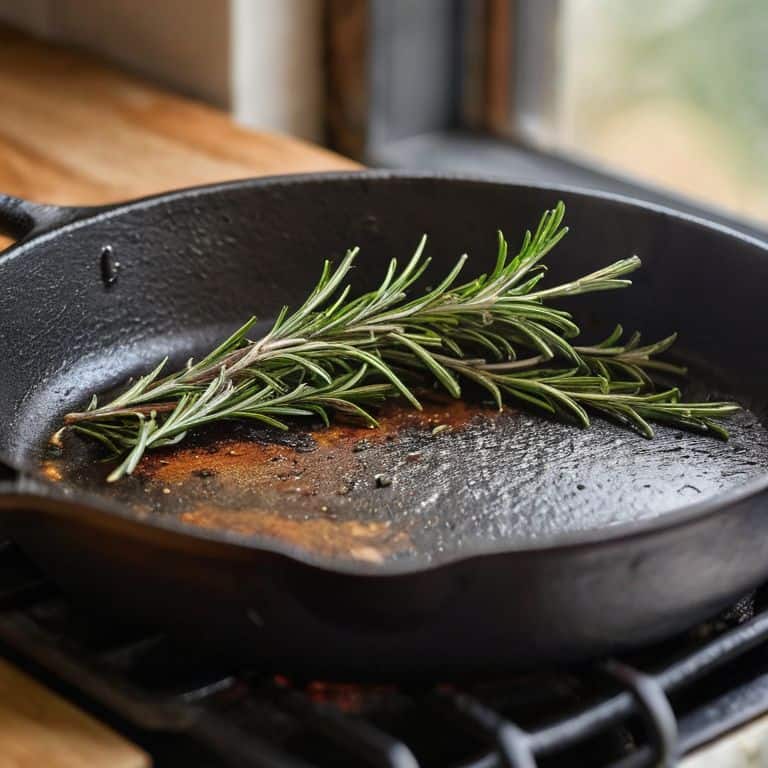
I still remember the day I brought home my first cast iron pan, eager to start cooking up a storm. But, as I soon discovered, the real challenge wasn’t the cooking itself, but rather the art of seasoning. I had heard tales of how to season a cast iron pan correctly, but it seemed like everyone had a different approach. Some swore by a thin layer of oil, while others claimed that a thick, sticky coating was the way to go. As I delved deeper into the world of cast iron, I realized that there was a lot of misinformation out there, and it was time to separate fact from fiction when it comes to how to season a cast iron pan correctly.
As someone who’s spent years restoring vintage audio equipment and reading up on the history of various products, I’ve learned to appreciate the value of a well-crafted story. And, when it comes to cast iron pans, the story begins with the seasoning process. In this article, I’ll share my personal experience and no-nonsense advice on how to season a cast iron pan correctly, from the initial preparation to the final coating. I’ll cut through the clutter and provide you with practical, honest guidance on how to bring your cast iron pan to life, so you can start cooking with confidence and enjoy the numerous benefits that come with using these incredible pieces of cookware.
Table of Contents
Guide Overview: What You'll Need
Total Time: 1 hour 30 minutes
Estimated Cost: $10 – $20
Difficulty Level: Easy
Tools Required
- Paper towels (for cleaning)
- Soft cloth (for applying oil)
- Oven (for heating the pan)
- Tongs or oven mitts (for handling the hot pan)
Supplies & Materials
- Cast iron pan (new or unseasoned)
- Vegetable oil (such as canola or peanut oil)
- Salt (optional for cleaning)
- Baking soda (optional for cleaning)
Step-by-Step Instructions
- 1. To begin the seasoning process, you’ll first want to clean the cast iron pan thoroughly, removing any dirt, grime, or residue from the manufacturing process. This is a crucial step, as any impurities can affect the quality of the seasoning. I like to use a gentle soap and warm water, scrubbing the pan with a soft sponge to get it squeaky clean.
- 2. Once the pan is clean, dry it completely with a towel, paying extra attention to the handle and any crevices where water might collect. You want the pan to be bone dry before moving on to the next step, as any moisture can interfere with the seasoning process.
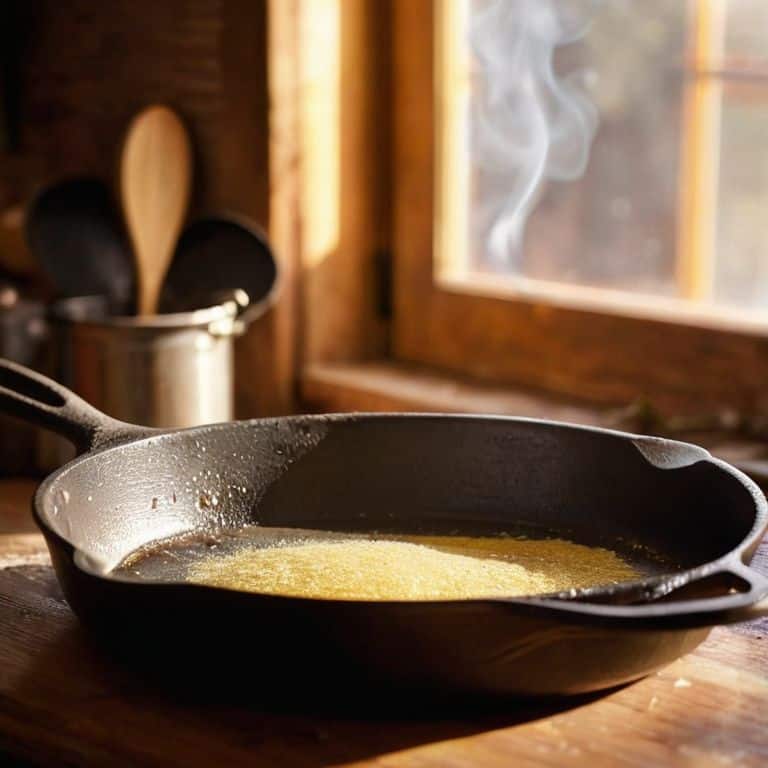
- 3. Now it’s time to apply a thin, even layer of cooking oil to the pan. I prefer to use flaxseed oil or vegetable oil for this step, as they have a high smoke point and won’t leave any strong flavors behind. Use a paper towel to spread the oil evenly, making sure to cover every surface of the pan, including the handle and underside.
- 4. Place the pan in the oven at 350°F (175°C) for an hour to allow the oil to polymerize and form a hard, non-stick surface. This is the most important step in the seasoning process, as it’s where the magic happens. You might start to smell a nutty, toasted aroma wafting from the oven – this is a good sign that the seasoning is taking hold.
- 5. After the hour is up, turn off the oven and let the pan cool completely before removing it. You’ll notice that the pan has taken on a rich, dark color – this is a sign that the seasoning is starting to build up. Don’t worry if it’s not perfectly even at this stage – we’ll be building up multiple layers of seasoning to create a durable, non-stick surface.
- 6. Repeat steps 3-5 multiple times, applying a new layer of oil and baking the pan in the oven for an hour each time. I like to do this process at least 3-4 times to build up a thick, robust seasoning that will last for years to come. Be patient – this is a process that requires time and effort, but the end result is well worth it.
- 7. Once you’ve completed the final layer of seasoning, allow the pan to cool completely before wiping off any excess oil with a paper towel. Your cast iron pan is now ready for action, seasoned to perfection and ready to be used for a lifetime of culinary adventures.
Seasoning Cast Iron Mastery
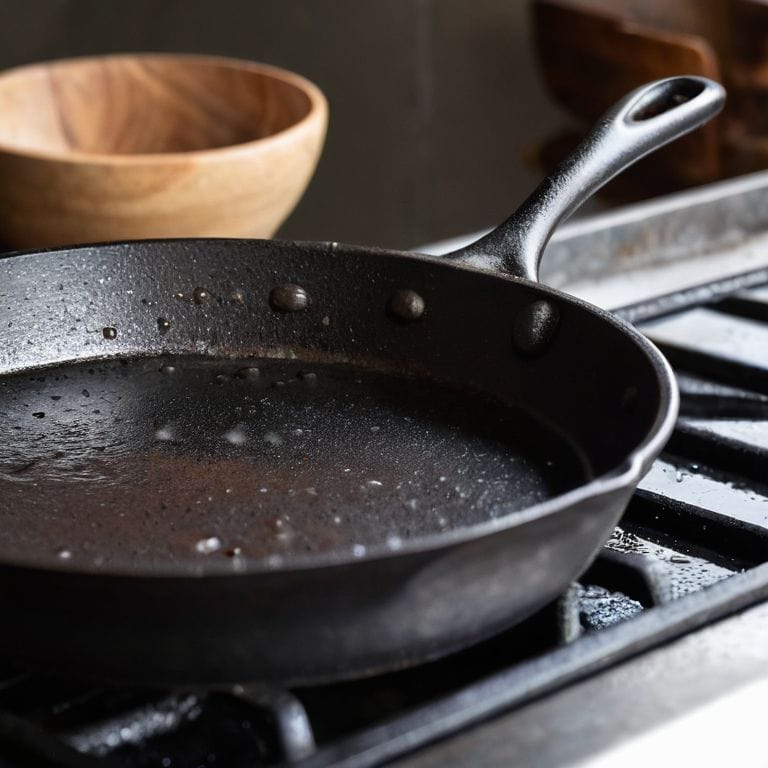
As I delved deeper into the world of cast iron cooking, I discovered that cast iron pan maintenance tips are just as crucial as the initial seasoning process. To keep your pan in pristine condition, it’s essential to avoid using harsh chemicals or abrasive cleaners, which can strip away the carefully crafted seasoning. Instead, opt for gentle soap and water, and dry your pan thoroughly after each use to prevent rust from forming.
One of the most common mistakes people make when it comes to cast iron care is not using the best oil for cast iron seasoning. I’ve found that high-smoke point oils like flaxseed or canola oil work beautifully, allowing for a smooth, even seasoning that will last for years to come. By choosing the right oil and following a few simple care guidelines, you can enjoy a lifetime of culinary adventures with your trusty cast iron pan.
For those looking to restore their cast iron pan to its former glory, cast iron pan restoration techniques can be a game-changer. Whether you’re dealing with a rusty old pan or one that’s been neglected for years, the right approach can bring it back to life. By combining these techniques with regular cast iron pan care and cleaning, you can ensure your pan remains a trusted companion in the kitchen, always ready to deliver delicious, hearty meals.
Awakening Iron With Best Oils
As I delved deeper into the art of seasoning, I discovered that the choice of oil is crucial. I experimented with various options, from flaxseed to canola, but found that certain oils truly brought out the best in my cast iron pans. The key is to select an oil with a high smoke point, ensuring it can withstand the high temperatures required for effective seasoning. I’ve come to swear by peanut oil for its exceptional performance and subtle nutty flavor it imparts to the metal.
Through trial and error, I’ve also developed a fondness for avocado oil, which boasts a mild flavor and an impressively high smoke point. Both of these oils have become staples in my seasoning process, allowing me to achieve a rich, non-stick surface that’s nothing short of remarkable. By selecting the right oil, you’ll be well on your way to unlocking the full potential of your cast iron cookware.
Rust Proofing With Tender Care
As I delved deeper into the world of cast iron, I discovered that rust proofing is an art that requires tender care. It’s not just about slapping on a coat of seasoning, but about creating a bond between the metal and the oil. I’ve found that a gentle touch, paired with the right techniques, can make all the difference. A soft cloth, a light hand, and a patient approach can help to create a rust-resistant barrier that will protect your pan for years to come.
In my experience, it’s the small details that make a big impact. Avoiding harsh chemicals, using the right type of oil, and storing your pan in a dry place can all contribute to a rust-free life. By showing your cast iron pan a little love and attention, you can prevent rust from forming and keep your cookware in top condition.
Forging a Lasting Bond: 5 Essential Tips for Seasoning Your Cast Iron Pan
- Choose the Right Oil: Not all oils are created equal when it comes to seasoning your cast iron pan. Look for high smoke point oils like flaxseed or vegetable oil to ensure a durable, non-stick surface.
- Cleanliness is Key: Before you start the seasoning process, make sure your pan is free of any debris, dust, or manufacturing residue. A gentle scrub with soap and water, followed by a thorough drying, will help create a strong foundation for your seasoning.
- Thin Coats are Better: Apply thin, even coats of oil to your pan, allowing each layer to fully polymerize before adding the next. This will help prevent a sticky, uneven finish and ensure your pan develops a smooth, velvety texture.
- Temperature Control is Crucial: When baking your pan in the oven to set the seasoning, it’s essential to maintain a consistent temperature. Aim for 350-400°F (175-200°C) to achieve the perfect balance between polymerization and smoke point.
- Patience is a Virtue: Seasoning a cast iron pan is not a one-time process, but rather an ongoing journey. Be prepared to apply multiple coats, allow for proper drying time, and maintain your pan with regular cleaning and re-seasoning to develop a rich, non-stick patina that will last for years to come.
Three Key Takeaways for a Lasting Cast Iron Experience
Seasoning your cast iron pan is not a one-time task, but rather an ongoing process that requires periodic re-seasoning to maintain its non-stick properties and prevent rust
Choosing the right oil for seasoning is crucial, with flaxseed oil and canola oil being top recommendations due to their high smoke points and polymerization properties
Proper care and maintenance, including avoiding harsh chemicals, scrubbers, and metal utensils, and instead opting for gentle cleaning and drying techniques, is essential for extending the lifespan of your cast iron pan and ensuring it remains a trusted companion in the kitchen for years to come
The Art of Seasoning
Seasoning a cast iron pan is not just a task, it’s a ritual – a promise of culinary adventures to come, where every layer of oil and every heat cycle is a testament to the stories it will help create in your kitchen.
Elias Vance
Ember & Oil: The Lasting Impression
As I reflect on the journey of seasoning a cast iron pan, I’m reminded that it’s not just about following a set of instructions, but about understanding the narrative behind the process. From choosing the right oil to applying the perfect layer of seasoning, every step is a testament to the long-term value of this cooking vessel. I’ve shared with you the steps to achieve seasoning mastery, from awakening the iron with the best oils to rust proofing with tender care. These techniques aren’t just about preventing rust; they’re about building a relationship with your cookware, one that will last for generations.
Now, as you embark on your own journey of seasoning and cooking with cast iron, remember that the true beauty lies not in the destination, but in the story you create along the way. Every meal cooked, every seasoning layer applied, and every moment shared with loved ones around the cast iron pan becomes a part of its rich history. So, go ahead, take the first step, and then the next, and watch how your cast iron pan transforms into a trusted companion in the kitchen, holding within it the memories and the flavors of countless meals to come.
Frequently Asked Questions
What happens if I accidentally strip the seasoning off my cast iron pan, can I re-season it?
Don’t worry, it’s happened to the best of us – stripping the seasoning off our trusty cast iron pan. Fortunately, re-seasoning is a relatively straightforward process. Simply clean the pan thoroughly, apply a thin layer of your chosen oil, and bake it in the oven at 350°F for an hour. Repeat the process a few times to build up a new layer of seasoning, and you’ll be back to cooking in no time.
How often should I re-season my cast iron pan to maintain its non-stick properties?
Re-seasoning is a periodic ritual, my friend. I recommend re-seasoning your cast iron pan every 1-2 years, or when you notice the non-stick properties starting to wane. However, if you’re a frequent user like myself, you might need to re-season every 6-12 months to maintain that perfect sheen and slick surface.
Can I use any type of oil to season my cast iron pan or are there specific oils that work best?
Not all oils are created equal when it comes to seasoning cast iron. I’ve found that peanut oil, canola oil, and flaxseed oil work beautifully, while olive oil is a bit too dense. The key is to use a high-smoke-point oil that will polymerize nicely, creating a durable non-stick surface.