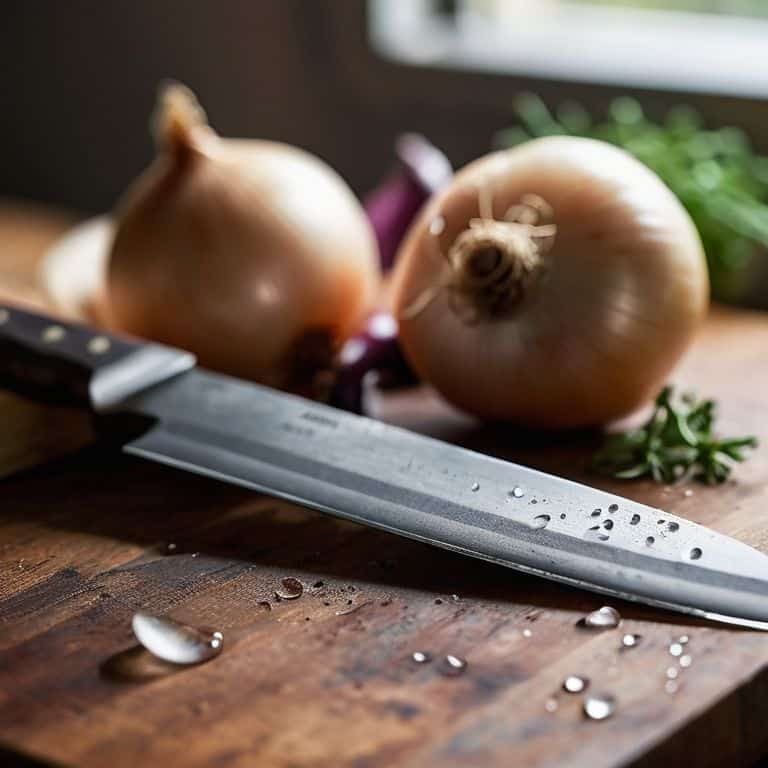
I still remember the day I brought home my first high-carbon steel knife – the excitement of unboxing it, the thrill of feeling its weight in my hand, and the anxiety of not knowing how to care for it. As I delved into the world of how to care for high-carbon steel knives, I was met with a plethora of conflicting advice and myths that left me more confused than confident. It seemed that everyone had a different opinion on the best way to maintain these knives, from the type of oil to use to the frequency of sharpening. But as I began to experiment and learn through trial and error, I discovered that the truth was much simpler than I had anticipated.
As you read this article, I promise to share with you the honest, no-hype advice I’ve gathered over the years on how to care for high-carbon steel knives. You’ll learn the essential steps to keep your knives in top condition, from cleaning and storing to sharpening and maintaining. My goal is to empower you with the knowledge to make the most of your high-carbon steel knives, and to help you develop a routine that will make them last for years to come. Whether you’re a seasoned chef or a culinary newcomer, this guide will provide you with the practical advice you need to unlock the full potential of your knives and take your cooking to the next level.
Table of Contents
Guide Overview: What You'll Need
Total Time: 30 minutes to 1 hour
Estimated Cost: $10 – $30
Difficulty Level: Easy
Tools Required
- Soft cloth (for drying and polishing)
- Mild soap (for cleaning)
- Razor sharpener or whetstone (for sharpening)
Supplies & Materials
- Food-grade mineral oil (for rust prevention)
- Baking soda (for removing stubborn stains)
- Ceramic honing steel (for maintaining edge sharpness)
Step-by-Step Instructions
- 1. First, let’s start with the basics: cleaning your high-carbon steel knife is an essential part of its maintenance. After each use, wash the knife with mild soap and warm water, making sure to remove any food particles or residue. I’ve found that a soft sponge or cloth is best for this task, as it won’t scratch the steel. Avoid using abrasive materials or harsh chemicals, as they can damage the knife’s finish or compromise its integrity.
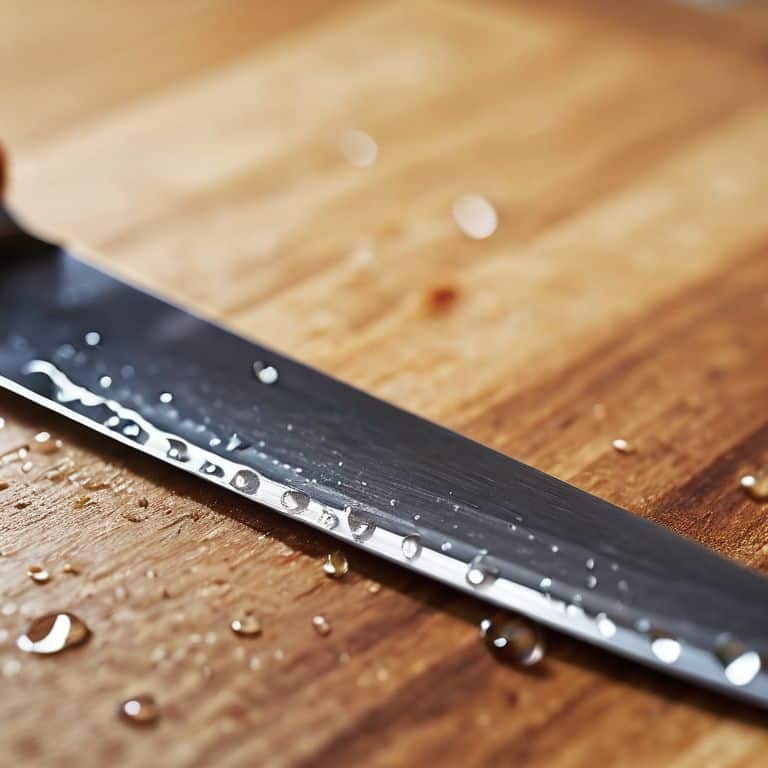
- 2. Once you’ve washed the knife, it’s crucial to dry it thoroughly to prevent water spots or rust from forming. I like to use a clean towel to dry my knives, paying extra attention to the areas around the handle and the blade’s edge. For added protection, you can also apply a small amount of oil to the blade, which will help to repel moisture and maintain the steel’s condition.
- 3. To maintain the knife’s edge, I recommend honing it regularly. This involves using a honing steel or sharpening stone to realign the blade’s molecules and restore its sharpness. When honing, be sure to hold the knife at the correct angle (usually around 20 degrees) and draw the blade across the steel or stone with a smooth, light motion. Consistency is key here, as irregular honing can lead to an uneven edge.
- 4. Every few months, it’s a good idea to deep clean your high-carbon steel knife to remove any built-up residue or grime. To do this, mix equal parts water and white vinegar in a bowl, and soak the knife for about an hour. Then, use a soft-bristled brush to gently scrub away any stubborn stains or debris. After soaking, be sure to rinse the knife thoroughly and dry it immediately to prevent any water spots from forming.
- 5. If you notice any rust or corrosion on your high-carbon steel knife, don’t panic – it’s relatively easy to remove. Start by applying a small amount of rust-removing solution (such as Bar Keepers Friend) to the affected area, and then use a soft cloth or sponge to gently scrub away the rust. Once you’ve removed the rust, be sure to rinse the knife and apply a thin layer of oil to protect the steel.
- 6. To store your high-carbon steel knife, I recommend using a dry, secure location – such as a knife block or magnetic strip – to keep it safe from moisture and accidental damage. Avoid storing the knife in a humid environment, as this can lead to rust or corrosion. If you need to store the knife for an extended period, consider applying a thin layer of oil or wax to the blade to protect it from the elements.
- 7. Finally, it’s essential to inspect your knife regularly to catch any potential issues before they become major problems. Check the blade for signs of rust, corrosion, or excessive wear, and inspect the handle for any cracks or damage. By staying on top of your knife’s maintenance, you can ensure it remains a trusted companion in the kitchen for years to come – and that’s the true value of owning a high-carbon steel knife.
Living With High Carbon Steel
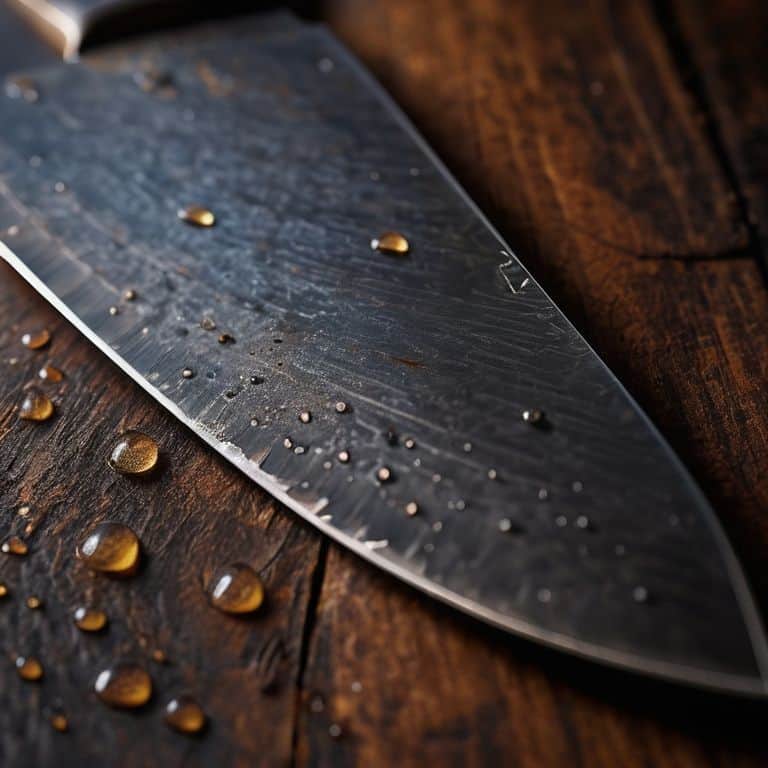
As I’ve learned from my experience with high-carbon steel knives, proper maintenance is just the beginning. Living with these knives means embracing their unique characteristics, like the development of a beautiful patina over time. This natural process can be accelerated or slowed down, depending on how you care for your knife. For instance, I’ve found that using the best oil for high carbon steel knives can help prevent rust and maintain the blade’s integrity.
One of the most important aspects of high-carbon steel knife maintenance is regular sharpening. I’ve developed a routine that involves sharpening my knives every few weeks, using techniques that have been passed down through generations of knife enthusiasts. It’s amazing how a sharp blade can make all the difference in the kitchen, and it’s a crucial part of high carbon steel knife sharpening techniques. By keeping my knives sharp, I’ve been able to prevent accidents and ensure that they remain a joy to use.
Of course, even with proper care, high-carbon steel knives can still develop rust or stains. That’s why it’s essential to know how to remove rust from carbon steel knives. I’ve learned that a gentle touch and the right cleaning products can make all the difference. After each use, I make sure to clean my high-carbon steel knives thoroughly, drying them immediately to prevent water spots. It’s a simple habit that has helped me build a long-lasting relationship with my knives.
Forging a Bond Removing Rust
As I’ve delved deeper into the world of high-carbon steel knives, I’ve encountered my fair share of rust. It’s a rite of passage, really – a sign that your knife is ready for a deeper level of care. Removing rust is an art that requires patience and gentle touch. I’ve found that a mixture of vinegar and water, applied to the affected area with a soft cloth, can work wonders. The acid in the vinegar helps break down the rust, allowing you to wipe it away and reveal the steel beneath.
It’s a therapeutic process, really – one that strengthens the bond between you and your knife. As you carefully remove the rust, you begin to understand the nuances of your knife’s personality. You learn to anticipate its needs, to sense when it’s ready for a touch-up. It’s a relationship built on trust and mutual respect, one that deepens with each passing day.
Sharpening the Edge Maintenance Tips
As I’ve delved deeper into the world of high-carbon steel knives, I’ve come to realize that sharpening is an art form. It’s not just about maintaining the edge, but about understanding the knife’s personality. I’ve found that a gentle touch and the right sharpening stone can make all the difference. With each stroke, I feel like I’m tuning a fine instrument, preparing it for the next culinary symphony.
Over time, I’ve developed a sharpening routine that’s almost therapeutic. It’s a quiet moment to myself, where I focus on the knife’s curves and lines, feeling the steel respond to my touch. By sharpening regularly, I’ve noticed a significant improvement in the knife’s performance, and our bond has grown stronger. It’s a reminder that high-carbon steel knives are not just tools, but companions that require care and attention to thrive.
Knife Care Essentials: 5 Tips to Cherish Your High-Carbon Steel Companion
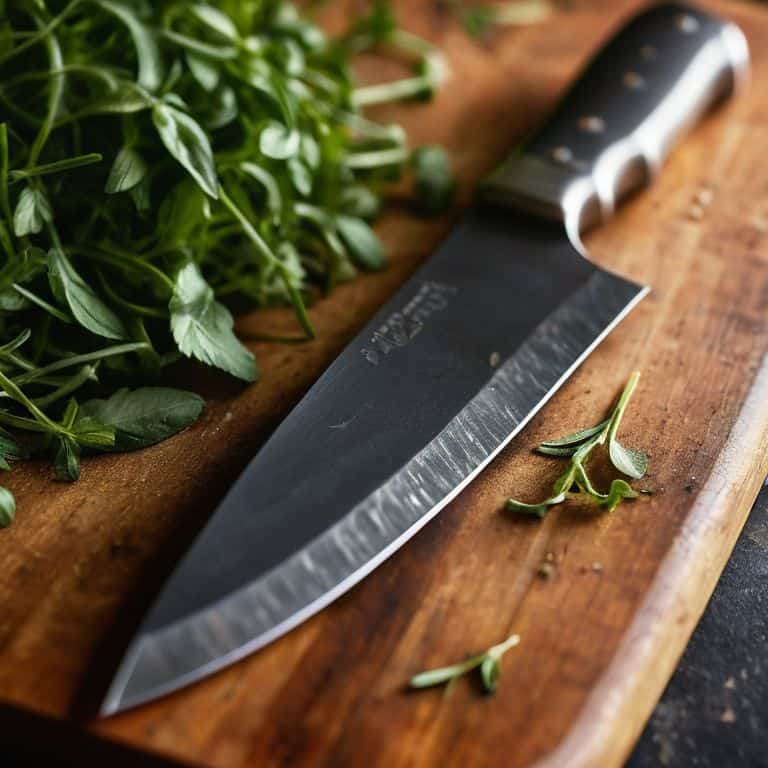
- Store your high-carbon steel knife in a dry place, away from direct sunlight, to prevent rust and maintain its edge
- Clean your knife by hand with mild soap and warm water after each use, and dry it thoroughly to prevent water spots
- Apply a thin layer of food-safe oil, such as camellia oil or mineral oil, to the blade after cleaning and drying to protect it from rust
- Avoid cutting on hard surfaces, such as granite or marble, as this can damage the edge of your high-carbon steel knife
- Regularly sharpen your high-carbon steel knife to maintain its cutting performance and prevent the edge from becoming dull and prone to rust
Key Takeaways for a Lifetime of Sharpness
I’ve found that regular honing and sharpening are crucial to maintaining the edge of high-carbon steel knives, and it’s a skill that develops over time with practice and patience
A little TLC goes a long way: properly cleaning, drying, and storing your high-carbon steel knife can prevent rust and ensure it remains a trusted companion in the kitchen for years to come
Living with high-carbon steel knives is a journey, not a destination – it’s about developing a routine, understanding the material, and embracing the unique characteristics that make each knife a one-of-a-kind addition to your culinary arsenal
The Heart of the Matter
A high-carbon steel knife is not just a tool, it’s a companion that requires attention, care, and a willingness to understand its nuances – with time and patience, it will reward you with a sharpness and character that’s nothing short of remarkable.
Elias Vance
A Lasting Cut: Conclusion
As I reflect on my journey with high-carbon steel knives, I’m reminded of the importance of dedication and patience in maintaining these exceptional tools. From the initial steps of cleaning and drying to the ongoing process of sharpening and removing rust, each action is a testament to the relationship we forge with our knives. Through the subsections on living with high-carbon steel, we’ve explored the nuances of forging a bond by removing rust and sharpening the edge with maintenance tips. These practices not only extend the life of our knives but also deepen our appreciation for the craftsmanship that goes into creating them.
As we close this chapter on caring for high-carbon steel knives, I encourage you to view this process not merely as maintenance, but as an opportunity to cultivate a sense of pride and connection with the tools that help us create, nurture, and share meals with others. By embracing the narrative of our high-carbon steel knives, we invite a sense of storytelling into our kitchens, where every cut, every slice, and every dish prepared becomes a part of a larger, more personal story.
Frequently Asked Questions
What are the best practices for storing high-carbon steel knives to prevent rust and damage?
Storing my high-carbon steel knives is an art I’ve perfected over time. I recommend a dry place, away from direct sunlight, and a knife block or magnetic strip to keep them separate and dry. Occasionally, I’ll also apply a thin layer of camellia oil to the blades for extra protection.
Can I use any type of oil or wax to condition my high-carbon steel knife, or are there specific products recommended?
When it comes to conditioning my high-carbon steel knife, I’m quite particular. I swear by camellia oil or beeswax – they’re gentle, non-toxic, and provide a beautiful patina over time. Avoid petroleum-based products, as they can leave a residue and attract dust. Trust me, the right conditioner makes all the difference in maintaining that perfect balance of form and function.
How often should I sharpen my high-carbon steel knife to maintain its edge and prevent it from becoming dull?
For me, sharpening my high-carbon steel knife is a ritual that happens every week or two, depending on use. I’ve found that a quick hone every few days and a full sharpening session every fortnight keeps the edge razor-sharp, preventing dullness from setting in. It’s all about finding that balance between maintenance and patience.