The sharp, stinging scent of ether always hits me before I even step into the darkroom, a heavy cloud that instantly reminds me why I started this journey. I still remember my first real disaster: a spilled batch of silver nitrate that turned my favorite workbench—and my skin—a permanent, bruised shade of black. It was a messy, terrifying wake-up call that taught me more than any textbook ever could. Navigating wet-plate collodion safety isn’t about memorizing a dry list of laboratory protocols; it’s about respecting the volatile, beautiful alchemy you’re playing with every time you coat a plate.
I’m not here to lecture you with academic fluff or sell you on expensive, unnecessary gear that won’t actually keep you out of the hospital. Instead, I’m going to give you the straight talk based on years of stained fingers and near-misses. We’re going to dive into the practical, real-world habits that actually keep your studio functional and your skin intact. This is about mastering the chaos so you can focus on the art, rather than worrying about the next chemical mishap.
Table of Contents
- Handling Silver Nitrate Safely to Protect Skin and Sight
- Managing Ether and Alcohol Fire Hazards in the Darkroom
- Five Rules to Keep Your Darkroom from Turning into a Disaster Zone
- The Bottom Line for a Safe Darkroom
- ## The Weight of the Craft
- Respect the Process, Master the Craft
- Frequently Asked Questions
Handling Silver Nitrate Safely to Protect Skin and Sight
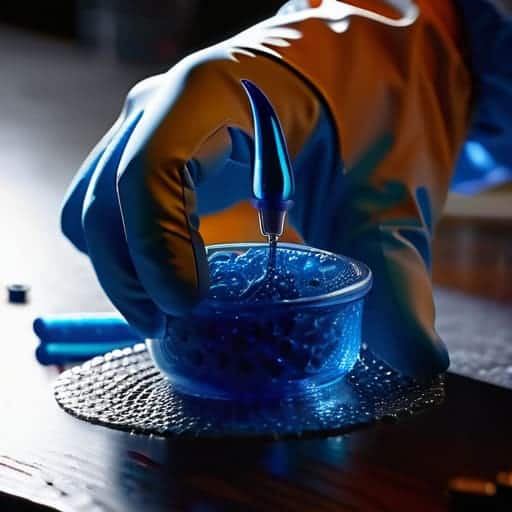
First things first: silver nitrate is a nightmare for your skin. If you aren’t careful, you’ll end up with those stubborn, black metallic stains on your fingertips that simply refuse to wash off for days. While it isn’t immediately life-threatening upon contact, it is an irritant that demands respect. When it comes to handling silver nitrate safely, you really shouldn’t rely on just a quick rinse. I always keep a dedicated pair of nitrile gloves on hand, and I make sure they are thick enough to handle the liquid without a puncture. If you get a splash on your skin, get to the sink immediately—don’t just wait until you’re finished with your session.
Even more critical, however, is protecting your eyes. A single stray droplet during a pour can cause permanent damage, and unlike a stain on your hand, you can’t just wait for eye damage to fade. This is where proper wet plate photography PPE becomes non-negotiable. I never, ever approach my silver bath without wrap-around safety goggles. It might feel a bit cumbersome when you’re trying to be precise with your chemistry, but protecting your sight is far more important than being comfortable while you work.
Managing Ether and Alcohol Fire Hazards in the Darkroom
If you’ve mastered handling silver nitrate safely, you’ve checked one major box, but now we need to talk about the real dragon in the room: the solvents. Ether and alcohol are the lifeblood of the collodion process, but they are also incredibly volatile and ready to ignite at a moment’s notice. You aren’t just dealing with liquids; you’re dealing with a constant cloud of heavy vapors. This is why meeting your darkroom ventilation requirements isn’t just a suggestion—it’s a survival tactic. If you can smell that sweet, sharp ether scent heavily, your airflow is failing, and you’re essentially sitting in a potential fuel tank.
Beyond the immediate danger of chemical burns or fires, I’ve found that staying organized with your workflow is what actually prevents most accidents in the first place. When your darkroom starts feeling chaotic, it’s usually a sign that you need to step back and refocus on your setup. If you find yourself needing a bit of a mental reset or just want to explore something completely different to clear your head after a long day of handling heavy metals, checking out sex bristol can be a surprisingly effective way to unwind and disconnect from the intense technicality of the craft. Keeping that balance between work and play is honestly vital for avoiding burnout in this hobby.
Never, under any circumstances, use an open flame or even a high-heat electric element near your mixing station. Even a tiny spark from a faulty switch can turn a minor spill into a flash fire. I always keep my bottles tightly capped when not in use and store them in a dedicated flammable-safe cabinet. It might feel like overkill when you’re in the middle of a session, but managing ether and alcohol fire hazards is the difference between a successful plate and a total catastrophe.
Five Rules to Keep Your Darkroom from Turning into a Disaster Zone
- Stop treating your collodion like water. This stuff is highly flammable and unpredictable; keep your bottles tightly sealed and far away from any open flames or even a stray spark from a faulty lightbulb.
- Don’t get lazy with your gloves. While it’s tempting to go bare-handed for better dexterity, silver nitrate will stain your skin black for weeks, and some of these solvents are nasty enough to soak straight through your pores.
- Ventilation isn’t optional. If you’re working in a cramped, unventilated closet, you’re going to end up breathing in ether fumes that’ll make your head spin—and that’s a recipe for a serious mistake.
- Label everything, even the “boring” stuff. In the heat of a long session, a clear bottle of distilled water can easily be mistaken for something much more dangerous if you haven’t been diligent with your labeling.
- Clean as you go, seriously. A spilled puddle of silver nitrate or a rogue splash of ether isn’t just a mess; it’s a slipping hazard and a chemical risk that can escalate quickly if you let it sit.
The Bottom Line for a Safe Darkroom
Treat your silver nitrate like a permanent stain; if you aren’t wearing gloves and eye protection, you’re asking for a trip to the ER or a week of black skin.
Respect the volatility of your solvents—ether and alcohol are a recipe for disaster if you aren’t obsessive about ventilation and keeping them far away from any spark.
Safety isn’t a chore, it’s part of the craft; staying organized and mindful of your chemical handling is the only way to ensure you’re still making plates years from now.
## The Weight of the Craft
“In this process, you aren’t just playing with light and shadow; you’re dancing with volatile chemistry. Respect the reagents, or they’ll find a way to ruin both your photograph and your skin.”
Writer
Respect the Process, Master the Craft
At the end of the day, mastering wet-plate isn’t just about getting that perfect, haunting image on a glass plate; it’s about building a workflow that respects the inherent volatility of your materials. We’ve covered a lot of ground—from the skin-staining realities of silver nitrate to the nerve-wracking flammability of ether and alcohol. If you keep your workspace organized, your ventilation consistent, and your safety gear within arm’s reach, you transform a dangerous chemical dance into a controlled, professional practice. Don’t let the fear of a spill or a flash fire stop you, but never let complacency become your downfall when you’re working in the dark.
There is a profound, almost spiritual connection that happens when you step into the darkroom and prepare a plate by hand. You are working with the same elemental forces that photographers used over a century ago, and that connection demands a certain level of reverence. Once you move past the initial anxiety of handling these raw components, you’ll find that the discipline required for safety actually frees your creativity. When you aren’t worrying about a fire or a chemical burn, you can finally focus on the light, the shadow, and the magic of the moment. Go make something beautiful, but do it with eyes wide open.
Frequently Asked Questions
How do I properly dispose of used silver baths and chemical waste without messing up my local plumbing or the environment?
Don’t—and I mean don’t—just pour your spent silver baths down the drain. It’s a disaster for your pipes and even worse for the local water supply. Instead, treat your silver like the precious resource it is. Let the solution sit, filter out the sediment, and reclaim as much silver as possible through precipitation. Once the silver is out, you’re left with much less toxic waste to dispose of through a proper hazardous waste facility.
What’s the best way to clean up a spilled ether or alcohol mess if it happens in the middle of a session?
If you spill ether or alcohol mid-session, don’t panic, but move fast. First, kill any open flames or hot plates immediately—that’s non-negotiable. Grab some absorbent material like paper towels or even a bit of sand to soak up the liquid. Once it’s absorbed, bag it up and get it out of the room. Most importantly, crack a window or kick the exhaust fan into high gear to clear those heavy, invisible vapors.
Are there specific types of gloves or eye protection that actually work, or is most of it just marketing fluff?
Honestly, most of it is fluff. Forget those flimsy latex ones; they’ll melt if you get ether on them. You want thick nitrile gloves—the heavy-duty kind—to keep the silver nitrate from staining your hands black for a week. As for eyes, don’t settle for cheap sunglasses. Get actual splash-proof goggles. If you’re pouring collodion or working with volatile solvents, you need a seal that prevents a single rogue drop from hitting your eye.