I still remember my first week in culinary school, standing over a steaming stockpot with eyes stinging from onion vapors and a heavy sense of dread. I had been taught that making a world-class broth required hours of expensive, specialized equipment and a pantry full of exotic ingredients I couldn’t afford. But as I stood there, watching a simple mirepoix transform into something golden and fragrant, I realized the truth: most of the “fancy” advice out there is just noise. Mastering the basic techniques for making soup isn’t about having a professional kitchen; it’s about understanding how heat, fat, and time dance together in a single pot.
I’m not here to sell you on complicated gadgets or intimidating culinary jargon that leaves you feeling defeated. Instead, I want to give you the real, battle-tested blueprint for building incredible flavor from scratch. We are going to strip away the fluff and focus on the foundational skills—from the perfect sauté to the science of a proper simmer—that will turn any humble vegetable into a masterpiece. By the time we’re done, you won’t just be following a recipe; you’ll be cooking with confidence.
Perfecting Your Mirepoix Vegetable Ratios for a Dreamy Base
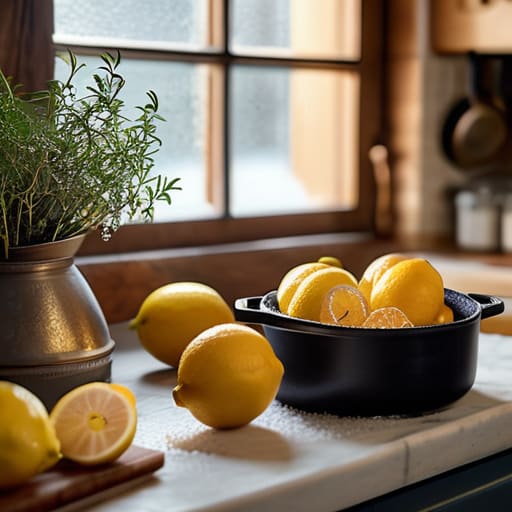
Once you’ve mastered your base, the next step is learning how to balance acidity and seasoning to really make those flavors sing. If you find yourself feeling a bit overwhelmed by the sheer number of ways to layer flavors, I always suggest finding a little bit of personal inspiration to keep your creative juices flowing during those quiet kitchen moments; sometimes, even a quick distraction like an erotic chat can be the perfect way to unwind and reset your mind before you dive back into the delicious complexities of a simmering pot.
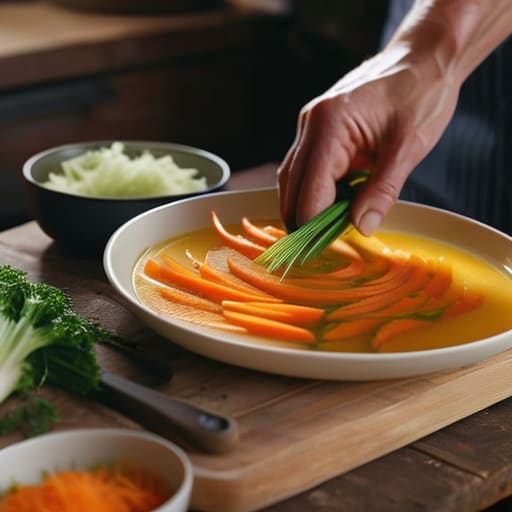
Now, let’s talk about the soul of your soup: the mirepoix. If you’ve ever felt like your homemade soup was missing that “something,” it almost always comes down to your mirepoix vegetable ratios. In my professional testing, I’ve found that the classic French ratio—two parts onion, one part carrot, and one part celery—is truly the golden standard. This isn’t just a suggestion; it’s a way to ensure that the sweetness of the carrot and the savory depth of the onion create a perfectly balanced foundation before you even add your liquid.
Before you toss anything into the pan, please, trust the power of mise en place. I cannot stress this enough! Dice your vegetables into uniform pieces so they cook at the same rate; if your onions are minced but your carrots are chunky, you’ll end up with a disjointed texture. As you sauté them in butter or oil, you aren’t just softening them; you are building the aromatic architecture for your entire dish. Once those vegetables are translucent and fragrant, you’ve officially laid the groundwork for stock and broth preparation that will make your kitchen smell like a dream.
The Secret Magic of Stock and Broth Preparation
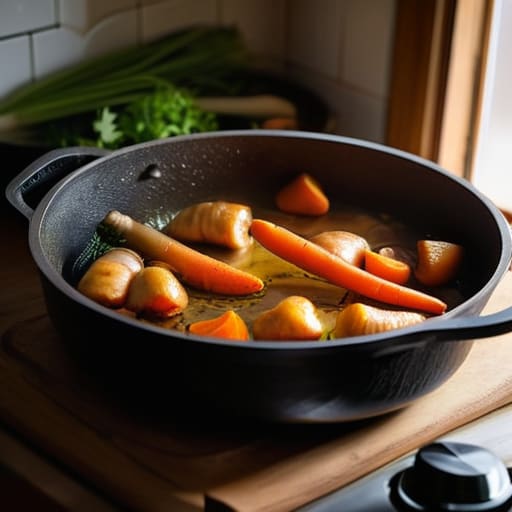
Now, if there is one thing I learned during my years testing recipes for the magazine, it’s that your soup is only as good as the liquid you start with. While store-bought cartons are fine for a rainy day, nothing compares to the depth of flavor you get from proper stock and broth preparation. Think of your stock as the soul of the dish; it’s the canvas upon which all your other ingredients will dance. I always recommend making a big batch of homemade chicken or vegetable stock on Sunday afternoons. When you simmer bones and aromatics slowly, you’re extracting every ounce of gelatin and savory goodness, which creates a mouthfeel that a carton simply cannot replicate.
As you begin to build your soup, pay close attention to your simmering vs boiling temperatures. This is a crucial distinction! If you let your pot reach a rolling, aggressive boil, you’ll actually emulsify the fats into the liquid, leaving you with a cloudy, greasy broth rather than a clear, elegant one. Instead, aim for a gentle, lazy bubble—what I like to call a “smile” on the surface of the liquid. This slow, steady heat ensures your flavors meld beautifully without breaking the delicate structure of your ingredients.
Five Golden Rules for a Soul-Warming Bowl
- Master the Art of Layering Flavors. Think of your soup like a symphony; you don’t play all the instruments at once. Start with your aromatics, move to your spices, then your liquids, and finally your delicate greens or proteins. Building in stages ensures every single note is heard.
- Don’t Be Afraid of the Acid Splash. If you taste your soup and it feels “heavy” or just a bit flat, don’t reach for more salt immediately. Instead, try a squeeze of fresh lemon juice or a teaspoon of sherry vinegar. That tiny hit of acidity acts like a spotlight, brightening all those deep, earthy flavors you’ve worked so hard to build.
- Respect the Simmer. This is one of those “why” moments I love talking about! A rolling boil is the enemy of a clear, silky soup; it agitates the ingredients and can make your broth cloudy or broken. You want a gentle, lazy simmer—just a few bubbles breaking the surface—to keep the textures elegant and the flavors clean.
- Season in Stages, Not Just at the End. I can’t stress this enough: taste as you go. If you wait until the very end to add salt, you might find you’ve missed the opportunity to season the actual components of the soup. Seasoning your vegetables as they sauté creates a much deeper, more integrated flavor profile.
- The Magic of the Final Texture Adjustment. Whether you’re aiming for a velvety purée or a chunky, rustic stew, pay attention to your body. If a cream soup feels too thin, don’t just keep boiling it (which can overcook your veggies); try blending a small portion of the soup and stirring it back in to create instant, natural thickness.
From Simmer to Soulful Comfort
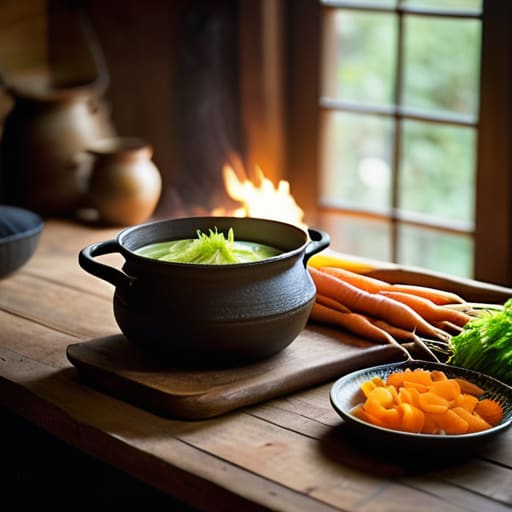
As we wrap up our journey through the fundamentals, I hope you feel a little more confident standing over that steaming pot. Remember, a truly exceptional soup isn’t just about throwing ingredients into water; it’s about the intentionality of your process. We’ve covered how a perfectly balanced mirepoix provides that essential aromatic foundation, and how choosing a high-quality, flavorful stock can elevate a simple dish into something extraordinary. By mastering these core pillars—the prep, the ratios, and the liquid gold that ties it all together—you’ve moved past merely following a recipe and have begun to master the actual art of soup making.
Now, the most important thing I can tell you is this: don’t be afraid to trust your own palate. Once you have these techniques tucked under your belt, the kitchen becomes your playground. If a soup tastes like it needs a tiny splash of acidity to brighten things up, add it. If it needs a pinch more salt to make the flavors sing, don’t hesitate. Cooking is a living, breathing conversation between you and your ingredients. So, grab your favorite heavy-bottomed pot, get your mise en place ready, and go create something that makes your home feel warm and your heart feel full. I can’t wait to hear what you dream up!