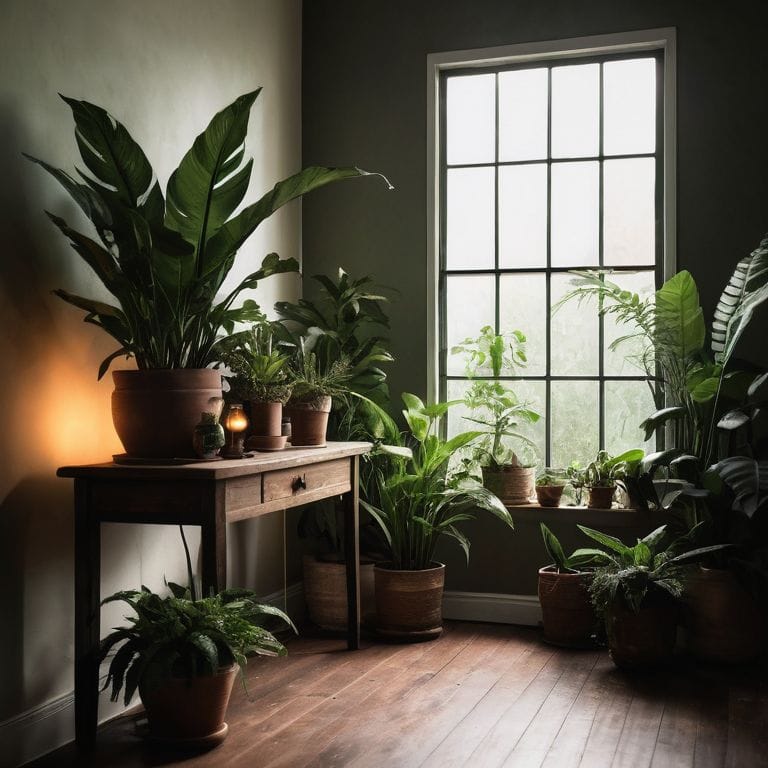
As I sit in my own little slice of heaven, surrounded by lush greenery that thrives despite the limited natural light, I’m reminded of the quest many of us are on: to find the best low-light indoor plants that can bring life and vibrancy to our homes. It’s a challenge I’ve faced myself, transforming my quirky old house into a cozy retreat, and one that I know many of my fellow secret gardeners out there can relate to. The importance of indoor plants cannot be overstated – they not only purify the air and improve the aesthetic of a room, but they also tell a story of their own, reflecting the personality and style of their owner.
In this list, I promise to share with you my top 5 picks for low-maintenance and stunning plants that will flourish in even the darkest of spaces. From the elegant trailing vines to the bold, statement-making foliage, each of these plants has been carefully selected for its unique characteristics and ability to thrive in low-light conditions. By the end of this journey, you’ll be equipped with the knowledge to turn even the coziest, most shadowy corners of your home into a lush oasis, and to make your space truly, beautifully yours.
Table of Contents
- Unveiling the Pothos Plant
- The Snake Plant: A Low-Light Legend
- Discovering the Peace Lily
- The Dracaena: A Versatile Low-Light Plant
- The Philodendron: A Low-Light Climber
- Bringing Your Low-Light Oasis to Life: 3 Key Takeaways
- Bringing Life to the Shadows
- Bringing Your Low-Light Oasis to Life
- Frequently Asked Questions
Unveiling the Pothos Plant
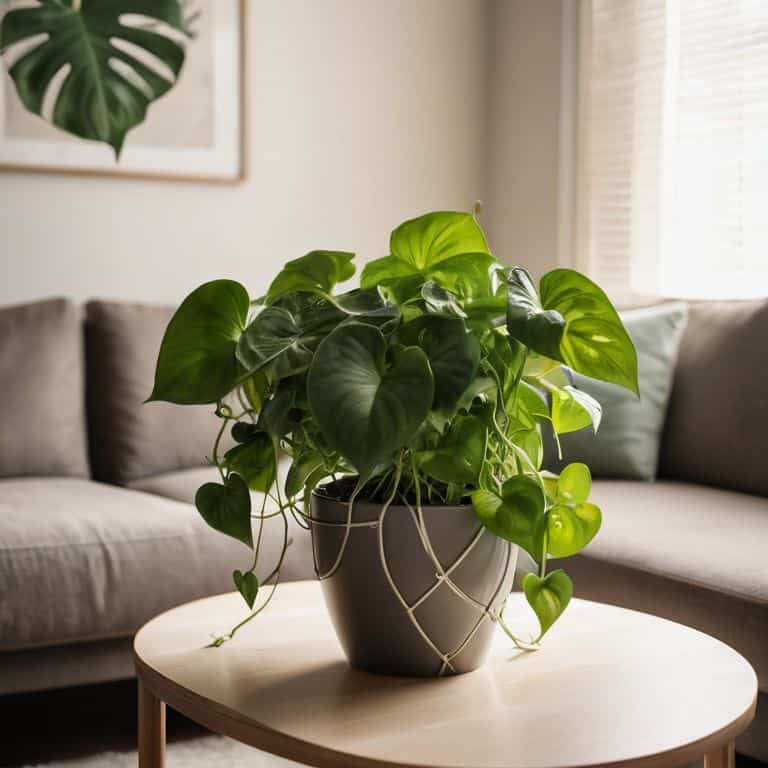
I still remember the day I brought home my first pothos plant. It was a small, unassuming thing, but I had big plans for it. With its trailing vines and heart-shaped leaves, I knew it would be the perfect addition to my living room. And the best part? It thrives in low-light conditions, making it perfect for rooms with limited natural light. I’ve had it for years now, and it’s still going strong. In fact, it’s become a bit of a low-maintenance superstar in my home, requiring only occasional watering and pruning to keep it happy and healthy. Over time, I’ve learned to appreciate its ability to purify the air and add a touch of greenery to my space.
The Snake Plant: A Low-Light Legend
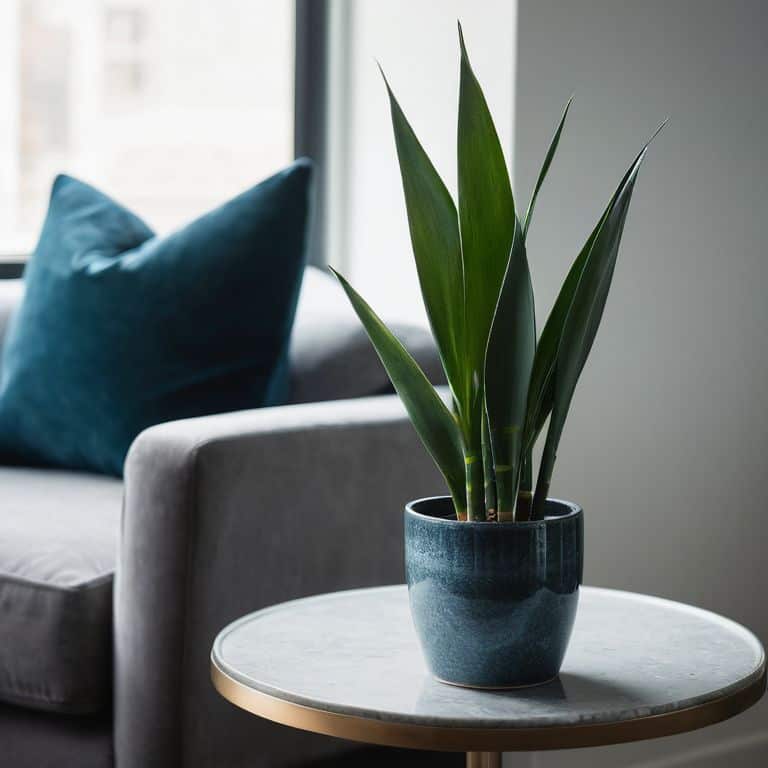
The snake plant, also known as mother-in-law’s tongue, is a bit of a low-light legend. It’s known for its ability to survive in even the darkest of conditions, making it perfect for rooms with limited natural light. But what really sets it apart is its unique, upright leaves, which add a touch of drama and sophistication to any room. I’ve had my fair share of snake plants over the years, and I can attest to their hardiness. They’re perfect for busy people or those new to plant parenthood, as they can survive with infrequent watering and don’t require much maintenance. Plus, they’re great at purifying the air, making them a popular choice for indoor spaces.
Discovering the Peace Lily
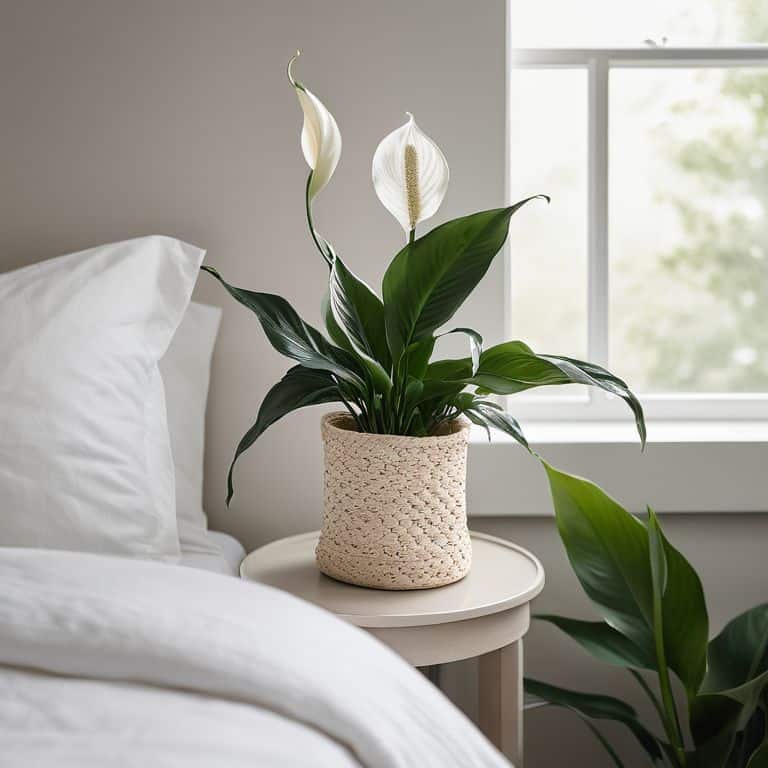
I discovered the peace lily by chance, while browsing through a local nursery. Its elegant white blooms and dark green leaves caught my eye, and I knew I had to have it. But what really sold me on this plant was its ability to thrive in low-light conditions. It’s a bit more high-maintenance than some of the other plants on this list, requiring regular watering and fertilization to keep it happy and healthy. However, the payoff is well worth it. The peace lily is a natural air purifier, and its blooms are a beautiful addition to any room. I’ve found that it’s particularly well-suited to bedrooms and bathrooms, where its calming presence can help create a relaxing atmosphere.
The Dracaena: A Versatile Low-Light Plant
The dracaena is a bit of a chameleon when it comes to low-light plants. It comes in a variety of species, each with its own unique characteristics and growth habits. I’ve found that it’s particularly well-suited to rooms with limited natural light, as it can thrive in conditions that would be challenging for other plants. One of the things I love about the dracaena is its ability to grow tall, making it a great choice for rooms with high ceilings. It’s also relatively low-maintenance, requiring only occasional watering and pruning to keep it happy and healthy. Over time, I’ve learned to appreciate its air-purifying properties, which make it a great addition to any indoor space.
The Philodendron: A Low-Light Climber
The philodendron is a low-light superstar that’s perfect for rooms with limited natural light. Its heart-shaped leaves and trailing vines make it a great choice for hanging baskets or training up a trellis. I’ve found that it’s particularly well-suited to rooms with limited space, as it can thrive in small areas and even grow up walls or ceilings. One of the things I love about the philodendron is its ability to adapt, making it a great choice for rooms with changing light conditions. It’s also relatively easy to care for, requiring only occasional watering and pruning to keep it happy and healthy. Over time, I’ve learned to appreciate its air-purifying properties, which make it a great addition to any indoor space.
Bringing Your Low-Light Oasis to Life: 3 Key Takeaways
Embracing low-light indoor plants isn’t just about air quality; it’s about crafting a unique, story-driven space that reflects your personality and style, even in the coziest, darkest corners of your home.
By selecting the right low-light plants, you can add a touch of magic to your interior design, creating an ambiance that’s both calming and uplifting – and it all starts with choosing plants that thrive in conditions that might be challenging for others.
Remember, the beauty of low-light indoor plants lies not just in their ability to purify the air, but in their power to evoke emotions and spark imagination, allowing you to tell your own story through the lush, green landscapes you create within your walls.
Bringing Life to the Shadows
Low-light indoor plants are more than just air purifiers, they’re the secret keepers of our coziest moments, the guardians of our most intimate stories, and the magic that happens in the quiet, unassuming spaces we call home.
Maya Rivera
Bringing Your Low-Light Oasis to Life
As we’ve explored the best low-light indoor plants, from the resilient Pothos to the elegant Prayer Plant, it’s clear that each of these green friends can bring a unique touch to our homes. Whether you’re a seasoned gardener or a newcomer to the world of indoor plants, the key takeaway is that with a little creativity and the right choices, even the darkest corners of our living spaces can be transformed into thriving oases. By selecting plants that not only survive but thrive in low-light conditions, we open ourselves up to a world of design possibilities that blend nature with nurture.
So, as you embark on your own journey to create a lush, low-light paradise, remember that it’s all about telling your story through the plants and spaces you choose. Don’t be afraid to experiment, to try new things, and to watch your home evolve into a reflection of your personality and style. With these incredible low-light indoor plants as your companions, you’ll be well on your way to crafting a space that is not just beautiful, but truly yours.
Frequently Asked Questions
How often should I water my low-light indoor plants to keep them thriving?
Watering my low-light lovelies is all about balance! I water mine when the top inch of soil feels dry to the touch, usually every 7-10 days. But remember, it’s all about observing your plant’s unique needs – some might need more or less, so keep an eye on those leaves and adjust your watering schedule accordingly!
Can I propagate low-light indoor plants to share with friends or expand my own collection?
Absolutely, I love propagating my low-light plants to share with friends or expand my own collection. It’s a great way to breathe new life into your space and pay it forward. Most of the plants I mentioned can be easily propagated through division, cuttings, or leaf layering – I’ll be sharing a step-by-step guide on this soon, so stay tuned!
Will low-light indoor plants attract pests or require special pest control measures in my home?
Don’t worry, low-light plants aren’t a magnet for pests. That being said, all plants can be susceptible to occasional unwanted visitors. To keep them at bay, I simply inspect my plants regularly and use organic pest control methods when needed – it’s all part of being a plant parent, right?