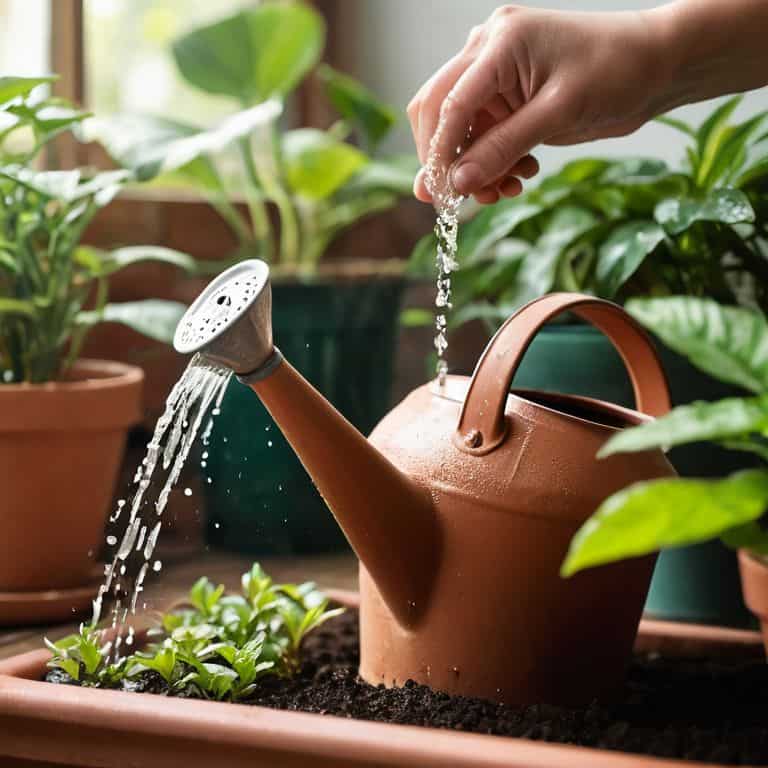
I still remember the day I killed my first plant due to overwatering – it was a devastating moment that made me realize the importance of mastering a guide to watering your plants correctly. The common myth that plants need to be watered daily is not only misleading but also harmful. In reality, the key to happy plants lies in understanding their unique needs and finding that sweet spot. As someone who’s passionate about making complex topics simple and fun, I’m excited to share my knowledge with you and help you become a plant whisperer.
In this article, I promise to provide you with honest and practical advice on how to water your plants correctly. You’ll learn how to identify the signs of overwatering and underwatering, and discover the best techniques for watering different types of plants. By the end of this guide, you’ll be equipped with the knowledge and confidence to keep your plants thriving. Whether you’re a seasoned gardener or a beginner, this guide is designed to be easy to follow and understand, with step-by-step instructions and valuable tips to ensure you’re giving your plants the best care possible.
Table of Contents
Guide Overview: What You'll Need
Total Time: 30 minutes to 1 hour
Estimated Cost: $0 – $20
Difficulty Level: Easy
Tools Required
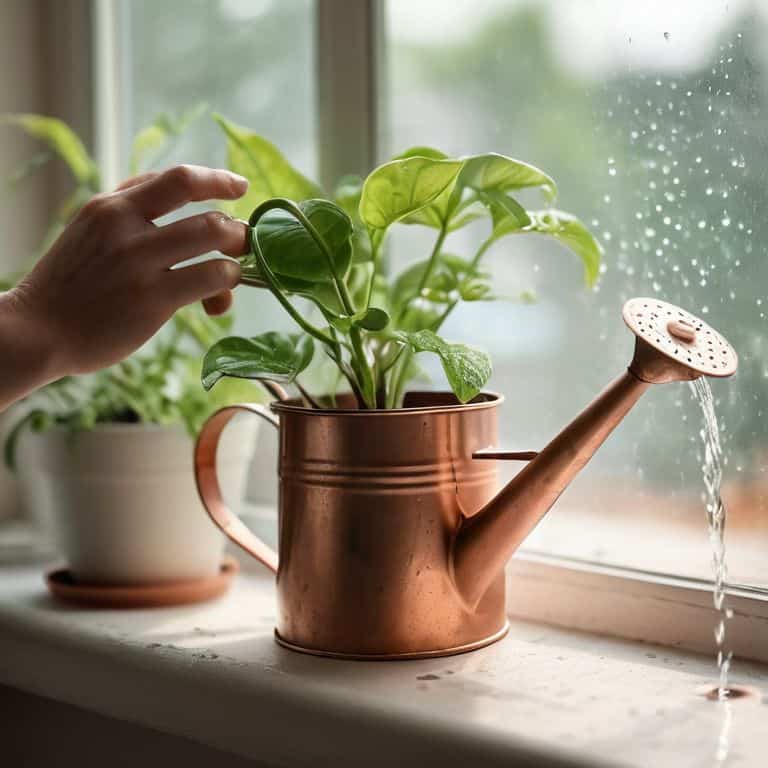
- Watering Can (or a cup)
- Moisture Meter (optional)
- Gardening Gloves (optional)
Supplies & Materials
- Water
- Plant Fertilizer (optional)
- Soil (for repotting)
Step-by-Step Instructions
- 1. First, let’s get started with understanding the watering needs of your plants. This involves checking the soil moisture by sticking your finger into the soil up to the first knuckle. If the soil feels dry, it’s time to water. If it’s already moist, you can wait another day or two before checking again. Remember, overwatering is just as harmful as underwatering, so it’s crucial to find that balance.
- 2. Next, you’ll need to gather your watering tools. This typically includes a watering can or a gentle hose with a spray nozzle. The key here is to deliver water in a way that mimics natural rainfall, helping the soil absorb the water evenly without causing erosion or washing away the soil’s top layer.
- 3. Now, let’s talk about the actual watering process. When you’re ready to water, make sure to water your plants thoroughly. This means watering until you see water coming out of the drainage holes in the pot, indicating that the soil is fully saturated. It’s essential to water in the morning, so the plants have the entire day to absorb the water.
- 4. After watering, take a moment to inspect your plants for any signs of water stress. This can include wilted leaves, yellowing, or dropping leaves. If you notice any of these symptoms, it might be a sign that you need to adjust your watering schedule. Keep in mind that different plants have different needs, so what works for one plant may not work for another.
- 5. To make watering easier and less prone to error, consider implementing a watering schedule. This can be as simple as marking the days you water on a calendar or setting reminders on your phone. Consistency is key when it comes to watering your plants correctly, and having a schedule can help ensure that you don’t forget or overwater your plants.
- 6. Another crucial step is to monitor the environmental conditions around your plants. Factors such as temperature, humidity, and light exposure can significantly affect how often your plants need water. For example, plants in hotter, drier environments may need more frequent watering than those in cooler, more humid areas.
- 7. Finally, don’t underestimate the power of mulching around your plants. Mulch helps retain moisture in the soil, reduces evaporation, and can even regulate soil temperature. By applying a layer of organic mulch around your plants, you can reduce the frequency of watering and create a more stable environment for your plants to thrive.
A Guide to Watering Your Plants Correctly
As you embark on your watering journey, it’s essential to consider the indoor plant watering schedule that works best for your plants. Most houseplants thrive when watered in the morning, allowing the plant to absorb the water throughout the day. However, succulents and cacti require a different approach, often preferring a more sporadic watering technique to prevent root rot. To ensure you’re providing the right amount of moisture, invest in a soil moisture meter, which can help you determine the perfect balance.
When it comes to watering techniques for succulents, it’s crucial to be mindful of their unique needs. These plants are prone to signs of overwatering, such as soft, mushy stems and yellowing leaves. To avoid this, make sure to water your succulents sparingly, allowing the soil to dry out completely between waterings. By adopting this approach, you’ll be rewarded with healthy, thriving plants that bring joy and beauty to your space.
To take your plant care to the next level, consider the best time of day to water plants. Watering in the morning allows the plant to absorb the water throughout the day, while avoiding the heat of the afternoon sun. By following these tips and being mindful of your plants’ unique needs, you’ll be well on your way to becoming a watering expert, and your plants will thank you with healthy growth and development.
Mastering Signs of Overwatering in Houseplants
Let’s dive into the often-overlooked world of overwatering. It’s a silent plant killer, but don’t worry, I’ve got your back. To rescue your plants from too much love, keep an eye out for yellowing leaves, soft stems, and water pooling around the base. These red flags signal that it’s time to reassess your watering schedule.
I like to think of it as finding the perfect balance – not too much, not too little. When you notice any of these signs, take a step back and let the soil dry out a bit before the next watering session. Your plants will thank you, and you’ll be one step closer to becoming a plant parenting pro.
Unlock Indoor Plant Watering Schedule Secrets
To unlock the secrets of an indoor plant watering schedule, let’s get down to business. I’ve found that creating a routine is key. Start by checking the soil moisture once a week, and adjust as needed. Consider the time of year, too – plants typically need more water during the sunny summer months and less in the cooler winter months.
By tuning into your plants’ unique needs, you’ll be able to establish a personalized watering schedule that works for you and your green friends. Remember, it’s all about finding that sweet spot and being consistent. With a little practice, you’ll be a pro at keeping your indoor plants happy and thriving.
5 Essential Tips to Water Your Plants Like a Pro
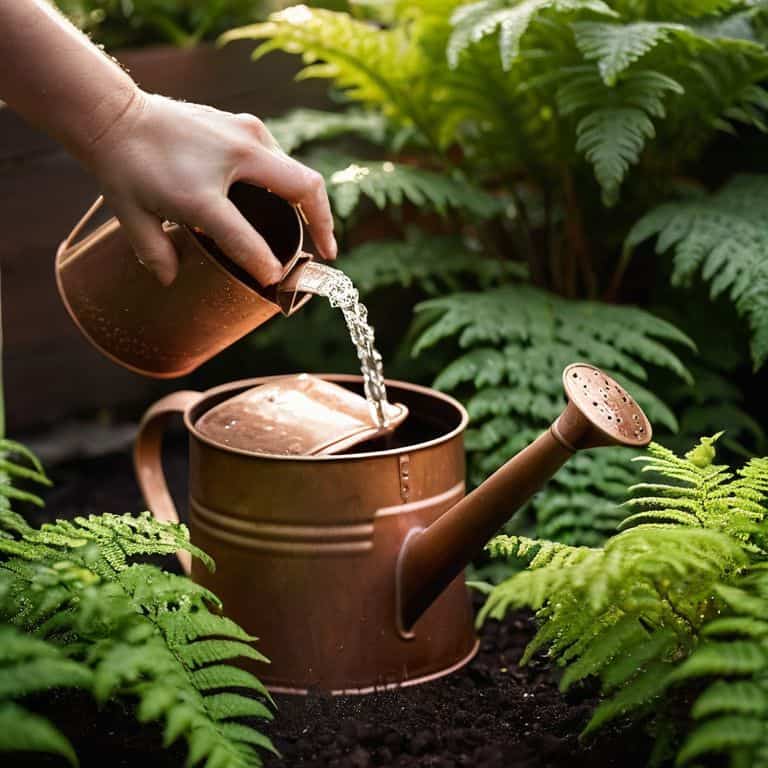
- Check the moisture level of the soil before watering by sticking your finger into the soil up to the first knuckle
- Water your plants in the morning to allow the plants to absorb the water throughout the day
- Use room temperature water to avoid shocking the roots of your plants with cold or hot water
- Water thoroughly but make sure not to overwater, as this can cause more harm than good to your plants
- Observe your plants for signs of underwatering or overwatering and adjust your watering schedule accordingly to ensure they receive the right amount of moisture
Key Takeaways for Happy Plants
Watering your plants is not a one-size-fits-all task – it’s about understanding your plant’s unique needs and finding that sweet spot
By mastering the signs of overwatering and creating a personalized indoor plant watering schedule, you’ll be well on your way to becoming a plant parenting pro
Remember, the journey to watering wisdom is all about observation, patience, and making adjustments along the way – don’t be too hard on yourself if you encounter a few bumps, and most importantly, have fun learning and growing with your plants
Nourishing Wisdom
Watering your plants is not just about quenching their thirst, it’s about understanding their unique rhythm and harmonizing with nature, one drop at a time.
Sophie Wallace
Bringing It All Together: Your Path to Plant Watering Mastery
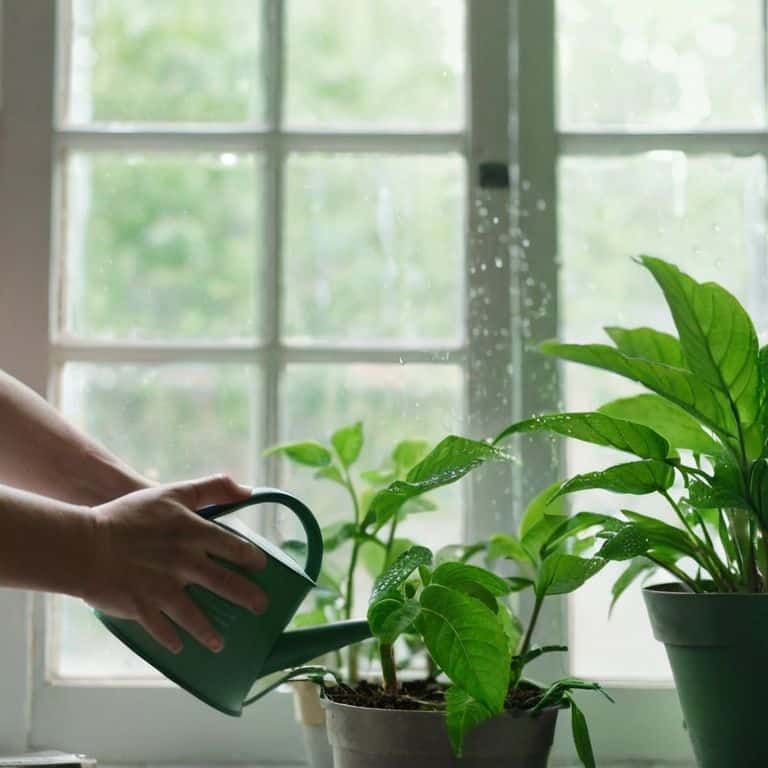
As we’ve journeyed through this guide to watering your plants correctly, you’ve learned the importance of understanding your plant’s specific needs, creating an indoor plant watering schedule, and recognizing the signs of overwatering. You’ve also discovered how to master the art of watering by paying attention to the moisture levels in the soil, the climate you’re in, and the time of year. By following these steps and being mindful of your plants’ unique requirements, you’ll be well on your way to becoming a plant parenting pro.
So, as you embark on this plant watering adventure, remember that it’s all about finding that sweet spot where your plants thrive. Don’t be too hard on yourself if you make mistakes along the way – they’re an opportunity to learn and grow. With time and practice, you’ll develop a green thumb and enjoy the many rewards that come with nurturing your plants. Happy planting, and don’t forget to have fun along the way!
Frequently Asked Questions
What are the most common mistakes people make when watering their plants?
Let’s face it, we’ve all been there – overwatering, underwatering, or just plain guessing. The top mistakes I see are watering on a fixed schedule, ignoring soil type, and not checking moisture levels. These missteps can lead to root rot, nutrient deficiencies, and a whole lot of plant stress.
How can I determine the exact watering needs of my specific plant species?
To determine your plant’s exact watering needs, start by researching its specific species. Check the plant’s tag, consult with a nursery expert, or look up its requirements online. You can also observe your plant’s behavior, noting when it wilts or perks up after watering. I like to think of it as getting to know your plant’s unique personality!
Are there any general rules of thumb for adjusting watering schedules during different seasons or weather conditions?
Let’s get seasonal – as a rule of thumb, I adjust my watering schedule according to the weather. In hotter months, I water more frequently, while in cooler months, I give my plants a break. I also keep an eye on humidity levels and adjust accordingly, because who doesn’t love a happy medium?