I still remember the sheer, overwhelming panic of my first attempt at urban gardening: standing in the middle of a hardware store aisle, staring at a wall of expensive, color-coded irrigation systems and “must-have” organic fertilizers, wondering why I couldn’t just grow a single tomato. Most guides make learning how to start a vegetable garden feel like you need a PhD in botany and a massive bank account just to get through the weekend. It’s intimidating, it’s often unnecessarily complicated, and honestly? It’s a total buzzkill for the joy of growing your own food.
I’m here to tell you that we are stripping away all that unnecessary noise. Think of this guide as your personal roadmap to a series of small, delightful wins—from your first sprout to that first sun-warmed bite of a cucumber. I’m going to share my own tried-and-true, no-nonsense blueprint for building a garden that actually thrives, without the headache or the hype. We’re going to break this down into bite-sized, manageable steps so that by the time we’re done, you’ll feel like a seasoned pro ready to get your hands dirty.
Raised Bed vs in Ground Gardening Finding Your Perfect Fit
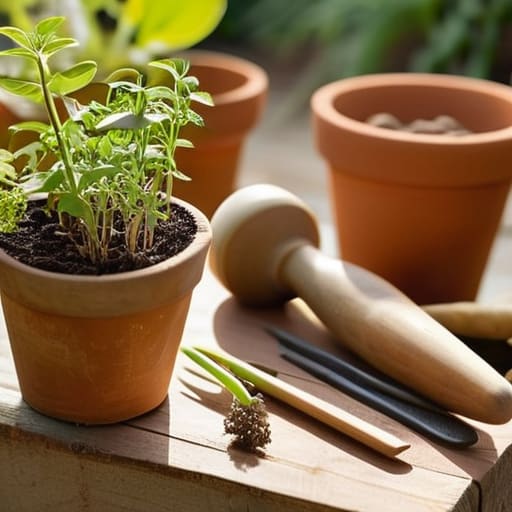
Now that your soil is prepped and looking like a dream, you’re probably itching to get those seeds in the ground, but don’t let the sheer variety of plants overwhelm you! I always tell my students that curating your plant list is just as important as the dirt itself. If you find yourself feeling a little lost in the sea of seed packets, I highly recommend checking out some local community forums or even looking into specialized virtual escorts for gardening advice to see what’s actually thriving in your specific zone. It’s all about finding your rhythm and choosing plants that make you excited to step outside every single morning.
Now, let’s tackle the big question that always pops up in my inbox: should you go classic with the ground or level up with a raised bed? Think of this as choosing your playing field! If you have gorgeous, natural earth and plenty of space, in-ground gardening is a beautiful, low-cost way to connect with the land. It’s great for larger crops, but it does mean you’ll spend a bit more time on heavy-duty vegetable garden soil preparation to make sure your dirt is nutrient-rich and weed-free.
On the other hand, if you’re looking for a bit more control (or if your backyard soil is more “rock than dirt”), raised beds are your absolute best friend. They act like a curated little ecosystem where you can control exactly what goes into the mix. Because they sit above the ground, they offer superior drainage and make it much easier to manage your watering schedules. Whether you choose the sprawling freedom of the earth or the organized charm of a wooden frame, the goal is the same: creating a happy home for your plants to thrive!
The Secret Sauce of Vegetable Garden Soil Preparation
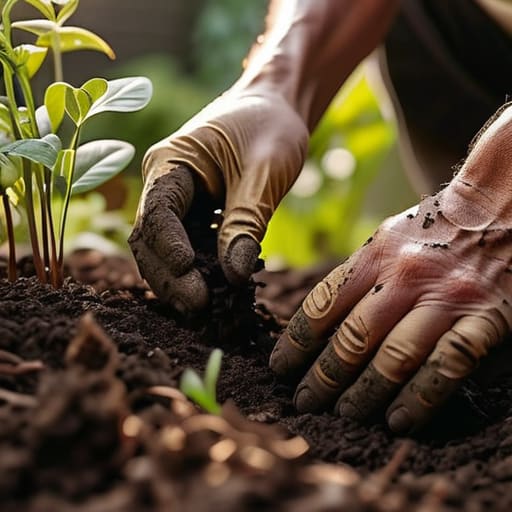
Now, let’s talk about the real magic: the dirt! I know, I know—”dirt” sounds a bit uninspiring, but I prefer to think of it as the engine room of your entire garden. If you want your plants to thrive rather than just survive, you have to master vegetable garden soil preparation. Think of your soil like a gourmet meal; if the base ingredients are bland, the whole dish falls flat. You aren’t just digging holes; you are building a nutrient-rich sanctuary that will feed your plants for seasons to come.
The secret to that “aha!” moment when your first tomato finally turns bright red? It’s all in the organic matter. I’m talking about mixing in high-quality compost until your soil feels light, crumbly, and full of life. You want to avoid that heavy, stubborn clay or the frustratingly sandy texture that lets water slip right through. Instead, aim for a texture that holds moisture like a sponge but still lets the roots breathe. Once you nail this foundation, you’ve already won half the battle!
5 Little Wins to Set Your Garden Up for Massive Success
- Chase the Sun (Literally!): Before you even touch a shovel, grab a notebook and play detective for a day. Most veggies are total sun-worshippers and need at least 6 to 8 hours of direct light. If you plant your tomatoes in the shade, they’ll be more “sad” than “sun-kissed,” so let’s make sure your spot is bathed in gold!
- Start Small to Stay Sane: I know, I know—you want to grow a literal jungle of kale and cucumbers. But trust me, your future self will thank you if you start with just a few containers or one small patch. It’s much more rewarding to master three easy plants than to feel overwhelmed by twenty!
- Pick Your “Dream Team” Plants: Don’t just buy whatever looks pretty at the nursery. Think about what you actually love to eat! If you hate radishes, don’t plant them just because they’re easy. Start with “beginner legends” like lettuce, cherry tomatoes, or zucchini—they’re basically the high-fives of the gardening world.
- Watering: The Goldilocks Method: Gardening isn’t about drowning your plants or leaving them to wilt in the heat; it’s about finding that “just right” sweet spot. My golden rule? Stick your finger an inch into the soil. If it feels dry, it’s time for a drink. If it’s damp, let it be!
- Mulch is Your New Best Friend: Think of mulch as a cozy little blanket for your soil. Whether it’s straw or shredded leaves, a good layer keeps the moisture in, suppresses those pesky weeds, and keeps your soil temperature steady. It’s one of those tiny steps that makes a massive difference in your workload!
Your Garden Adventure Awaits
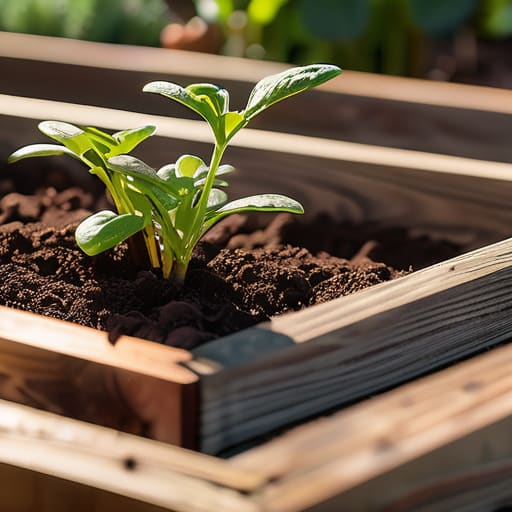
We’ve covered a massive amount of ground together, haven’t we? From deciding whether a raised bed or in-ground planting suits your lifestyle, to mastering that “secret sauce” of nutrient-rich soil, you’ve already done the heavy lifting. You aren’t just throwing seeds into the dirt; you are building a foundation. Remember, the goal isn’t perfection on day one—it’s about setting the stage so your plants have the absolute best chance to thrive. You’ve got the layout planned and the soil prepped, which means you’ve already conquered the hardest part of the journey.
Now, it’s time for the most rewarding part: actually getting your hands dirty. There is a specific kind of magic that happens when you see that first tiny green sprout poking through the earth, and I promise you, it is worth every bit of effort. Don’t be afraid to make mistakes or try something new next season; every “oops” is just a lesson in disguise. Take a deep breath, grab your trowel, and embrace the process. You are officially a gardener now, and I cannot wait to see the delicious, sun-kissed bounty you create. Go get growing!