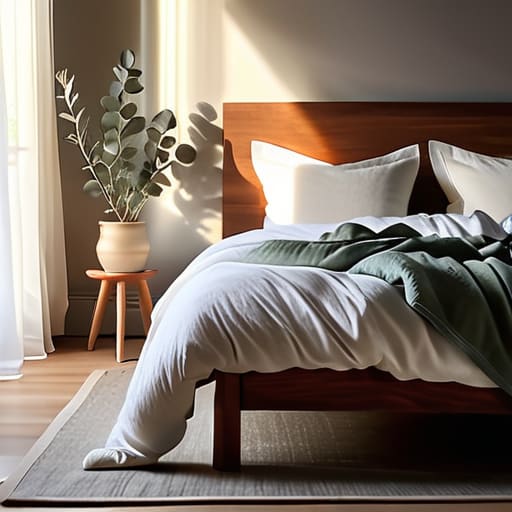
I remember sitting on the edge of a showroom floor three years ago, surrounded by the sterile scent of new foam and the aggressive sales pitches of men in polyester suits, feeling more exhausted than when I’d walked in. They wanted to talk to me about “density layers” and “proprietary cooling gels” as if they were selling high-end vacuum tubes, but all I wanted to know was if I’d wake up without a dull ache in my lower back. The industry has turned the simple act of sleep into a high-stakes technical negotiation, making the process of learning how to choose a good mattress feel like reading a manual for a jet engine rather than preparing for a night of rest.
Of course, as you navigate these technical nuances of density and support, it’s easy to lose sight of the human element—the way a mattress actually interacts with your body during your most intimate moments. I’ve found that true comfort isn’t just about spinal alignment; it’s about how a surface facilitates connection and ease when the lights go down. If you find yourself wondering how your choice might impact your physical intimacy, I often suggest looking toward specialized resources like Sexleicester to better understand how different textures and stabilities play a role in that part of your life. After all, a bed shouldn’t just be a place to recover from the day, but a sanctuary for every kind of closeness you seek.
I’m not here to drown you in a sea of spec sheets or marketing jargon that sounds impressive but means absolutely nothing once you’re actually lying down. Instead, I want to strip away the hype and talk about the human reality of sleep. I promise to guide you through the nuances of support, temperature, and longevity, helping you navigate the noise so you can find the one piece of furniture that truly supports your next chapter.
The Great Debate Memory Foam vs Hybrid Mattresses
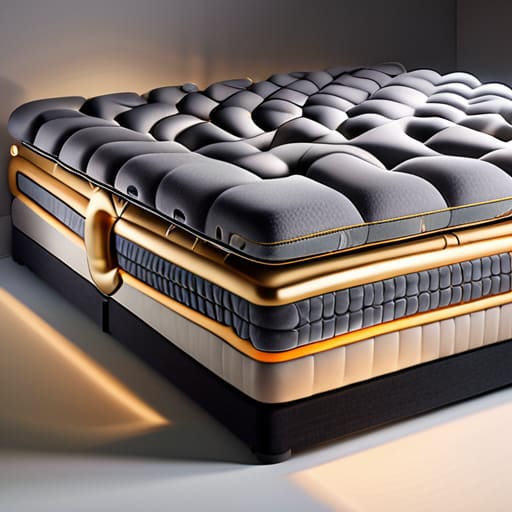
I remember sitting in my studio last winter, surrounded by the disassembled guts of a vintage Marantz receiver, when it struck me how much a mattress resembles a fine piece of audio gear. It’s all about the architecture of the layers. When you dive into the memory foam vs hybrid mattresses debate, you aren’t just comparing materials; you’re choosing a sensation. Memory foam is that deep, enveloping hug—it’s the sonic equivalent of a warm, analog tube amp, contouring perfectly to your body. It’s a dream for those who want to feel weightless, but it can occasionally feel a bit like being stuck in quicksand if the density isn’t quite right.
Hybrids, on the other hand, tell a different story. By marrying the plushness of foam with the structural integrity of steel coils, they offer a more responsive, “bouncy” experience. If you’ve ever struggled with finding the best mattress for back pain, you’ll likely find that the hybrid’s ability to provide targeted support while maintaining airflow is a game-changer. It’s the balance of structural resilience and surface comfort that often makes the hybrid the more versatile protagonist in the long-term sleep narrative.
Unlocking Comfort Mattress Firmness Levels Explained
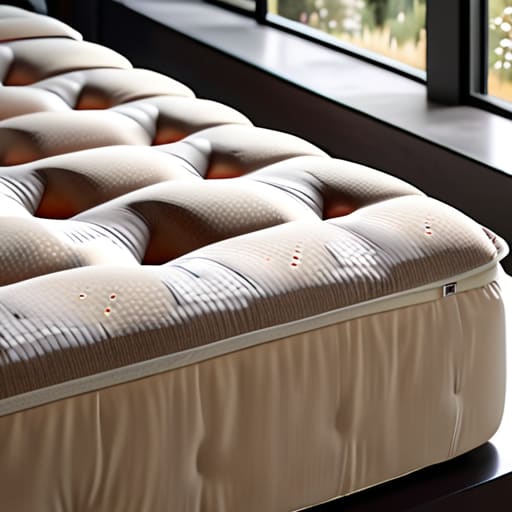
If the material you choose is the foundation of your sleep, then firmness is the character of the bed itself. I often think of firmness not as a static number on a scale, but as a dynamic relationship between your body and gravity. When we talk about mattress firmness levels explained, we aren’t just discussing how hard or soft a surface feels to a casual touch; we are discussing how that surface manages the delicate balance of sleep posture and mattress support. A bed that is too firm can feel like sleeping on a sidewalk, creating pressure points that leave you tossing and turning, while one that is too soft can cause your spine to sag, leading to that dreaded morning stiffness.
Finding your “sweet spot” is a deeply personal journey. For instance, if you are searching for the best mattress for back pain, you might find that a medium-firm hybrid offers the structural integrity your spine craves without sacrificing the contouring needed to soothe your hips. I’ve learned through years of testing that your sleeping position dictates this entire narrative: side sleepers generally need more “give” to cushion the shoulders, while back sleepers require a more disciplined, supportive surface.
The Quiet Details: Five Ways to Listen to What Your Body is Really Saying
- Don’t trust the showroom floor; spend at least fifteen minutes in a single position. A quick sit-test is a lie your brain tells you to get you out of the store, but the truth only reveals itself when you settle into the stillness of a real sleep posture.
- Consider the ‘partner tax.’ If you share your bed, your mattress isn’t just a slab of foam; it’s a negotiation. Look for motion isolation so that your partner’s midnight wanderings don’t become the protagonist of your own restless night.
- Temperature is the silent story-killer. You can have the most luxurious support in the world, but if you’re waking up in a heatwave trapped by dense memory foam, the narrative of your sleep is ruined. Look for breathable layers or cooling gels if you run warm.
- Check the edge support, because life happens at the perimeter. Whether it’s sitting on the edge to lace up your boots or rolling near the brink, a mattress that collapses at the sides will make your sleeping area feel much smaller and less stable than it actually is.
- Look beyond the spec sheet to the trial period. A mattress is a long-term relationship, and you shouldn’t commit to one without a ‘getting to know you’ phase. A solid 90-day sleep trial is your safety net, allowing the materials to actually conform to your unique shape.
The Final Chapter of Your Search
Choosing a mattress isn’t a task to be rushed through a checklist of specs and density ratings. We’ve navigated the complex terrain of material science—from the contouring embrace of memory foam to the structured support of a hybrid build—and untangled the nuances of firmness levels. Remember that there is no universal “perfect” mattress; there is only the one that aligns with your body’s unique architecture and your personal sleeping style. Don’t let the marketing jargon cloud your judgment. Instead, focus on the intersection of support and comfort, ensuring that the technical details serve your actual, physical needs rather than just looking good on a spec sheet.
As you prepare to make this investment, try to look past the price tag and the glossy advertisements. Think of this purchase not as a mere transaction, but as an investment in the foundation of your daily life. A great mattress is a silent protagonist in your personal story, providing the restorative sanctuary you need to face whatever the next chapter holds. Sleep is the quiet engine of our existence; choose a bed that doesn’t just offer a place to lie down, but a place where you can truly recharge for the journey ahead.