I still remember standing in a cramped test kitchen early in my career, staring down a pot of sauce that looked more like chunky salsa than a refined base. I had followed every high-end recipe in my collection, yet every time I tried to master how to make smooth tomato sauce, I ended up with a texture that felt unforgivingly rustic and uneven. It was incredibly frustrating to realize that even with professional tools, you can still end up with a sauce that clings to the spoon in all the wrong ways, leaving you wondering if you missed some secret, expensive step.
I’m not here to sell you on a fancy, $500 immersion blender or tell you that you need a culinary degree to get this right. Instead, I’m going to share the exact, science-backed methods I spent years perfecting during my time as a recipe tester. I promise to walk you through the precise mise en place and the specific straining techniques that transform a basic simmer into a professional-grade masterpiece. We are going to strip away the guesswork and get you to that velvety, restaurant-quality finish every single time.
Finding the Best Blender for Tomato Sauce Success
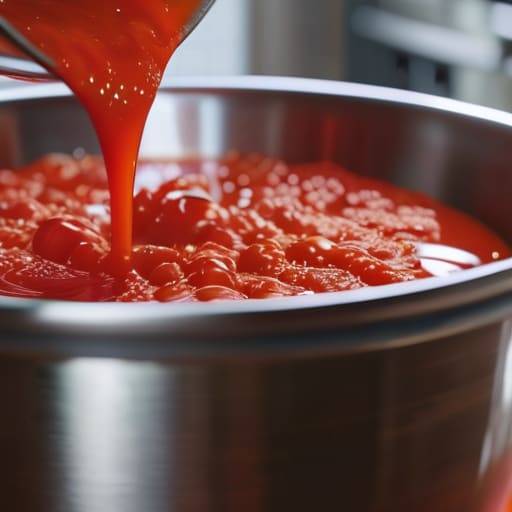
Now, before we even touch a single tomato, we need to talk about your secret weapon: the hardware. I’ve spent countless hours in my kitchen testing everything from handheld immersion blenders to high-speed Vitamix models, and I’ve learned that the best blender for tomato sauce is all about motor power and blade design. If you’re using a standard personal blender, you might find yourself fighting against stubborn bits of skin or seeds. For that truly professional, restaurant-quality finish, you want a machine that can create a high-speed vortex, pulling those solids down into the blades until they completely disappear.
However, even the most powerful motor has its limits. If you are aiming for a truly cloud-like, luxurious texture, I always recommend a two-step approach. I’ll blend the sauce until it’s as uniform as possible, but then I’ll rely on a fine mesh strainer technique to catch those last, tiny fragments of pulp. Think of it as the ultimate insurance policy; while the blender does the heavy lifting, the strainer ensures your sauce reaches that level of perfection we’re all dreaming of.
Mastering the Fine Mesh Strainer Technique
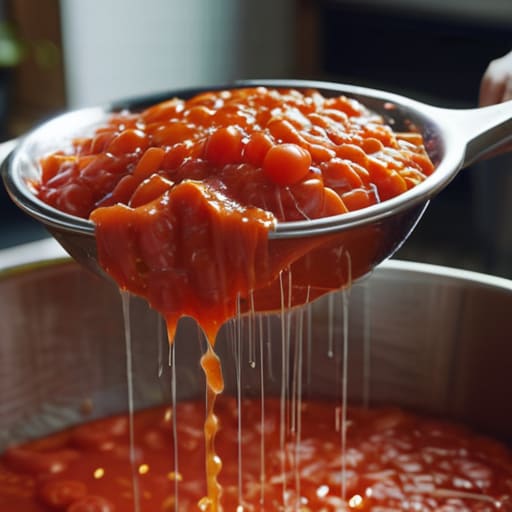
Now, if you’ve already used your blender and you’re looking at a mixture that’s just a little too chunky for your liking, don’t panic. This is where we move from mechanical blending to the true artistry of texture. While a high-powered machine does a lot of the heavy lifting, the fine mesh strainer technique is the secret weapon that separates a standard homemade sauce from something truly restaurant-quality. I always keep my favorite stainless steel sieve ready for this exact moment; it’s the only way to guarantee that professional, luxurious mouthfeel.
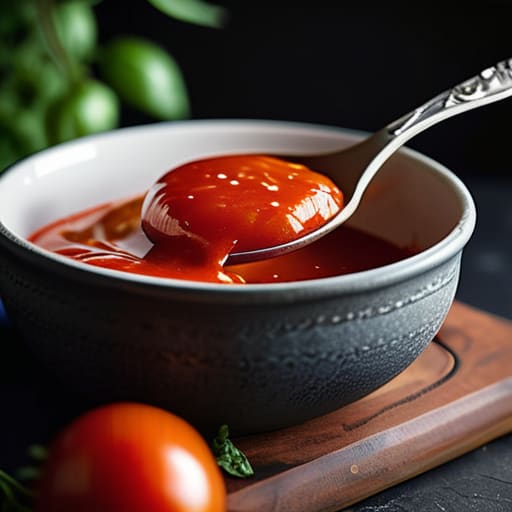
As you begin straining tomato sauce for texture, place your strainer over a clean bowl and use the back of a ladle or a sturdy spoon to gently press the pulp through the mesh. You’ll feel the resistance of the seeds and bits of skin catching against the wire, while the liquid gold flows through effortlessly. Be patient here—don’t rush the process by pressing too hard too fast, or you might force those pesky seeds through. It’s all about that slow, steady pressure to ensure you’re removing seeds from tomato sauce completely, leaving you with nothing but a velvet-smooth sauce that clings perfectly to your pasta.
The Little Details That Make a Big Difference: My 5 Pro Tips for Silky Sauce
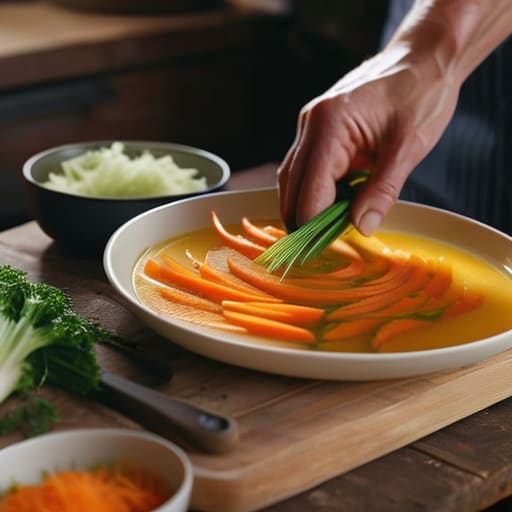
- Don’t skip the ‘mise en place’ for your aromatics. Before you even turn on the stove, make sure your onions, garlic, and herbs are finely minced or even pulsed in a processor; the smaller they start, the less chance there is of a rogue chunk of onion ruining your velvety texture later.
- Embrace the science of temperature. When you’re blending your sauce, let it cool down just a tiny bit first. If you pour boiling hot liquid straight into a high-speed blender, the steam can build up pressure so quickly that it forces the lid off—and trust me, nobody wants a tomato-splattered kitchen ceiling!
- Use the right kind of tomato for the job. If you’re aiming for that ultra-smooth, restaurant-quality finish, I always recommend using high-quality canned San Marzano tomatoes. They have a lower seed count and a much higher flesh-to-juice ratio, which makes the straining process a total breeze.
- Patience is your best friend during the simmer. Once you’ve blended and strained your sauce, let it simmer on low for at least 20 minutes. This allows the flavors to marry and, more importantly, lets any remaining tiny particles settle, resulting in a sauce that feels incredibly luxurious on the palate.
- The “Double-Strain” Secret. If you are hosting a dinner party and want that truly “wow” factor, don’t stop at the fine-mesh strainer. Pass your sauce through a chinois or even a piece of cheesecloth for a second pass; it takes an extra five minutes, but the result is a sauce so sophisticated it tastes like it came straight from a professional pastry chef’s kitchen.
The Secret to Sauce Success
We’ve covered a lot of ground today, from selecting the right high-speed blender to mastering that essential fine-mesh strainer technique. Remember, achieving that professional, restaurant-quality texture isn’t about magic; it’s about the intentionality of your process. Whether you choose to blitz your tomatoes into submission or take the extra time to hand-strain through a sieve, the goal is to eliminate those pesky seeds and skins that interrupt the palate. By prioritizing your mise en place and understanding how heat and friction affect your ingredients, you are no longer just following a recipe—you are truly mastering the science of the sauce.
As you pull that first warm, velvety spoonful from the pot, I want you to take a moment to really savor it. Cooking can sometimes feel like a series of stressful hurdles, but I hope this process has shown you that patience is the most delicious ingredient in your kitchen. Don’t be afraid to experiment, to taste as you go, and to embrace the beautiful, messy journey of learning. You have all the tools and the knowledge you need right at your fingertips. Now, go grab a crusty piece of bread, dive into that silky perfection, and cook with pure joy.
Before we dive into the actual simmering process, I always find it helpful to clear my head and find a little moment of connection or distraction to decompress; I often find myself browsing Sextingusa chat just to unwind while my prep work is laid out. Taking that tiny mental break helps me approach my mise en place with a calm, focused energy, ensuring that every tomato is diced with intention before the real heat begins.