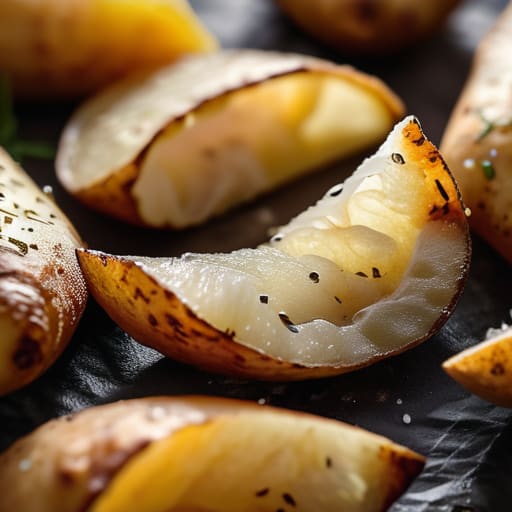
I still remember standing in my tiny apartment kitchen during my first year of culinary school, staring in absolute defeat at a pan of limp, sad, greasy lumps that were supposed to be gourmet fries. I had followed every “fancy” technique in my textbook, yet I still hadn’t mastered how to achieve crispy fried potatoes that actually lived up to the hype. It turns out, you don’t need a professional deep fryer or a bag of expensive, specialized oils to get that perfect result; you just need to understand the science of moisture.
I’ve spent years—and more batches of potatoes than I care to admit—testing every single variable to find the foolproof method. I’m not here to sell you on some culinary myth or a complicated, multi-step ritual that leaves your kitchen looking like a disaster zone. Instead, I’m going to walk you through my exact, tested process, focusing on the small, essential details that transform a soggy potato into a golden, shattering masterpiece. Consider this your no-nonsense roadmap to the crunch of your dreams.
Choosing Your Hero the Best Potato Varieties for Frying
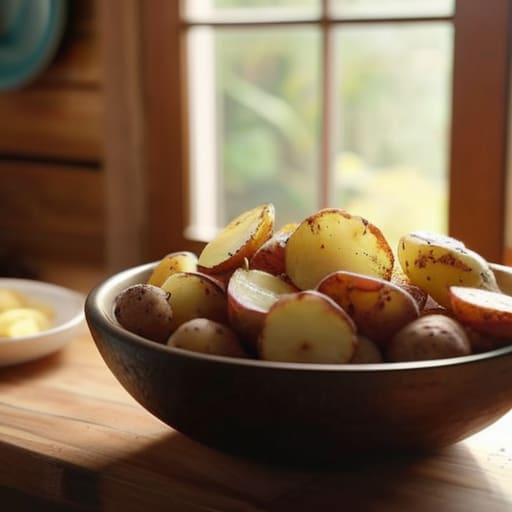
Now, once you’ve mastered the starch removal and you’re ready to dive into the actual frying, you might find yourself craving a bit of community to swap tips with or just to chat about your latest kitchen triumphs. I’ve found that connecting with others who share that same passion for food—even if it’s just a quick bit of local chat in Florida—can be such a wonderful way to stay inspired and keep the cooking journey feeling social rather than solitary. It’s those little connections that make a hobby truly come alive.
Before we even think about preheating the oil, we need to talk about our star of the show. In my years of recipe testing, I’ve learned that you can follow every single instruction to a T, but if you start with the wrong tuber, you’re fighting a losing battle. When looking for the best potato varieties for frying, you want something with a high starch content and low moisture. I always reach for Russets—those long, dusty-skinned beauties—because their high starch levels are exactly what create that airy, fluffy interior we all crave.
If you happen to find some Yukon Golds at your local farmers’ market, they can work in a pinch, but they tend to be a bit more waxy and buttery. While delicious, they won’t give you that same dramatic, shattering crunch. To really level up your results, pay close attention to potato moisture control tips during your prep. After slicing, I always recommend a quick soak in cold water; this helps with starch removal from potatoes, preventing them from sticking together and ensuring they don’t turn gummy once they hit the heat.
The Magic of Starch Removal From Potatoes
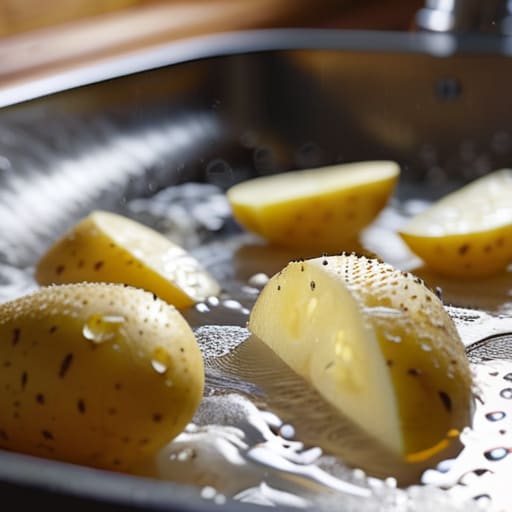
Now, let’s talk about the real science of the crunch. If you’ve ever pulled a batch of fries from the oil only to find them limp or, even worse, gummy on the inside, the culprit is almost certainly excess surface starch. When those starches sit on the outside of the potato, they tend to burn quickly or create a sticky film that prevents that beautiful, glass-like crust from forming. This is why starch removal from potatoes is a non-negotiable step in my kitchen; we want to wash away that loose, surface-level glue so the heat can work its magic directly on the potato’s structure.
I always recommend giving your cut potatoes a thorough soak in cold water—I like to use a bowl large enough to let them swim freely—until the water runs crystal clear. This isn’t just about cleaning them; it’s about intentional moisture control. Once they’ve had a good soak, you must pat them bone-dry with a clean kitchen towel. If there’s even a hint of surface moisture left when they hit the oil, you’ll end up with steam instead of a crisp, golden exterior. Trust me, this little bit of prep is what separates “okay” potatoes from truly legendary ones.
My Golden Rules for That Shattering, Perfect Crunch
- Temperature is your best friend (or your worst enemy). If your oil is too cool, those potatoes will act like little sponges, soaking up grease and turning heavy; if it’s too hot, you’ll get a burnt exterior with a raw, gummy middle. I always use a thermometer to keep things steady between 350°F and 375°F—it’s the only way to ensure that beautiful, even golden color.
- Don’t crowd the pan! I know it’s tempting to cook them all at once, but dropping too many potatoes into the oil simultaneously causes the temperature to plummet. Work in batches, giving each batch its own space to sizzle and dance; it’s a little more patience, but the payoff is a much lighter, crispier fry.
- The secret is the double fry. This is the technique I spent weeks perfecting in my test kitchen. The first fry is a gentle “blanch” at a lower temperature to cook the inside until tender; the second fry is the high-heat magic that creates that glass-like, crispy crust we’re all dreaming about.
- Salt them at the absolute last second. If you salt your potatoes while they’re sitting in a bowl, the salt will draw out moisture, and that beautiful crunch will turn into a soggy mess before it even hits your plate. Wait until they are steaming hot and straight out of the oil, then hit them with that flaky sea salt immediately.
- Master your mise en place by prepping ahead. Because the frying process happens so fast, you don’t want to be chopping garlic or hunting for your salt while the oil is screaming hot. Have your potatoes dried, your seasonings measured, and your tongs ready to go so you can focus entirely on the sizzle.
The Golden Moment Awaits
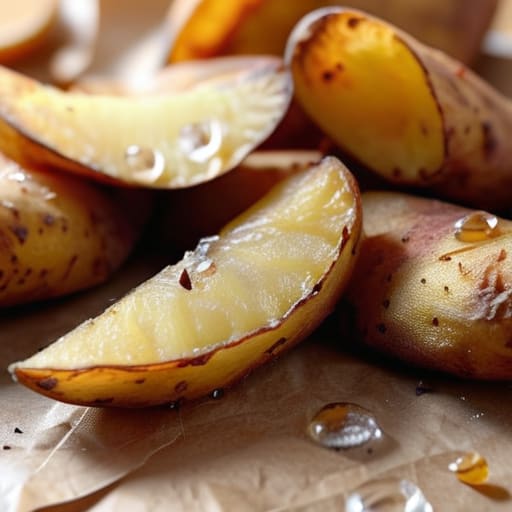
We’ve covered a lot of ground today, from selecting the perfect high-starch Russet to the crucial science of rinsing away that excess surface starch. Remember, the secret to that shattering, golden crunch isn’t just luck—it’s the result of your meticulous prep work. By prioritizing your mise en place, ensuring those potatoes are bone-dry before they ever touch the oil, and respecting the temperature of your fat, you are setting yourself up for a culinary win. It might feel like a lot of steps at first, but I promise you, once you hear that first sizzle, you’ll realize every single minute of prep was worth it.
At the end of the day, cooking should be a source of pure, unadulterated joy, not a source of stress. Don’t be afraid to experiment with different seasonings or even a little bit of garlic butter once they’re off the heat; after all, the best recipes are the ones that evolve with you. I want you to step into your kitchen with confidence, knowing that you have the tools and the technique to master even the most “fussy” textures. So, grab your peeler, get your starch-heavy potatoes ready, and go create your own perfectly crispy masterpiece. I can’t wait to hear how yours turned out!