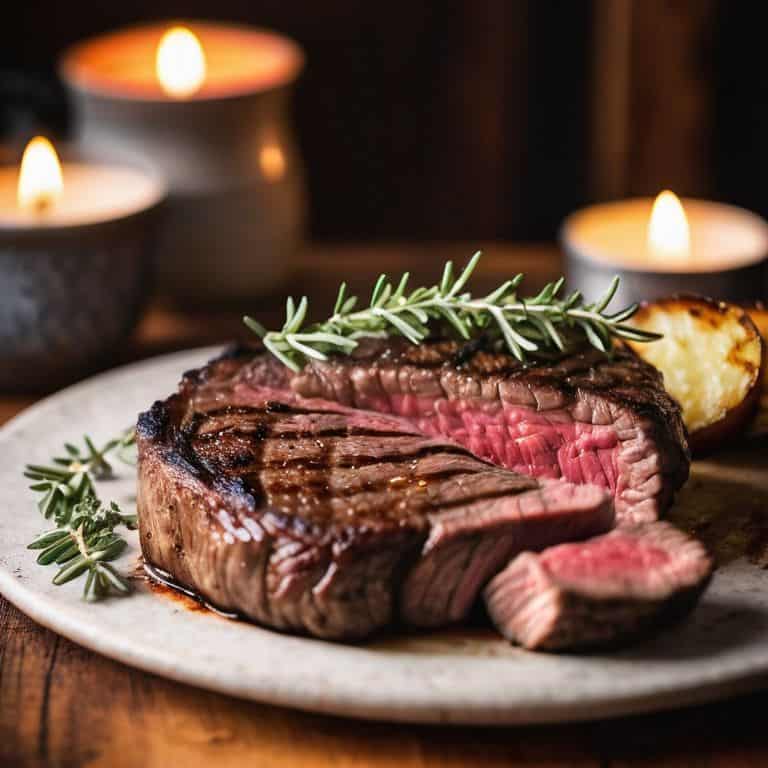
I still remember the first time I attempted to cook a perfect steak – it was a disaster. The outside was charred, while the inside was raw, and I was left wondering what had gone wrong. It wasn’t until I started working as a recipe tester for a major food magazine that I discovered the secret to a truly exceptional steak. The common myth that you need to constantly flip the steak to achieve perfection is simply not true. In fact, it’s often the simplest techniques that yield the best results when it comes to how to cook a perfect steak.
As someone who’s spent years perfecting their craft, I’m excited to share my knowledge with you. In this article, I’ll walk you through the step-by-step process of cooking a perfect steak, from preparing the meat to plating the final dish. You’ll learn how to achieve a perfectly cooked steak every time, without any guesswork or stress. My goal is to empower you with the skills and confidence to create a truly restaurant-worthy steak in the comfort of your own home. By the end of this guide, you’ll be equipped with the practical advice and no-nonsense techniques needed to become a steak-cooking master.
Table of Contents
Guide Overview: What You'll Need
Total Time: 45 minutes to 1 hour
Estimated Cost: $15 – $30
Difficulty Level: Intermediate
Tools Required
- Cast Iron Skillet or other oven-safe skillet
- Tongs for flipping steak
- Oven Mitts for handling hot skillet
- Meat Thermometer for checking internal temperature
Supplies & Materials
- Steak preferably 1 to 1.5 inches thick, such as Ribeye or Filet Mignon
- Olive Oil for coating steak
- Salt for seasoning
- Pepper for seasoning
- Butter optional, for adding flavor
Step-by-Step Instructions
- 1. First, let’s start by selecting the perfect steak for our culinary masterpiece. I always look for a high-quality cut of meat, preferably a ribeye or a strip loin, with a good balance of marbling to ensure tenderness and flavor. When you’re at the butcher or grocery store, take a moment to inspect the steak and choose one that’s evenly colored and has a nice sheen to it.
- 2. Next, it’s essential to bring your steak to room temperature before cooking. This might seem like a minor detail, but trust me, it makes a huge difference in the final result. Remove the steak from the refrigerator and let it sit on the counter for about 30-45 minutes, allowing the meat to relax and become more receptive to cooking. This step is all about temperature control, and it’s crucial for achieving a perfect sear.
- 3. Now, let’s talk about seasoning. I like to keep things simple with a mixture of salt, pepper, and a pinch of sugar. Yes, you read that right – sugar! It helps to caramelize the crust and adds a depth of flavor that’s hard to replicate with other ingredients. Sprinkle your seasoning mixture evenly over both sides of the steak, making sure to coat it thoroughly.
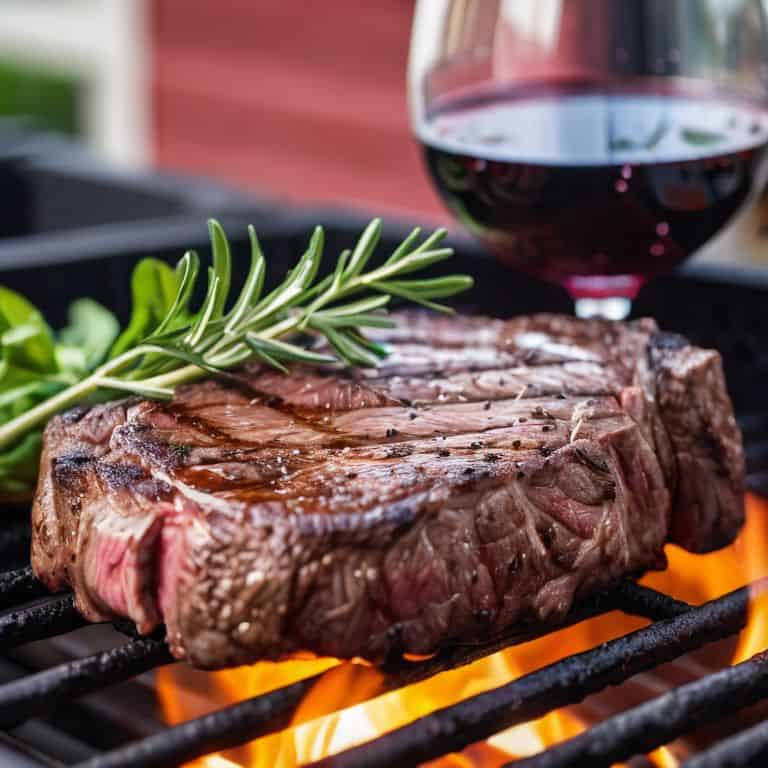
- 4. With our steak seasoned and ready to go, it’s time to heat up the skillet. I recommend using a cast-iron or stainless steel pan, as they retain heat beautifully and can achieve a scorching hot temperature that’s perfect for searing. Add a small amount of oil to the pan and let it heat up over high heat for about 2-3 minutes, or until it starts to shimmer and smoke slightly.
- 5. Now it’s time to add the steak to the pan. Place it gently in the center of the skillet, away from you, to avoid any hot oil splashing back. You should immediately hear a satisfying sizzle as the steak hits the pan, and you’ll start to see a beautiful crust forming on the surface. Let the steak cook for 3-4 minutes on the first side, or until it develops a nice sear, then flip it over and cook for an additional 3-4 minutes on the second side.
- 6. While the steak is cooking, let’s prepare our aromatic flavors. I like to use a mixture of garlic, thyme, and rosemary to add a savory, slightly herbal flavor to the steak. Simply chop the herbs finely and mix them with a few cloves of minced garlic. Once the steak is done cooking, you can brush the aromatic mixture evenly over the surface, allowing the flavors to meld together.
- 7. Finally, it’s time to let the steak rest. This is perhaps the most crucial step in the entire process, as it allows the juices to redistribute and the meat to relax, making it incredibly tender and juicy. Remove the steak from the pan and place it on a wire rack or plate, covering it with foil to retain heat. Let it rest for 5-10 minutes before slicing and serving, and get ready to enjoy the most perfect steak of your life!
Unlock Perfect Steak Secrets
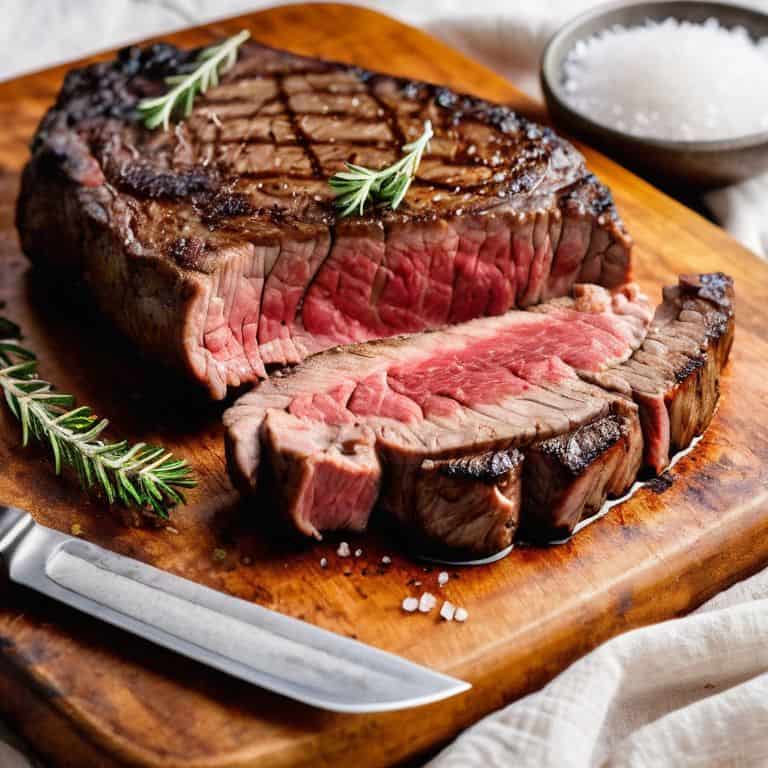
To take your steak game to the next level, it’s essential to understand the importance of steak cuts. Not all cuts are created equal, and some are better suited for grilling than others. For beginners, I recommend starting with a ribeye or sirloin, as they are more forgiving and offer a great balance of flavor and tenderness. When it comes to steak cooking techniques for beginners, it’s all about keeping it simple and focusing on the basics.
One of the most critical factors in achieving a perfect steak is understanding steak doneness levels. This can be a bit tricky, but don’t worry, with practice, you’ll become a pro at determining the perfect level of doneness. I always recommend using a meat thermometer to ensure accuracy. Additionally, steak marinade recipes for tenderization can be a great way to add extra flavor and moisture to your steak. A good marinade can make all the difference in the world, and I’ll be sharing some of my favorite recipes in future posts.
When it comes to serving your perfectly cooked steak, the possibilities are endless. I love experimenting with different steak serving ideas with sauces, from classic Béarnaise to more adventurous options like chimichurri. The key is to find a sauce that complements the natural flavor of the steak without overpowering it. By following these tips and practicing your indoor steak cooking methods, you’ll be well on your way to becoming a steak master.
Best Cuts and Marinades for Perfection
When it comes to achieving perfection, the cut and marinade of your steak are crucial. I always recommend opting for high-quality cuts like ribeye or filet mignon, as they offer tenderness and rich flavor. For a truly unforgettable experience, try marinating your steak in a mixture of olive oil, garlic, and herbs like thyme or rosemary. This will not only add depth to your steak but also create a beautiful, caramelized crust when cooked.
By combining the right cut with a thoughtful marinade, you’ll be well on your way to creating a steakhouse-worthy dish in the comfort of your own home. Experiment with different marinade ingredients to find your perfect blend – and don’t be afraid to get creative!
Steak Cooking Techniques for Beginners
As a beginner, it’s essential to grasp the fundamentals of steak cooking techniques. I always emphasize the importance of understanding the different cooking methods, such as grilling, pan-searing, and oven roasting. Each technique requires a unique approach to achieve that perfect sear and tender interior. By mastering these techniques, you’ll be able to confidently cook a steak that’s tailored to your taste preferences.
For those just starting out, I recommend beginning with pan-searing, as it allows for a nice crust to form on the steak while cooking it to the desired level of doneness. Remember, practice makes perfect, so don’t be discouraged if your first few attempts don’t turn out exactly as you hoped – with time and patience, you’ll develop the skills to cook a truly exceptional steak.
Sizzling to Perfection: 5 Essential Tips for a Mouth-Watering Steak
- Choose the Right Cut: Opt for high-quality steaks with a good balance of marbling, tenderness, and flavor, such as ribeye or filet mignon
- Bring Steak to Room Temperature: Remove the steak from the refrigerator and let it sit at room temperature for about 30-45 minutes before cooking to ensure even cooking
- Season with Intent: Generously season the steak with a blend of salt, pepper, and any other desired spices or herbs, making sure to coat it evenly for maximum flavor
- Use the Right Cooking Technique: Whether you prefer grilling, pan-searing, or oven broiling, make sure to cook the steak using a technique that suits your cut and desired level of doneness
- Don’t Press Down: Resist the temptation to press down on the steak with your spatula while it’s cooking, as this can squeeze out juices and result in a tough, dry steak – instead, let it cook undisturbed for a few minutes on each side
Key Takeaways for a Perfect Steak
Always bring your steak to room temperature before cooking to ensure even cooking and a perfect sear
Use a cast-iron or stainless steel pan, as these retain heat well, and finish with a compound butter for added flavor
Let your steak rest for 5-10 minutes after cooking to allow the juices to redistribute, resulting in a tender and mouth-watering final product
The Secret to Steak Perfection
A perfect steak is not just about the cut or the cooking time, it’s about understanding the harmony between heat, technique, and patience – when you master this balance, every bite is a testament to the magic that happens in the kitchen.
Julia Ashwood
Bringing It All Together: The Perfect Steak
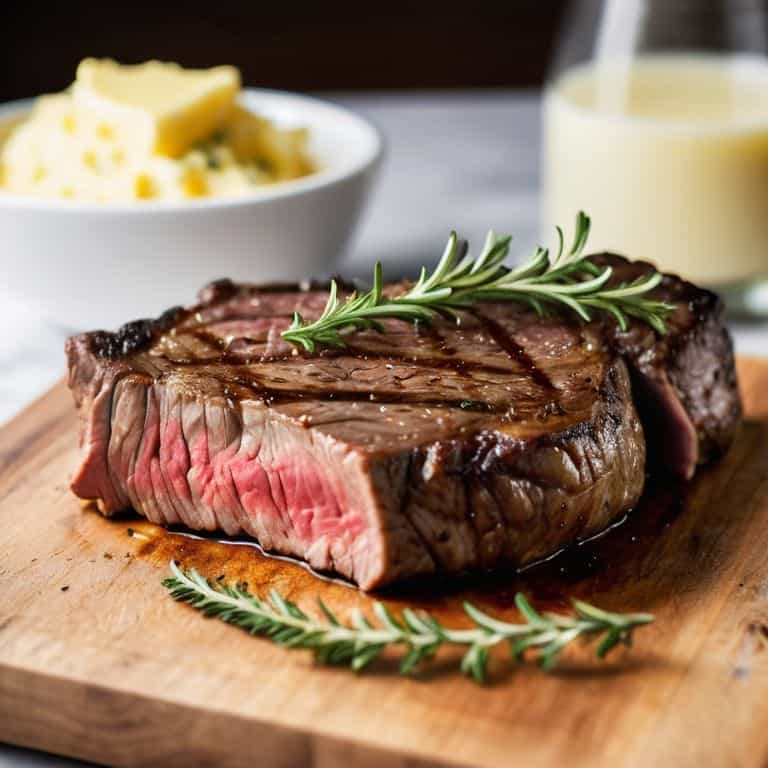
As we’ve explored the world of steak cooking, from the initial steps to the finishing touches, it’s clear that achieving perfection is within reach. We’ve discussed the importance of steak selection, understanding the different cuts and how they respond to various cooking methods. Additionally, we’ve touched upon the art of marinades and the science behind even heating, ensuring your steak is cooked to your desired level of doneness. By mastering these elements and following the step-by-step guide, you’re well on your way to becoming a steakhouse chef in your own kitchen.
Now, as you embark on your steak-cooking journey, remember that practice makes perfect, and experimentation is key. Don’t be afraid to try new cuts, techniques, and marinades. With each attempt, you’ll refine your skills, and soon, you’ll be able to achieve a perfectly cooked steak every time. The joy of cooking lies not just in the end result, but in the process itself – the sizzle, the aroma, and the satisfaction of creating something truly delicious. So, go ahead, fire up your grill or skillet, and let the steakhouse secrets you’ve unlocked guide you to a culinary masterpiece.
Frequently Asked Questions
What is the ideal internal temperature for a perfectly cooked steak?
For a perfectly cooked steak, the ideal internal temperature varies depending on your desired level of doneness. I recommend aiming for 130°F – 135°F for medium-rare, 140°F – 145°F for medium, and 150°F – 155°F for medium-well. Remember, it’s all about precision, so invest in a good meat thermometer to ensure you hit the mark every time!
How do I prevent my steak from becoming tough or overcooked?
To prevent toughness or overcooking, make sure to not overhandle the steak, and cook it to the right internal temperature. Use a meat thermometer to check for doneness, and let the steak rest before slicing. This allows the juices to redistribute, ensuring a tender and juicy result every time.
Can I achieve a perfect steak without using a grill or broiler, such as in a skillet on the stovetop?
Absolutely, you can achieve a perfect steak without a grill or broiler. I love cooking steaks in a skillet on the stovetop – it’s one of my favorite methods. Simply heat a cast-iron or stainless steel skillet over high heat, add a small amount of oil, and sear your steak for 3-4 minutes per side, depending on the thickness and your desired level of doneness.