I still remember the first time I tried to set up a smart plug in my home – it was a frustrating experience, to say the least. The best smart plugs for beginners were supposed to make my life easier, but the instructions that came with them were vague and left me feeling like I needed a degree in computer science to get them working. The common myth that you need to be a tech expert to use smart plugs is simply not true – and that’s what I want to debunk in this article. With a little patience and the right guidance, anyone can start using smart plugs to simplify their daily routine.
In this article, I’ll walk you through the process of choosing and setting up the best smart plugs for beginners, and provide you with practical tips on how to get the most out of them. I’ll share my own experiences, and give you a step-by-step guide on how to avoid common pitfalls and get started with smart plugs in no time. My goal is to make you feel confident and in control of your technology, and to show you that setting up smart plugs can be a stress-free experience. By the end of this article, you’ll be well on your way to creating a smarter, more convenient home.
Table of Contents
- Guide Overview: What You'll Need
- Step-by-Step Instructions
- Best Smart Plugs for Beginners
- 5 Essential Tips for Choosing the Best Smart Plugs as a Beginner
- Key Takeaways for a Seamless Smart Plug Experience
- Empowering Your Smart Home Journey
- Embracing the Future of Smart Home Technology
- Frequently Asked Questions
Guide Overview: What You'll Need
Total Time: 1 hour 15 minutes
Estimated Cost: $20 – $50
Difficulty Level: Easy
Tools Required
- Smartphone (for setup and control)
- Computer (optional for advanced settings)
Supplies & Materials
- Smart Plug Devices (choose from popular brands like TP-Link, Belkin, or Amazon)
- Power Strip (recommended for multiple smart plugs)
- Stable Internet Connection (required for smart plug functionality)
Step-by-Step Instructions
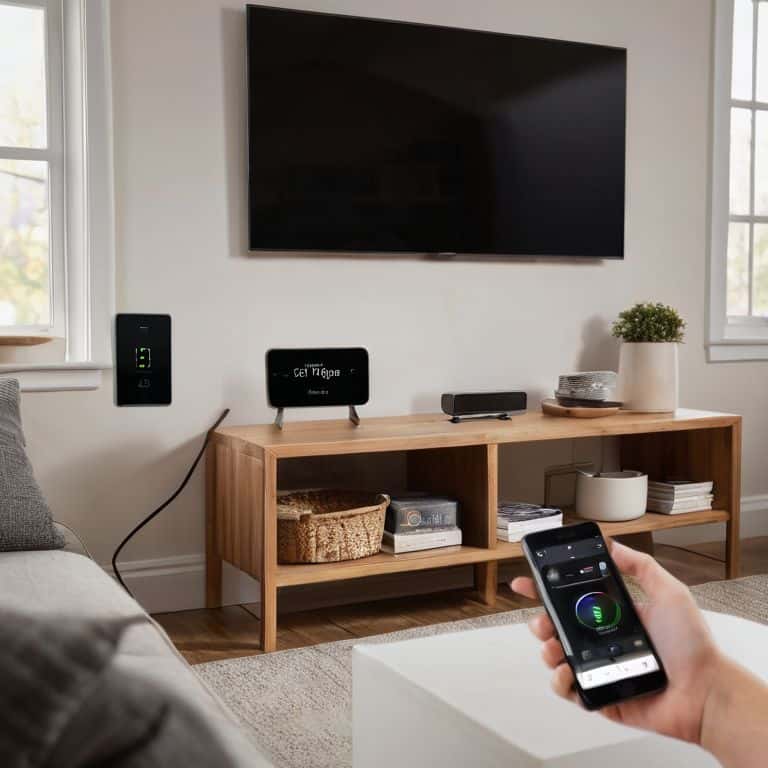
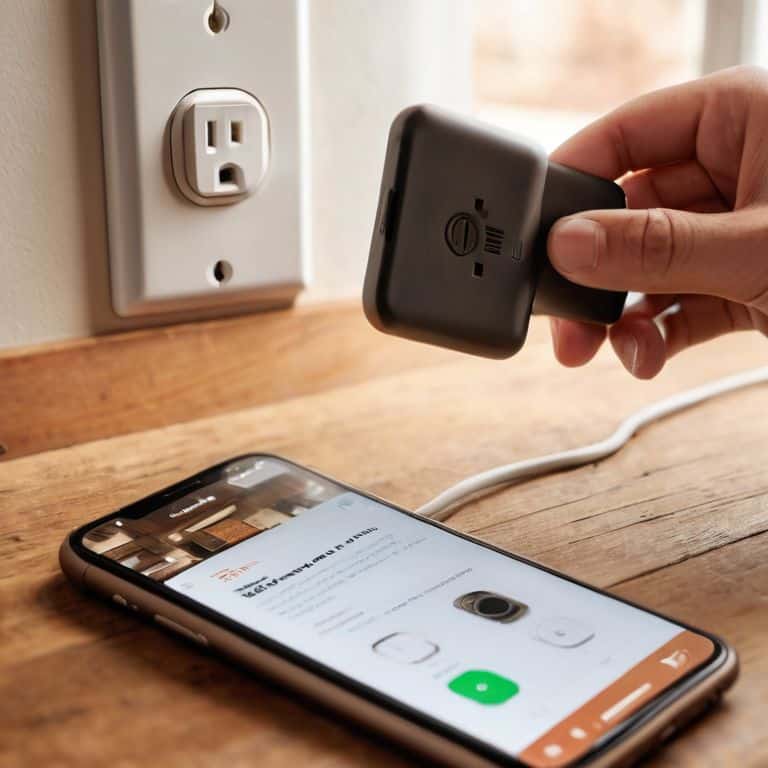
- 1. First, let’s start by understanding what a smart plug is and how it can make our lives easier. A smart plug is a device that can be plugged into a wall outlet and then has another outlet on it where you can plug in any device, such as a lamp or a coffee maker. The key benefit of a smart plug is that it allows you to control the device that’s plugged into it remotely, using your smartphone or voice assistant.
- 2. Next, we need to consider the different types of smart plugs available on the market. There are plugs that work with Wi-Fi, others that work with Bluetooth, and some that work with both. For beginners, I recommend starting with a Wi-Fi enabled smart plug, as they are generally easier to set up and use. When choosing a smart plug, make sure to check its compatibility with your smartphone or voice assistant.
- 3. Now that we’ve decided on the type of smart plug we want, let’s talk about the features we should look for. Some smart plugs come with scheduling features, which allow you to set specific times for your devices to turn on or off. Others come with energy monitoring features, which can help you track how much energy your devices are using. Consider what features are most important to you and choose a smart plug that meets your needs.
- 4. Once we’ve purchased our smart plug, it’s time to set it up. The first step is to download the accompanying app on our smartphone. The app will guide us through the setup process, which usually involves connecting the smart plug to our Wi-Fi network and then pairing it with our device. Be patient, as this process can take a few minutes, and make sure to follow the step-by-step instructions carefully.
- 5. After setting up our smart plug, we can start exploring its features. We can use the app to turn our devices on or off remotely, set schedules, and monitor energy usage. Some smart plugs also come with voice control features, which allow us to control our devices using voice commands. Experiment with the different features to find out what works best for you and your lifestyle.
- 6. As we get more comfortable using our smart plug, we can start to automate our home. We can set up routines that turn our devices on or off at specific times, or when we leave or enter our home. We can also integrate our smart plug with other smart devices in our home, such as lights or thermostats, to create a seamless and connected experience.
- 7. Finally, let’s talk about troubleshooting. If we encounter any issues with our smart plug, the first thing to try is to restart it. Yes, you read that right – have you tried turning it off and on again? This often resolves any connectivity issues. If the problem persists, we can refer to the user manual or contact the manufacturer’s support team for further assistance. Remember to always keep the user manual handy, as it can be a valuable resource for troubleshooting and troubleshooting tips.
Best Smart Plugs for Beginners
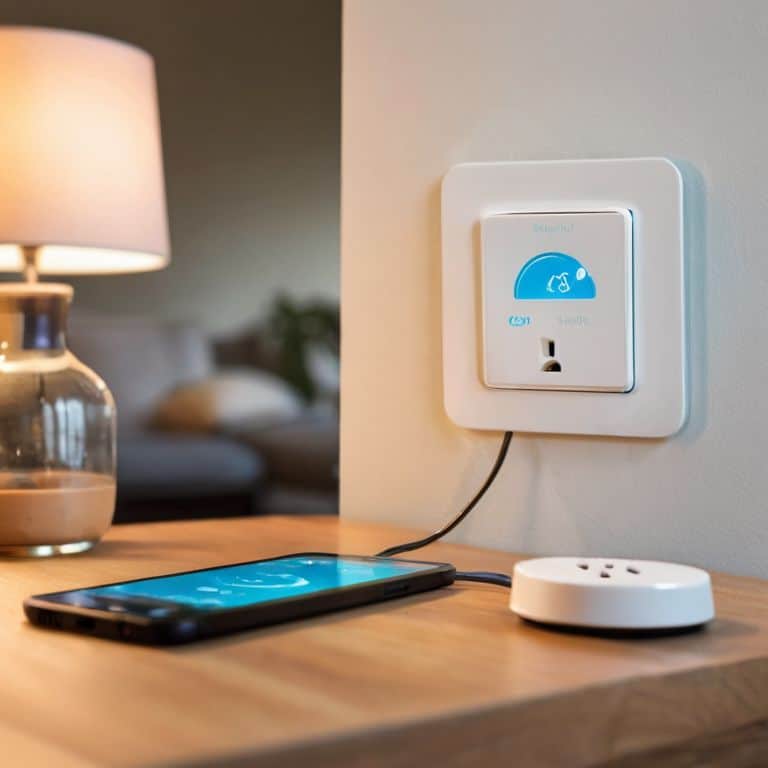
When it comes to selecting the right smart plug for your home, there are a few key considerations to keep in mind. As a beginner, you’ll want to look for beginner-friendly smart home devices that are easy to install and use. I’ve found that energy monitoring with smart plugs is a great way to get started, as it allows you to track your energy usage and make adjustments to save money.
One of the most important things to consider when choosing a smart plug is compatibility with popular voice assistants, such as Alexa. This will allow you to control your devices with ease, using simple voice commands. I’ve also found that setting up smart plug routines can be a game-changer, as it allows you to automate tasks and make your life easier.
In terms of budget, there are many budget-friendly smart plug options available that won’t break the bank. When it comes to smart plug installation tips, I always recommend starting with a simple setup and gradually adding more devices as you become more comfortable with the technology. By following these tips, you’ll be well on your way to creating a smart home that is both functional and efficient.
Energy Monitoring With Budget Friendly Options
When it comes to energy monitoring, you don’t have to break the bank. I’ve found some fantastic budget-friendly options that can help you keep track of your energy usage. For example, the TP-Link Smart Plug with Energy Monitoring is a great choice, offering real-time energy usage tracking and historical data analysis. Another option is the Etekcity Smart Plug, which provides detailed energy usage reports and allows you to set customized energy usage alerts.
These smart plugs are not only easy to install but also integrate seamlessly with popular voice assistants like Alexa and Google Assistant. By using these budget-friendly options, you can gain valuable insights into your energy consumption habits and make informed decisions to reduce your energy waste. Plus, they’re incredibly affordable, making them a great starting point for beginners looking to dip their toes into the world of smart home technology.
Smart Plug Installation Tips Made Easy
When it comes to installing your new smart plug, I’ve found that a little preparation goes a long way. Before you start, make sure you have a stable internet connection and that your smartphone or tablet is fully charged. Take a moment to download the accompanying app for your smart plug, and create an account if needed. This will save you time and hassle in the long run.
To ensure a seamless setup, I recommend starting with a simple plug, like a lamp or a coffee maker. This will allow you to get familiar with the app and the plug’s features without feeling overwhelmed. Remember, the key to a successful smart home setup is to take it one step at a time. Have you tried turning it off and on again? Okay, maybe not yet, but trust me, it’s a troubleshooting tip that’ll come in handy later.
5 Essential Tips for Choosing the Best Smart Plugs as a Beginner
- Start by identifying the devices you want to control with your smart plug, and choose a plug that supports the maximum wattage and voltage you need
- Consider the compatibility of the smart plug with your existing smart home system, including voice assistants like Alexa or Google Assistant
- Look for smart plugs with built-in energy monitoring features to help you track your energy usage and optimize your consumption
- Choose a smart plug with a user-friendly app that allows you to schedule on/off times, set up automated routines, and receive notifications
- Check for certifications like UL or ETL, which ensure the smart plug meets safety standards, and read reviews from other users to get a sense of the plug’s reliability and performance
Key Takeaways for a Seamless Smart Plug Experience
To get started with smart plugs, begin by assessing your home’s specific needs and identifying areas where smart plugs can simplify your life
When choosing a smart plug, consider factors such as compatibility with your existing smart home system, ease of installation, and any additional features like energy monitoring
Remember, the key to a stress-free smart plug experience is to start small, follow the manufacturer’s instructions carefully, and don’t hesitate to reach out if you need further assistance
Empowering Your Smart Home Journey
The best smart plug for a beginner isn’t just about the tech specs, it’s about finding a device that simplifies your life without complicating your budget.
Leo Maxwell
Embracing the Future of Smart Home Technology
As we conclude our journey through the world of smart plugs for beginners, it’s essential to recall the key takeaways from our exploration. We’ve discussed the best smart plugs for beginners, delving into their features, installation tips, and energy monitoring capabilities. By understanding these aspects, you’re now better equipped to make informed decisions when selecting the perfect smart plug for your home. Remember, the goal is to create a stress-free tech experience, and with the right smart plug, you’ll be well on your way to achieving that.
As you embark on your smart home journey, keep in mind that embracing new technology is all about taking it one step at a time. Don’t be afraid to experiment, and most importantly, have fun with it! With the knowledge you’ve gained from this guide, you’ll be able to easily navigate the world of smart plugs and discover the countless benefits they have to offer. So, go ahead, take the leap, and discover a smarter, more convenient way of living.
Frequently Asked Questions
What features should I look for when choosing a smart plug for my home?
When choosing a smart plug, look for features like Wi-Fi or Bluetooth connectivity, voice control compatibility, and energy monitoring. Consider the plug’s power rating, scheduling capabilities, and ease of setup. Also, check if it’s compatible with your existing smart home system, such as Alexa or Google Home.
Can I control multiple smart plugs with a single hub or device?
Absolutely, you can control multiple smart plugs with a single hub or device. In fact, most smart plug systems allow you to connect and manage several plugs through one central device or app, making it easy to turn on or off multiple devices at once. I’ll walk you through some popular options in my next post.
Are there any specific smart plug brands that are more compatible with certain smart home systems?
When it comes to compatibility, I’ve found that brands like Belkin and TP-Link work seamlessly with most smart home systems, including Alexa and Google Home. However, if you’re already invested in a specific ecosystem, like Samsung SmartThings, it’s best to choose a plug from their certified partners for hassle-free integration.