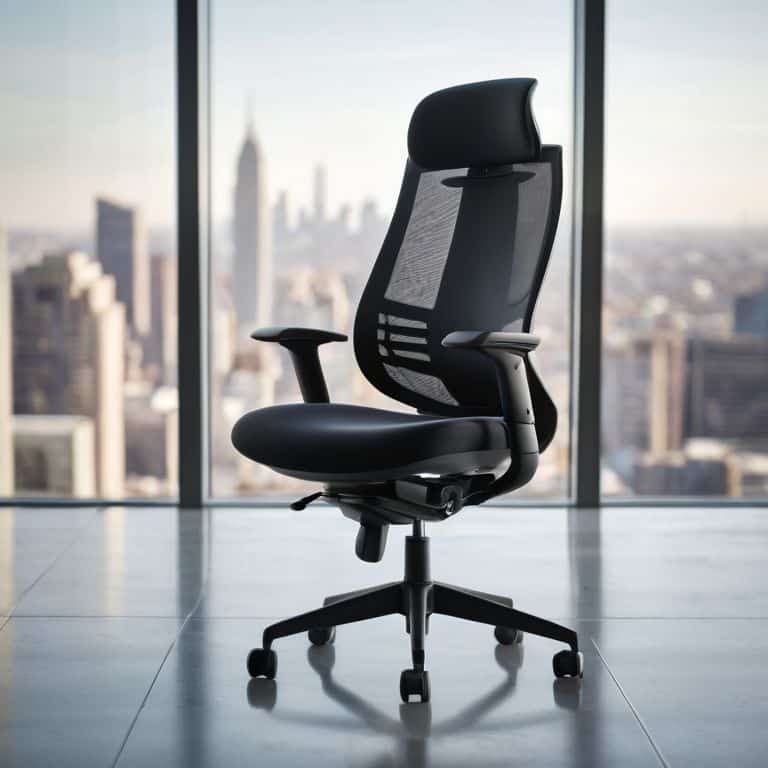
I still remember the day I spent an entire paycheck on a sleek, high-tech ergonomic chair, only to find out it was a nightmare to assemble and didn’t quite live up to its promise of comfort. It was then that I realized the importance of knowing what to look for in an ergonomic chair. The process of finding the perfect chair can be daunting, especially with the numerous options available in the market, each boasting its own set of features and benefits. As someone who’s spent years reviewing and testing various products, I’ve come to understand that choosing the right ergonomic chair is not just about picking a piece of furniture, but about investing in your long-term health and productivity.
In this article, I’ll guide you through the process of identifying the key factors to consider when searching for the perfect ergonomic chair. You’ll learn how to separate the essentials from the gimmicks and make an informed decision that suits your specific needs. From understanding the importance of lumbar support to recognizing the value of adjustable armrests, we’ll cover it all. My goal is to provide you with practical, no-nonsense advice that will help you navigate the often-confusing world of ergonomic chairs and find the one that will become your trusted companion for years to come. By the end of this guide, you’ll be equipped with the knowledge to find your perfect seat, and start writing a new chapter in your journey towards better health and comfort.
Table of Contents
Guide Overview: What You'll Need

Total Time: 1 hour
Estimated Cost: $0 – $100
Difficulty Level: Easy
Tools Required
- Tape Measure (for measuring seat height and depth)
Supplies & Materials
- Ergonomic Chair Checklist considering factors like lumbar support, armrest adjustability, and seat cushion thickness of 2 inches to 4 inches
Step-by-Step Instructions
- 1. First, let’s start with the foundation of an ergonomic chair: the seat. When looking for the perfect seat, consider the height and depth. The seat should be adjustable, allowing you to fit your legs comfortably under the desk with your feet flat on the floor or on a footrest. I’ve found that a seat with a waterfall edge can help reduce pressure on the back of your legs.
- 2. Next, think about the backrest. A good ergonomic chair should have a backrest that provides lumbar support, promoting good posture and reducing the strain on your spine. Look for a chair with an adjustable lumbar system, allowing you to customize the fit to your body. This is crucial, as it will help maintain the natural curve of your spine.
- 3. Now, let’s move on to the armrests. These should be adjustable in height and width, allowing you to rest your arms at a 90-degree angle. This will help take the pressure off your shoulders and neck, reducing the risk of fatigue and discomfort. I’ve noticed that armrests with a soft cushioning can provide extra comfort during long working hours.
- 4. The material and breathability of the chair are also important factors to consider. A chair with a breathable fabric or mesh can help keep you cool during long periods of sitting. Look for materials that are durable and easy to clean, reducing the risk of stains and odors.
- 5. Another crucial aspect is the adjustability of the chair. A good ergonomic chair should have a range of adjustable features, including seat height, armrest height, and tilt. This will allow you to customize the chair to your body, ensuring a comfortable and supportive fit. I’ve found that a chair with a smooth adjustment mechanism can make all the difference in finding the perfect position.
- 6. When it comes to the base of the chair, look for one with a stable and durable design. A five-point base is often a good indicator of stability, reducing the risk of the chair tipping over. Additionally, consider the casters or wheels, ensuring they are suitable for your floor type and won’t damage the surface.
- 7. Finally, think about the warranty and support offered by the manufacturer. A good ergonomic chair is an investment, and you want to ensure that it will last. Look for a chair with a comprehensive warranty that covers parts and labor, as well as a manufacturer that offers reliable customer support. This will give you peace of mind, knowing that you’re protected in case anything goes wrong.
Unlocking Ergonomic Chair Secrets
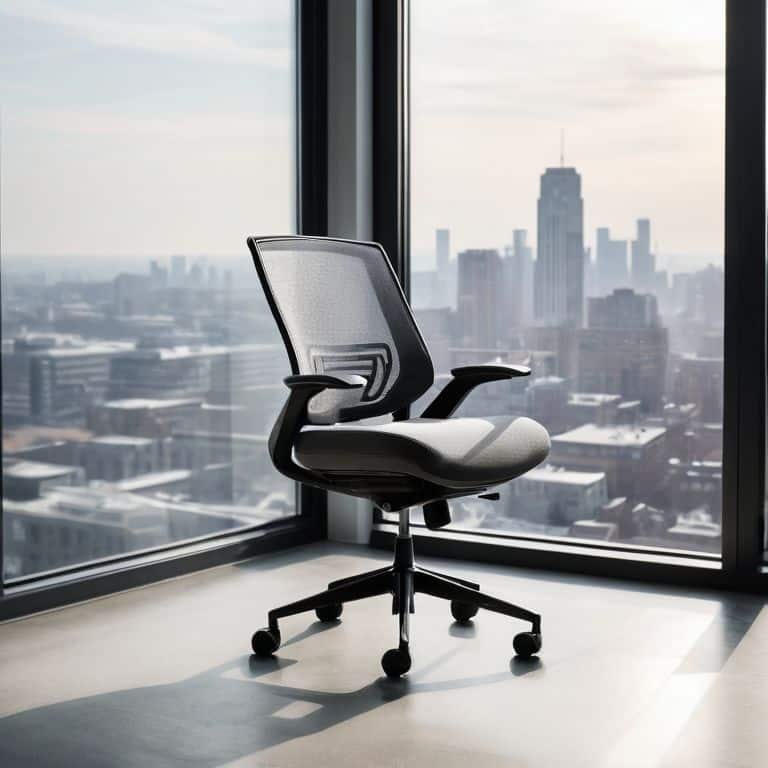
As I reflect on my experience with ergonomic chairs, I’ve come to realize that breathable fabrics play a crucial role in maintaining comfort during long hours of sitting. A chair with a well-ventilated design can make all the difference in preventing heat buildup and discomfort. I’ve found that chairs with mesh panels or cooling gel layers tend to perform better in this regard, allowing for a more relaxed sitting experience.
When it comes to customizing your ergonomic chair, adjustable chair features are essential for achieving optimal comfort. Being able to fine-tune the height, lumbar support, and armrests to fit your body can significantly reduce the risk of back pain and discomfort. I’ve noticed that chairs with adjustable chair features tend to promote better posture and reduce fatigue, making them a worthwhile investment for anyone spending extended periods sitting.
In addition to these factors, it’s also important to consider the overall office chair maintenance and upkeep. Regularly cleaning and lubricating moving parts can help extend the life of your chair and prevent wear and tear. By taking a proactive approach to maintenance, you can ensure that your ergonomic chair continues to provide the support and comfort you need to stay productive and focused.
Breathing Life Into Chair Fabric
As I delved deeper into the world of ergonomic chairs, I began to appreciate the often-overlooked aspect of chair fabric. It’s not just about aesthetics; the right material can make all the difference in your daily comfort. I’ve found that breathable fabrics like mesh or woven polyester can be a game-changer, especially for those who tend to get warm while working. The subtle give and take of these materials as you shift in your seat can be incredibly soothing.
In my experience, a well-chosen fabric can elevate the entire ergonomic chair experience, making it feel more like a haven than a piece of office furniture. By prioritizing breathability and comfort, you can create a seating solution that truly supports your well-being, rather than just your posture.
Heightened Comfort Expectations
As I delved deeper into the world of ergonomic chairs, I began to appreciate the subtle nuances that elevate a good chair to a great one. The fabric, for instance, is more than just a aesthetic choice – it’s a crucial factor in determining the overall comfort of the chair. I’ve found that a well-designed chair can make all the difference in reducing fatigue and improving focus. The right fabric can breathe, adapt to your body temperature, and provide the perfect balance of support and give.
My experience with various ergonomic chairs has led me to expect a certain level of comfort, and I’m always on the lookout for features that exceed those expectations. Whether it’s a cleverly designed mesh panel or a smart fabric that adjusts to my body, I believe that heightened comfort expectations are not only achievable but also essential for a truly exceptional ergonomic chair.
Finding Your Perfect Seat: 5 Essential Tips to Consider
- Look for adjustable features: A good ergonomic chair should have adjustable height, armrests, and lumbar support to fit your body perfectly
- Choose the right fabric: Breathable fabrics like mesh or fabric blends can help keep you cool and comfortable during long hours of sitting
- Consider the seat depth and width: A seat that is too deep or too narrow can cause discomfort and poor posture, so look for one that allows you to sit with your back against the backrest and your feet flat on the floor
- Check the armrests: Armrests should be adjustable and allow you to rest your arms at a 90-degree angle, taking pressure off your shoulders and neck
- Think about the recline and tilt: A chair that reclines and tilts can help you stay comfortable and focused during long periods of sitting, and can also help you switch between tasks and postures
Key Takeaways for Your Dream Ergonomic Chair
I’ve learned that the perfect ergonomic chair isn’t just about specs, but about how it weaves into the narrative of your daily life, providing comfort and support in ways that enhance your overall well-being
Unlocking the secrets of an ergonomic chair involves more than just adjusting the height and lumbar support – it’s about understanding how each component contributes to a harmonious sitting experience that boosts productivity and reduces strain
Whether you’re restoring your workspace or simply looking to upgrade your seating, remembering that the story of an ergonomic chair is one of long-term companionship, and choosing one that tells a story of quality, durability, and comfort is crucial for turning the page into a healthier, happier you
The Ergonomic Chair Conundrum
A great ergonomic chair is not just a piece of furniture, but a long-term companion that should adapt to your story, not just your body – it’s about finding a seat that becomes a silent witness to your daily struggles and triumphs, a constant presence that evolves with you.
Elias Vance
Finding Your Perfect Seat: A Lasting Impression

As we conclude our journey through the world of ergonomic chairs, it’s essential to recall the key elements that make a chair truly exceptional. From the initial unboxing to long-term use, we’ve explored the significance of breathing life into chair fabric, heightened comfort expectations, and the unwritten chapters that unfold as you sit, work, and live with your chosen chair. These elements, among others, contribute to the narrative of your chair, transforming it from a mere piece of furniture into a trusted companion that supports your well-being and productivity.
As you embark on your own quest for the perfect ergonomic chair, remember that the story of your chair is yet to be written. It’s a blank page waiting for the first sentence of a long, comfortable, and inspiring journey. By considering the factors we’ve discussed and embracing the unique narrative of your chair, you’ll not only find a piece of furniture but a long-term partner in your daily endeavors, one that will make your workspace feel like a sanctuary.
Frequently Asked Questions
What are the key features that distinguish a truly ergonomic chair from a standard office chair?
For me, it’s about more than just a list of specs – a truly ergonomic chair must have a harmonious balance of adjustable features, such as seat height, lumbar support, and armrests, all working in tandem to cradle the body in comfort, promoting healthy posture and mitigating fatigue.
How do I determine the optimal seat height and lumbar support for my body type?
To find your optimal seat height, sit with your feet flat on the floor and thighs parallel to the ground. For lumbar support, consider the natural curve of your lower back – a good chair should fit snugly, filling the gap without pushing too hard, allowing you to maintain a healthy posture.
Are there any specific materials or fabrics that are preferred for ergonomic chair upholstery and why?
When it comes to upholstery, I’ve found that breathable mesh and durable leather are top choices. Mesh keeps you cool, while leather provides a premium feel and ease of maintenance, making them both winners in my book for long-term comfort and practicality.