I still remember the first time I tried to make a classic béchamel sauce – it was a disaster. I had heard that it’s all about dumping butter and flour into a pan, then slowly adding milk, but the reality was far from it. The common myth that you can just throw these ingredients together and expect a smooth, creamy sauce is not only frustrating but also misleading. The truth is, mastering how to make a classic béchamel sauce requires patience, attention to detail, and a deep understanding of the underlying chemistry.
As someone who’s spent years perfecting this fundamental French sauce, I’m excited to share my foolproof approach with you. In this article, I’ll take you through the step-by-step process of creating a rich, velvety béchamel that will elevate your dishes to new heights. From the importance of mise en place to the science behind the sauce’s signature smoothness, I’ll provide you with honest, experience-based advice that will make you a béchamel expert in no time. Whether you’re a beginner or an experienced cook, my goal is to empower you with the knowledge and confidence to create a truly exceptional classic béchamel sauce.
Table of Contents
Recipe Details
Ingredients
- 2 tablespoons butter (unsalted)
- 2 tablespoons all-purpose flour (sifted)
- 1 cup milk (whole, low-fat or nonfat)
- 1/2 cup grated cheese (Gruyère, Cheddar or other firm cheese)
- Salt and pepper (to taste)
- Nutmeg (a pinch, optional)
Tools & Supplies
- Medium saucepan
- Whisk
- Measuring cups and spoons
Recipe Instructions
Step 1
First, let’s start with the foundation of our béchamel sauce, which is a roux made from butter and flour. To do this, melt 2 tablespoons of unsalted butter in a medium saucepan over low heat. I like to use a saucepan with a heavy bottom, as it allows for even heat distribution and helps prevent the butter from burning.
Step 2
Once the butter has melted, add 2 tablespoons of all-purpose flour and whisk until the mixture is smooth and there are no lumps. This is where the magic begins, and we start to create that beautiful, velvety texture we all love in a classic béchamel sauce. Cook the roux for about 1-2 minutes, stirring constantly, until it reaches a light blonde color and has a nutty aroma.
Step 3
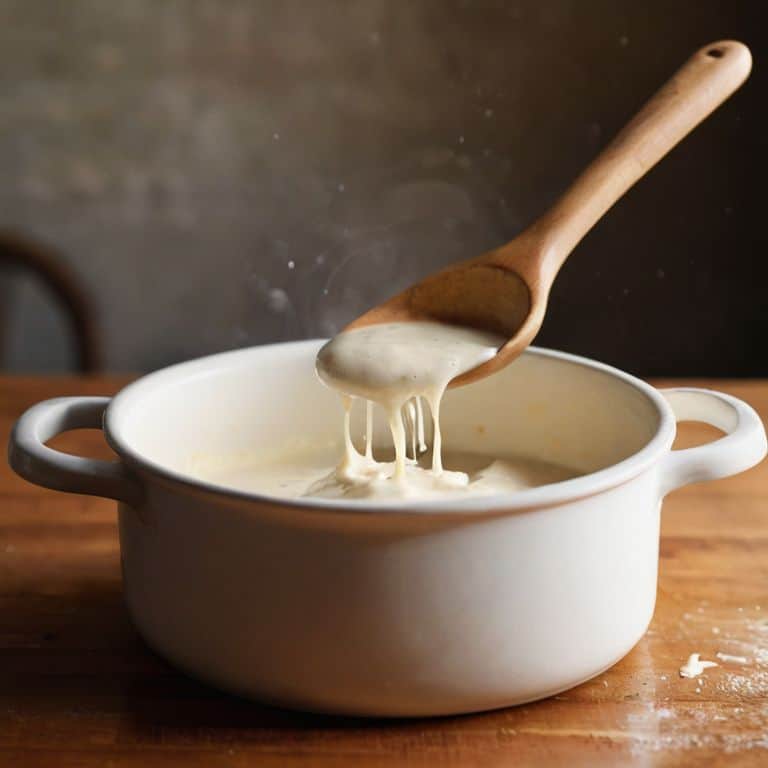
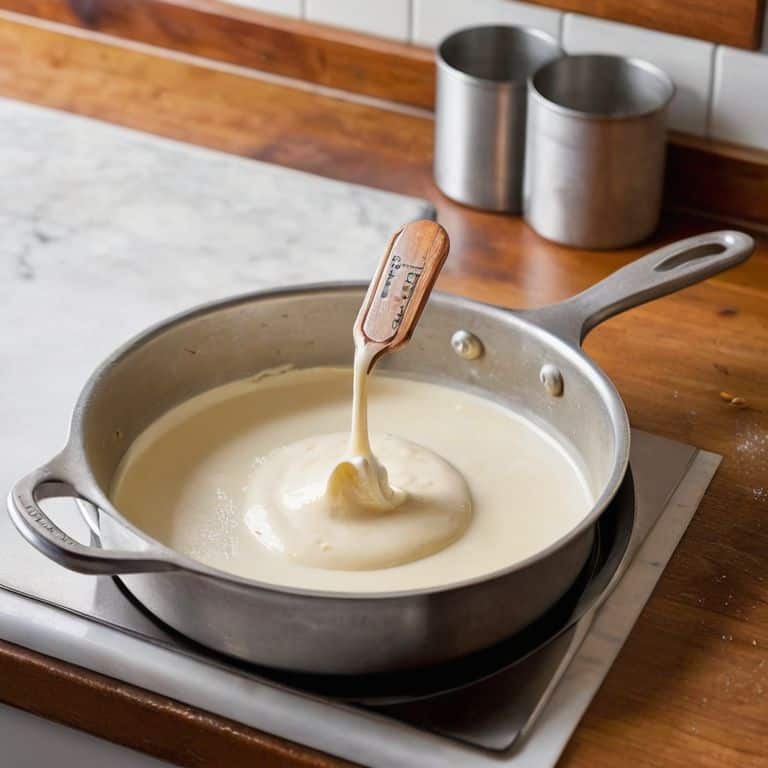
Now it’s time to slowly pour in 1 cup of whole milk, whisking continuously to prevent lumps from forming. I find that using a tempering technique helps to achieve a smooth sauce – this means gradually adding the milk to the roux while whisking vigorously. Bring the mixture to a simmer and cook for about 5 minutes, or until it thickens and coats the back of a spoon.
Step 4
As we wait for the sauce to thicken, let’s prepare our seasonings. I like to add a pinch of salt and a few grinds of black pepper to enhance the flavor of the béchamel. You can also add a pinch of nutmeg, if you like – it adds a nice warmth and depth to the sauce. Once the sauce has thickened, remove it from the heat and stir in the seasonings.
Step 5
The final step is to strain the béchamel sauce through a fine-mesh sieve into a clean saucepan or bowl. This helps to remove any lumps or impurities, resulting in a smooth and creamy sauce. If you’re not using the sauce immediately, let it cool to room temperature, then cover and refrigerate it for up to 3 days. Reheat the sauce gently over low heat, whisking constantly, until it’s warm and ready to use.
Unfolding Bchamel Secrets
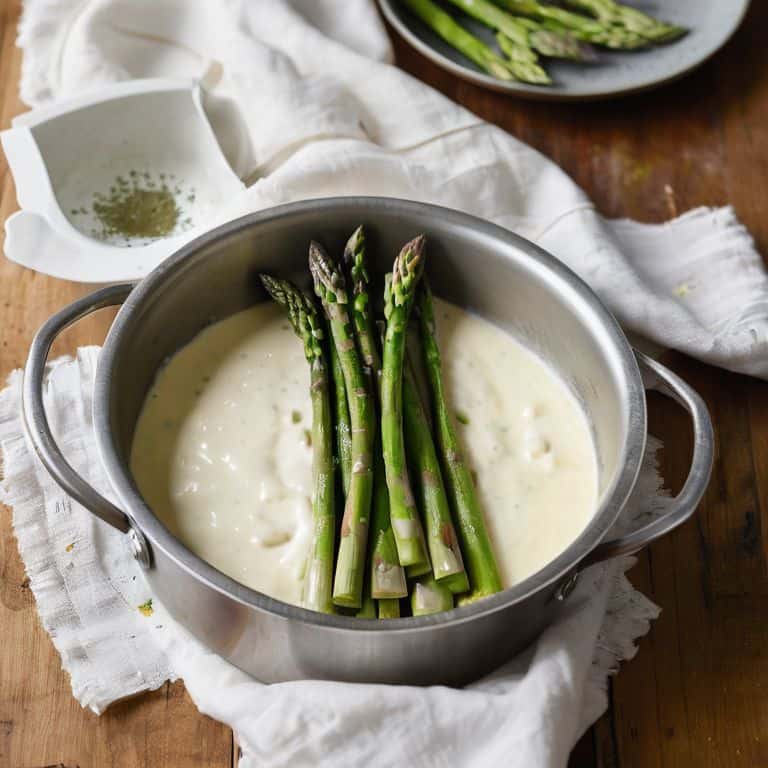
As we dive deeper into the world of béchamel, it’s fascinating to explore the history behind this classic French sauce. Originating in 17th-century France, béchamel was one of the four “mother sauces” that laid the foundation for countless other sauces. Its simplicity, with just a few ingredients, belies the richness and depth of flavor it adds to dishes. I love using it as an easy white sauce for vegetables, elevating even the humblest of sides into a culinary delight.
When it comes to making a great béchamel, the key is in perfecting sauce consistency. This is where the magic of roux comes into play. Whether you’re making roux for mac and cheese or a simple béchamel, the ratio of butter to flour is crucial. I’m often asked about butter versus oil in roux, and my take is that while oil can work, butter adds a depth of flavor that’s hard to replicate. It’s all about finding that perfect balance.
For sauce making for beginners, one of the most important tips I can offer is to not rush the process. Take your time, and make sure each step is completed before moving on to the next. This will ensure that your béchamel turns out smooth and creamy, rather than lumpy or too thick. With a little practice, you’ll be whipping up classic French sauce recipes like a pro, and experimenting with new variations will become a fun and creative process.
Butter vs Oil in Roux
When it comes to making the roux for our béchamel sauce, the choice between butter and oil is crucial. I always opt for butter, as it adds a richness and depth of flavor that oil simply can’t replicate. The key is to use a high-quality, European-style butter with a high fat content, which will give your roux a nutty, aromatic flavor.
In contrast, oil can make the roux taste slightly bland and, well, oily. Of course, if you’re looking for a dairy-free option, a neutral-tasting oil like canola or grapeseed can work in a pinch. But if you want that authentic, creamy béchamel flavor, butter is the way to go.
Perfecting Sauce Consistency
Now that we’ve nailed the perfect roux, let’s dive into the art of achieving that silky, velvety texture we all crave in a classic béchamel sauce. Perfecting sauce consistency is all about patience and gentle heat. I like to think of it as a soothing dance between the roux and the milk, where each element melds together in harmony. To get it just right, remember to whisk constantly, especially when the milk first hits the roux – this prevents lumps from forming and ensures a seamless integration of flavors.
As you cook, keep a close eye on the sauce’s thickness, adjusting the heat as needed. You’re aiming for a consistency that coats the back of a spoon beautifully, without being too thick or too thin. Trust me, with a bit of practice, you’ll develop an intuitive sense of when your béchamel has reached that perfect, creamy balance.
Elevate Your Béchamel Game: 5 Essential Tips for a Silky Smooth Sauce
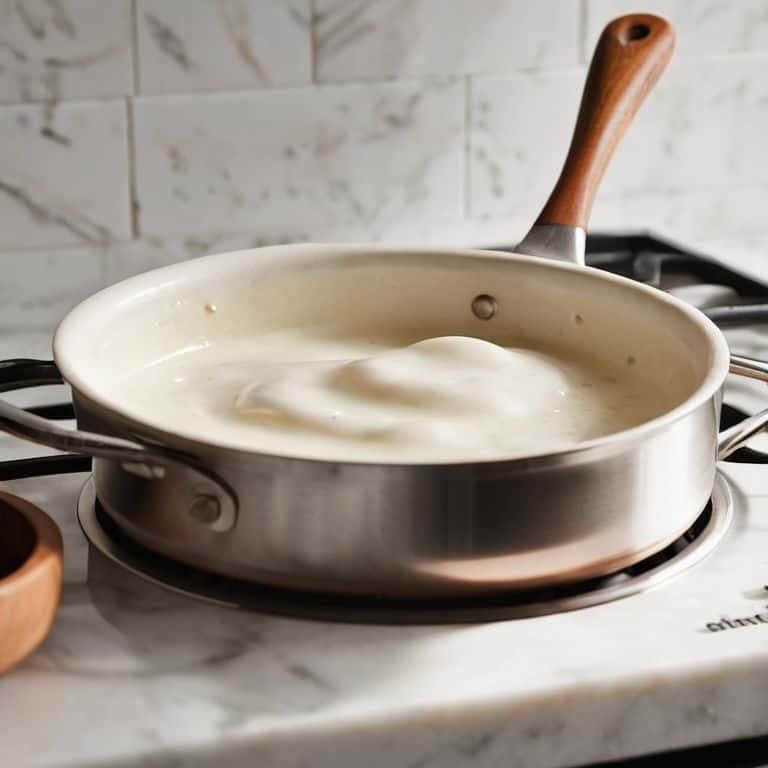
- Use room temperature ingredients to ensure a seamless emulsion process, as cold ingredients can lead to a lumpy or separated sauce
- Whisk constantly when adding flour to the butter or oil to prevent lumps from forming, and cook the roux for at least 1-2 minutes to remove any raw flour taste
- Gradually pour in the milk while continuously whisking, starting with a slow trickle to allow the mixture to absorb and thicken evenly
- Maintain a gentle simmer when cooking the sauce, as high heat can cause it to break or become too thick, and be patient as it thickens to your desired consistency
- Season the sauce with a pinch of salt and a grind of nutmeg to enhance the flavor, and consider adding a squeeze of fresh lemon juice to brighten and balance the richness of the béchamel
Your Béchamel Sauce Essentials
To create a rich and creamy béchamel sauce, it’s crucial to understand the importance of using high-quality ingredients and mastering the technique of making a smooth roux, whether you choose to use butter or oil.
Achieving the perfect consistency is key to a successful béchamel sauce; this involves carefully balancing the ratio of flour to milk and patiently whisking the mixture to avoid lumps.
By embracing the art of ‘mise en place’ and preparing your ingredients meticulously, you’ll find that making a classic béchamel sauce is not only a straightforward process but also a deeply rewarding one, allowing you to elevate a variety of dishes with its creamy, velvety texture.
The Heart of Béchamel
A classic béchamel sauce is not just about mixing flour, butter, and milk, it’s about understanding the harmony of textures and flavors that unfold with each gentle stir, a true testament to the magic that happens when patience meets precision in the kitchen.
Julia Ashwood
Mastering the Art of Béchamel: A Journey to Culinary Excellence
As we conclude our journey through the world of classic béchamel sauce, let’s recap the essentials: we’ve discussed the importance of using high-quality ingredients, the delicate balance between butter and flour in the roux, and the crucial step of achieving the perfect sauce consistency. By mastering these fundamental elements, you’ll be well on your way to creating dishes that are truly elevated and sure to impress. Whether you’re a seasoned chef or a beginner in the kitchen, the art of making a great béchamel sauce is a skill that will serve you well in your culinary pursuits.
So, as you embark on your own béchamel-making adventures, remember that the key to success lies in the details and the willingness to take your time to get it just right. Don’t be discouraged if your first attempts don’t yield the desired results – with practice and patience, you’ll soon be crafting silky smooth sauces like a pro, and the sense of accomplishment will be incredibly rewarding. Happy cooking, and I look forward to sharing more recipe secrets with you in the future!
Frequently Asked Questions
What is the ideal ratio of butter to flour when making a roux for béchamel sauce?
For a classic béchamel roux, I swear by a 1:1 ratio of butter to flour. This means if you’re using 2 tablespoons of butter, you’ll want to use 2 tablespoons of flour. Trust me, this balance is key to a smooth, velvety sauce that’s neither too greasy nor too starchy.
How do I prevent my béchamel sauce from becoming too thick or too thin?
To achieve the perfect consistency, whisk constantly and add milk gradually, allowing the sauce to simmer and thicken slowly. If it becomes too thick, a little more milk will do the trick, while a slurry of butter and flour can save a sauce that’s too thin.
Can I use different types of milk, such as almond or soy milk, to make a non-dairy béchamel sauce?
While traditional béchamel is made with dairy milk, you can experiment with non-dairy alternatives like almond or soy milk for a creamy twist. Keep in mind that these milks have a lighter consistency, so you may need to adjust the roux-to-milk ratio for the perfect balance. I’ve had success with almond milk, but feel free to try others and find your favorite!