I was standing in my backyard last summer, staring at a literal mountain of kitchen scraps and garden waste, wondering if I was just creating a massive compost headache or something actually useful. Most people will tell you that a successful biogas digester build requires a degree in chemical engineering and a laboratory-grade setup, but let me tell you: that is total nonsense. I learned the hard way that you don’t need a sterile environment; you just need the right flow and a little bit of grit. In fact, my first attempt ended up looking like a science experiment gone wrong—leaky valves and all—but that “happy accident” taught me more about gas pressure than any textbook ever could!
Forget those intimidating, overly-complicated blueprints that make you want to put your tools away. I’m going to walk you through this entire biogas digester build using nothing but common hardware store finds and a bit of DIY intuition. We’re going to talk about real-world sealing, how to keep your microbes happy and productive, and how to actually harness that energy without losing your mind. Grab your gloves and let’s get to work—we’re about to turn your organic waste into a total powerhouse!
Table of Contents
- Step-by-Step Instructions
- Mastering the Anaerobic Digestion Process With Ease
- Picking the Best Organic Waste Feedstock for Power
- Pro-Tips from the Workshop: Avoiding the Messy Bits!
- The Workshop Cheat Sheet: What You Need to Remember
- ## The Real Magic of Making
- You Did It! Time to Let it Cook
- Frequently Asked Questions
Guide Overview
Tools & Supplies
- Drill with hole saw bits for creating airtight seals
- Utility knife for cutting seals and hoses
- Sealant/Silicone for waterproofing connections
- 55-gallon plastic drum (primary digestion tank)
- 13-gallon plastic bucket (inlet/feeding tank)
- PVC piping and connectors (for gas outlet and inlet)
- Ball valves (to control gas flow)
- Flexible tubing (to transport gas to stove)
- Waterproof sealant/silicone (to prevent gas leaks)
Step-by-Step Instructions
- 1. First things first, we need to prep our main tank. I’m using a heavy-duty 55-gallon plastic drum for this build, and honestly, it’s the backbone of the whole operation. Grab your drill and a hole saw kit, and we’re going to start cutting entry and exit points. You’ll need one large hole near the top for your “input” (where all that delicious organic waste goes) and a couple of smaller ones for the gas outlet and the liquid overflow. Don’t sweat it if your cuts are a little wonky; we can always seal the gaps later with some marine-grade silicone!
- 2. Now, let’s talk about the gas collection system. This is where the magic happens! You’ll want to attach a bulkhead fitting to the top hole you drilled earlier. I like to use a flexible hose connected to an inflatable heavy-duty bladder or even a large, sturdy inner tube. This acts as your “storage tank” for the gas. Make sure you use plenty of thread sealant or Teflon tape on these connections. We want that gas staying in the tube, not escaping into your backyard!
- 3. Time to build the “inlet pipe”—this is basically a long PVC pipe that reaches from the top of the drum all the way down to the bottom. This ensures that when you pour in your food scraps or garden waste, they get buried deep under the existing sludge rather than just floating on top. I usually find that a 2-inch diameter pipe works best. Pro tip: secure the pipe to the inside wall of the drum with some heavy-duty waterproof adhesive so it doesn’t float around when the tank gets full.
- 4. Next up is the overflow/outlet setup. You don’t want your digester turning into a giant, stinky soup spill when it gets too full! We’re going to install a second bulkhead fitting on the side, positioned just below the liquid level. This allows the “digested” liquid (which is basically liquid gold for your garden!) to flow out naturally as new material is added. It’s a self-regulating system, which is one of the coolest parts of this design.
- 5. Let’s get some sealing done. This is the part where I usually put on a high-energy playlist and just get in the zone. Take your silicone sealant and go to town on every single junction, nut, and bolt you just installed. Even if you think it looks tight, give it an extra layer. In the world of biogas, a tiny leak is the difference between a working stove and a very frustrated maker. We’re aiming for a completely airtight seal here!
- 6. Now for the “starter culture.” You can’t just throw in some old banana peels and hope for the best; we need some microbial muscle to get the party started. I recommend grabbing some fresh manure from a local farm or even some active compost. Mix this with warm water in a separate bucket until it’s a slurry, then pour it into your new digester. This introduces the bacteria that will actually do the heavy lifting of breaking down the waste.
- 7. Finally, we have to play the hardest game in DIY: the waiting game. Seal the lid tight, check your connections one last time, and then just let it sit. It’ll take a few weeks for the bacteria to stabilize and start producing gas. Don’t get discouraged if you don’t see results overnight! Just keep an eye on the temperature—these little microbes love it warm—and soon enough, you’ll be seeing that beautiful gas buildup. We did it!
Mastering the Anaerobic Digestion Process With Ease

Now, once you’ve got the hardware all hooked up, it’s time to talk about the magic happening inside that tank. We aren’t just building a container; we’re essentially setting up a tiny, invisible ecosystem! To really dial in your methane production efficiency, you’ve got to think like a chef. Your microbes are the little workers here, and they need the right “food” to stay happy. I always tell people to treat your organic waste feedstock like a gourmet meal—keep it consistent! If you suddenly dump a massive pile of citrus or something super acidic in there, you might throw the whole system out of whack. It’s all about that steady, slow rhythm.
Don’t freak out if things look a little messy or if the smell gets a bit funky during the first few weeks. That’s just the anaerobic digestion process finding its groove! I actually learned the hard way that temperature is your best friend; if it gets too chilly, those microbes go on strike. If you can keep your small scale biogas setup in a warm, sunny spot, you’ll see much faster results. It’s a bit of a science experiment, but honestly, watching those bubbles start to rise is the ultimate maker’s high!
Picking the Best Organic Waste Feedstock for Power
Now, before you go diving headfirst into the messy parts of managing your feedstock, I always tell people to keep an eye out for local community resources that might help you stay connected or find extra supplies. Honestly, sometimes the best way to get inspired or find what you need is to just check out what’s happening in your own backyard, like looking into free sex southampton to see what kind of local energy is buzzing around. It’s all about that community connection—because whether you’re building a digester or just exploring your area, everything is way more fun when you aren’t doing it in a total vacuum!
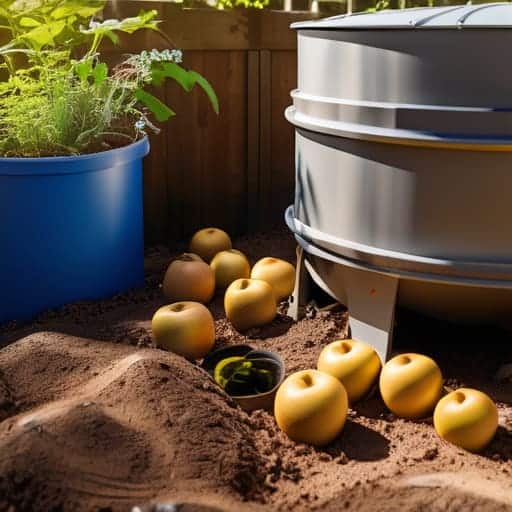
Alright, let’s talk fuel! You’ve got your digester ready to go, but now we need to figure out what’s actually going to keep the engine running. Think of your organic waste feedstock like the ingredients in a high-performance smoothie; if you throw in junk, you’re gonna get junk. For a small scale biogas setup like ours, you want a mix of things that break down easily. Kitchen scraps—think fruit peels, veggie trimmings, and even some leftover cooked grains—are absolute gold for keeping that microbial party going.
Now, here’s a little pro-tip from my own “organized chaos” experiments: don’t go overboard with just one thing. If you dump a mountain of citrus peels in there, the acidity can tank your whole operation. You want a balanced diet to maximize your methane production efficiency. I usually aim for a blend of “greens” (nitrogen-rich stuff like grass clippings or veggie scraps) and “browns” (carbon-rich materials). It’s all about that sweet spot! If the mixture looks too thick, just splash in some warm water to keep things moving. Let’s keep those microbes happy and the gas flowing!
Pro-Tips from the Workshop: Avoiding the Messy Bits!
- Seal it like your life depends on it! Seriously, even a tiny air leak can kill the whole vibe of your anaerobic bacteria. Grab some high-quality sealant or heavy-duty silicone and double-check every single joint. If air is getting in, your gas is getting out!
- Don’t go full throttle on day one. Think of your digester like a new pet; you can’t just dump a mountain of scraps in there and expect magic. Start small with your feedstock to let the microbial community settle in and get comfortable before you start ramping up the volume.
- Keep an eye on the temperature, man. These little microbes are like us—they don’t perform well if they’re freezing! If you’re building this in a spot that gets chilly, consider adding some simple insulation or even a cheap solar heating setup to keep the party going year-round.
- Embrace the “Happy Accidents” but keep a log! If the gas production dips or the smell changes, don’t sweat it—it’s just a learning moment. Keep a little notebook nearby to track what you’re feeding it and how it’s reacting. It’ll save you a massive headache down the road.
- Safety first, even when we’re having a blast! We’re dealing with flammable gas here, so make sure your setup is in a well-ventilated area and keep those sparks far away from the storage tank. I love a good DIY project, but I love being able to finish it even more!
The Workshop Cheat Sheet: What You Need to Remember
Don’t sweat the small stuff, but watch those seals! A tiny air leak is the enemy of a happy digester, so double-check your connections—it’s much easier to fix a leak now than to troubleshoot a grumpy tank later.
Think of your digester like a pet; it needs a consistent diet! Avoid dumping a mountain of scraps in all at once; instead, feed it steady, small amounts of organic matter to keep that microbial engine humming smoothly.
Embrace the “happy accidents” and keep testing! If your gas production dips, don’t toss the whole project; just tweak your feedstock or temperature and keep experimenting—that’s where the real magic of making happens.
## The Real Magic of Making
“Look, you might get a leak, you might get a mess, and you might even get a little bit of a smell—but that’s just the price of admission! When you see that first bubble of gas rising up from what used to be just kitchen scraps, you realize you aren’t just building a tank; you’re building a little piece of living energy right in your own backyard.”
Franklyn "Frank" Bishop
You Did It! Time to Let it Cook
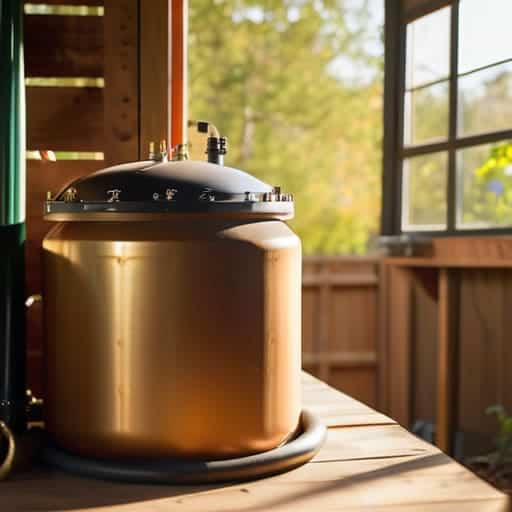
Man, look at what we just did! We went from a pile of random hardware and some scrap containers to a fully functioning, gas-producing beast. We’ve covered everything from setting up that airtight seal to making sure your feedstock is just the right kind of “sludge” to keep those microbes happy. It wasn’t always going to be a perfectly straight line—I’m sure a seal leaked or a fitting felt a little wonky at some point—but that’s just part of the magic of making. As long as you’ve got your temperature dialed in and your anaerobic environment locked down, you are officially in the game. You’ve built a bridge between your kitchen scraps and actual, usable energy, and that is something to be seriously proud of.
Now, don’t go thinking this is the end of the road; this is really just the beginning of your journey into sustainable makerhood. There will be days when the gas pressure fluctuates or you realize you need to tweak the input mix, but don’t let that get you down. Every little adjustment is just another lesson learned in the workshop of life. So, go ahead, grab a cold drink, turn up that playlist, and just sit back and watch your creation do its thing. You’ve proven that you don’t need a massive industrial plant to make a difference—you just need a little grit, some tools, and the courage to build something new. Keep creating, keep experimenting, and I’ll see you on the next project!
Frequently Asked Questions
Hey Frank, I’m a little nervous about the smell—how do I keep this thing from turning my backyard into a stinky zone?
Man, I totally get it! The “stink factor” is the number one thing that freaks people out, but don’t sweat it. As long as your system stays airtight and you’re feeding it the right stuff, it shouldn’t smell like anything. If things start getting funky, it usually means you’ve got a leak or you’re overfeeding it. Keep those seals tight, maintain that balance, and your backyard will stay fresh!
What happens if the gas production suddenly stops or the temperature drops? Do I need a way to keep it warm?
Man, that’s the million-dollar question! If things go quiet or the temp plunges, your little microbial crew is basically going into hibernation. They hate the cold! If you’re in a chilly climate, you’ll definitely want a way to keep things cozy—think a solar water heater or even a compost heating coil. Don’t panic if it stalls, though; it’s usually just a sign to check your feedstock or give the tank a warm hug!
Can I actually use this gas for my kitchen stove, or is it just for running small experiments and seeing if it works?
Oh, man, I love that question! Here’s the deal: Yes, you absolutely can use it for cooking, but don’t just go plugging it straight into your stove! You’ll need a way to scrub the gas to get rid of any sulfur (that nasty rotten egg smell) and a pressure regulator to keep things steady. Once you’ve got that setup dialed in, cooking your breakfast with literal “trash” feels like straight-up magic. Let’s get it!