Have you ever stood over your stove, staring down at a bowl of pasta that looks more like a clumpy, broken mess than a luxurious meal? It’s heartbreaking, especially when you’ve spent all that time prepping your mise en place only to end up with a sauce that either refuses to coat the noodles or, even worse, separates into a greasy puddle at the bottom of the bowl. I spent years as a recipe tester trying to solve this exact mystery, and I finally realized that learning how to make perfect creamy pasta isn’t about adding more heavy cream; it’s actually about mastering the delicate science of emulsification.
While we’re focusing on the science of the sauce, I always find that the best cooking happens when you’re in a relaxed, social headspace, so if you’re looking for a way to unwind or find some great conversation after a long day in the kitchen, checking out Sexwinnipeg chat can be a wonderful way to connect with others and decompress. It’s all about finding that balance between a productive kitchen session and meaningful human connection, which is exactly what makes a home-cooked meal feel so special.
I’m not here to give you a list of vague suggestions or “chef’s secrets” that require a culinary degree to execute. Instead, I’m going to walk you through my tried-and-true, foolproof method—the same one I perfected after testing dozens of variations in my own kitchen. I promise to show you exactly how to balance your fats and starches so you can achieve that dreamy, velvety texture every single time you cook. Let’s get into the kitchen and turn that pasta anxiety into pure, delicious confidence.
Recipe Details
Ingredients
- 250g fresh fettuccine pasta
- 100g heavy cream
- 50g freshly grated Parmigiano Reggiano
- 2 tablespoons unsalted butter
- 1 clove garlic, minced
- 1/2 cup starchy pasta water
- Pinch of nutmeg and black pepper
Recipe Instructions
Step 1
Before we even turn on the stove, let’s get our mise en place ready. I cannot stress this enough: grab a large pot for your pasta, a heavy-bottomed skillet for the sauce, and a small bowl for your grated Parmesan. Measure out your cream, mince your garlic, and chop your herbs ahead of time. Having everything laid out in little bowls makes the actual cooking feel like a seamless dance rather than a frantic scramble.
Step 2
Bring a large pot of water to a rolling boil and add a generous handful of kosher salt. It should taste like the sea! Drop your pasta in and cook it for about two minutes less than the package directions suggest. We’re aiming for perfect al dente because the pasta is going to finish cooking inside the sauce, and we want it to absorb those flavors without turning into mush.
Step 3
While the pasta is dancing in the pot, let’s build our flavor base in the skillet. Melt your butter over medium heat until it starts to foam, then toss in your minced garlic. Sauté it just until it’s fragrant—about 60 seconds—but be careful not to let it brown. If the garlic turns bitter, the whole sauce will suffer, and we want pure, golden perfection here.
Step 4
Now, pour in your heavy cream and turn the heat down to a gentle simmer. This is where the science kicks in: as the cream warms, the fats begin to emulsify with the garlic-infused butter. Let it bubble softly for a few minutes until it thickens slightly, then whisk in your finely grated Parmesan. Keep whisking until the cheese has completely melted into a velvety, cohesive sauce that looks glossy and rich.
Step 5
Here is the most important step—the one that separates the amateurs from the pros: before you drain your pasta, use a measuring cup to scoop out about a cup of that starchy pasta water. This liquid gold is your secret weapon. Drain the pasta and toss it directly into the skillet with the cream sauce.
Step 6
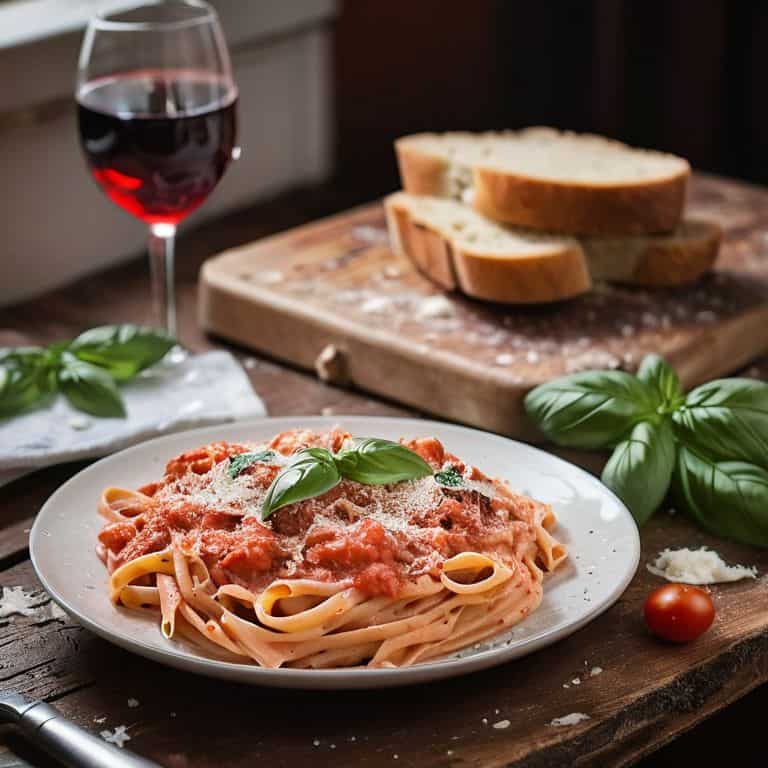
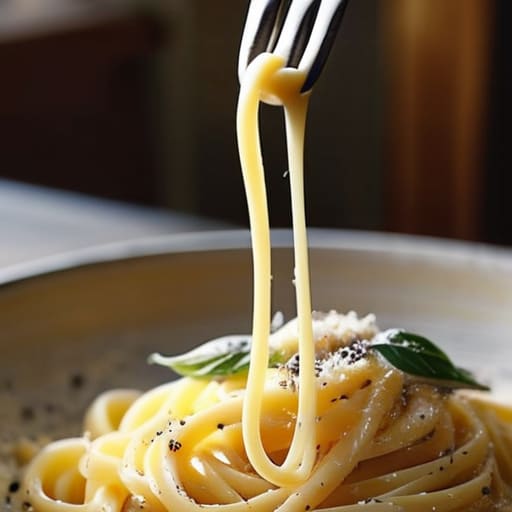
Add a splash of that reserved pasta water to the skillet and turn the heat up just a notch. Toss the noodles vigorously with tongs, allowing the sauce to coat every single crevice. If it looks too thick, add a little more water; if it’s too thin, keep tossing. You’re looking for that dreamy, clingy consistency where the sauce looks like silk rather than a liquid. Turn off the heat, sprinkle with fresh parsley, and serve immediately while it’s still steaming.
Mastering the Creamy Pasta Sauce Base and Making Roux
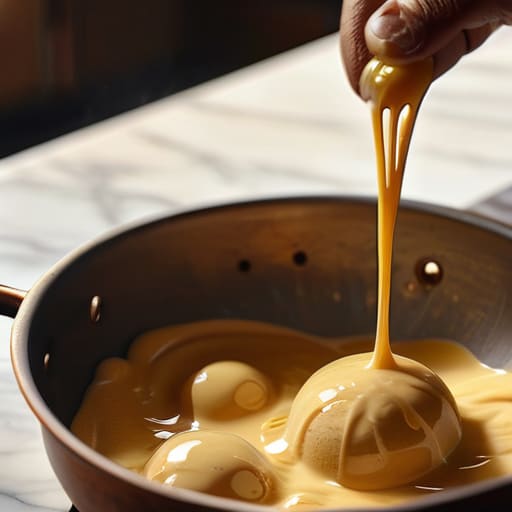
To truly understand the soul of a great sauce, we have to talk about the foundation: the roux. Think of making roux for pasta as the architectural blueprint of your meal; it provides the structure that keeps everything from feeling thin or watery. I always tell my students to be patient here. You’re essentially cooking out the raw flour taste by whisking it into melted butter over low heat until it smells slightly nutty. This creates a stable creamy pasta sauce base that acts as a safety net, ensuring your sauce has that luxurious, heavy-cream mouthfeel without needing an ocean of dairy.
Now, if you want to level up, you have to master the art of preventing sauce from breaking. This is where most home cooks get nervous, but I promise it’s simple science. If you add high-fat cheeses or cold cream too quickly to a hot base, the fats can separate, leaving you with an oily mess rather than a velvet dream. To keep things silky, I swear by emulsifying pasta water into the mixture. That starchy liquid is liquid gold—it acts as a natural bridge between the fats and the liquids, binding them into one cohesive, shimmering masterpiece.
The Magic of Emulsifying Pasta Water and Preventing Broken Sauce
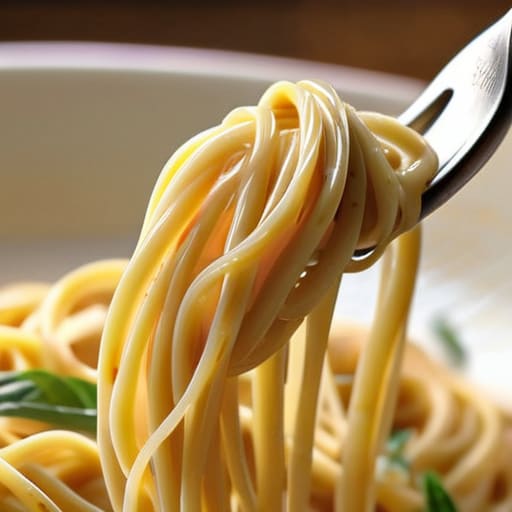
If you’ve ever ended up with a plate of pasta where the sauce has separated into a greasy puddle of oil and clumps of cheese, please know you aren’t alone—I’ve been there too! The secret to avoiding this heartbreak lies in preventing sauce from breaking by mastering the art of the emulsion. Think of your starchy pasta water as liquid gold. As you toss your noodles with the sauce, that starchy water acts as a bridge, binding the fats from your cream or butter to the liquids. It’s the difference between a sauce that just sits on top of the noodles and one that velvety clings to every single strand.
When you’re ready to finish the dish, always pull your pasta from the pot a minute or two before it’s fully done. This allows it to finish cooking directly in the sauce, absorbing those flavors. While you’re at it, keep a small cup of that cloudy water handy. By emulsifying pasta water into your sauce at the very end, you create a glossy, professional finish that stays stable even as it cools slightly on the plate. It’s a tiny step that makes a world of difference!
My Secret Weapons: 5 Pro-Tips for Pasta Perfection
- Don’t fear the salt! When you’re boiling that pasta water, it should taste like the sea. This is your only chance to season the actual noodle, ensuring that every bite is flavorful from the inside out, rather than just having sauce sitting on top of bland pasta.
- Temperature control is everything. When you add your cream or cheese to the warm sauce, turn the heat down to low or even kill it entirely. If the sauce gets too hot too fast, you risk “breaking” the emulsion, leaving you with a greasy pool of oil instead of that velvety dream we’re aiming for.
- Embrace the ‘Mise en Place’ mindset. Before you even turn on the stove, have your cheese grated, your herbs chopped, and your heavy cream measured out. Creamy sauces move fast once they start thickening, and the last thing you want is to be frantically searching for the nutmeg while your sauce starts to seize.
- Choose the right shape for the job. If you want that perfect coating, go for noodles with “nooks and crannies”—think rigatoni, fusilli, or even pappardelle. Smooth noodles like spaghetti are lovely, but textured shapes act like little scoops that hold onto that luscious sauce you worked so hard to create.
- The “Finish in the Pan” rule. Never, ever just pour sauce over a bowl of plain pasta. Always toss the cooked noodles directly into the sauce pan for the final minute of cooking. This allows the starch from the pasta to bind with the sauce, creating a seamless, cohesive marriage of flavor and texture.
Bringing It All Together
As we wrap up our kitchen session, I want you to take a moment to appreciate how far you’ve come. We didn’t just toss ingredients into a pan; we mastered the science of the roux, learned the delicate dance of emulsification, and discovered why that starchy pasta water is actually liquid gold. Remember, the secret to that restaurant-quality finish isn’t just about the heavy cream—it’s about the patience you showed while building your sauce layer by layer. By respecting the process and keeping your mise en place organized, you’ve transformed simple pantry staples into a sophisticated, velvety masterpiece that is truly foolproof.
Now, the best part: it’s time to actually eat! Don’t be afraid to serve this while it’s steaming hot, perhaps with a final dusting of freshly grated Parmigiano-Reggiano and a crack of black pepper. Cooking should never feel like a chore or a high-stakes exam; it should be a way for you to express creativity and find joy in the small, delicious moments of life. I hope this recipe becomes a reliable old friend in your kitchen rotation, just like the vintage gems in my cookbook collection. Go ahead, grab a fork, and savor every single silky bite—you’ve absolutely earned it!