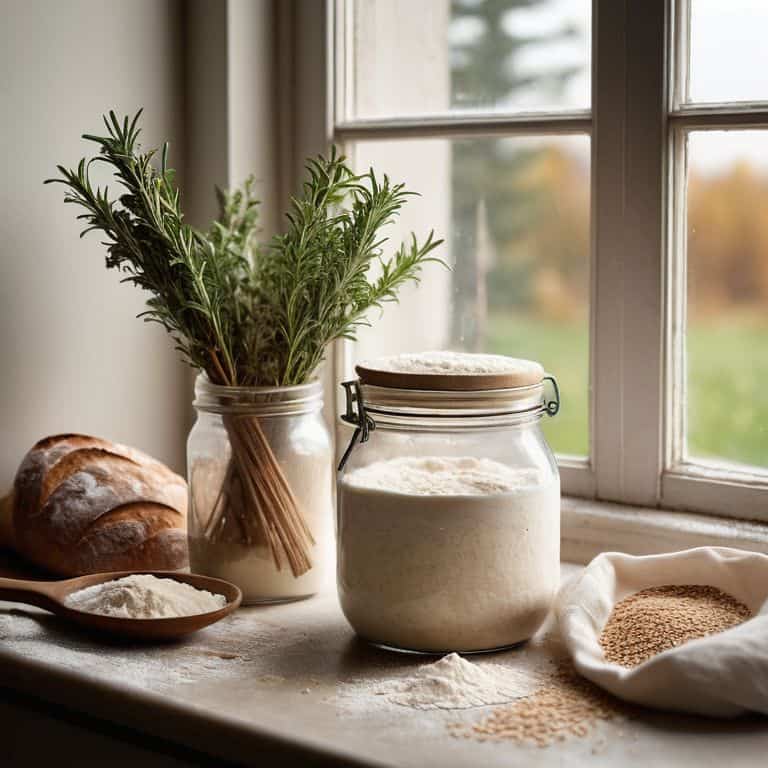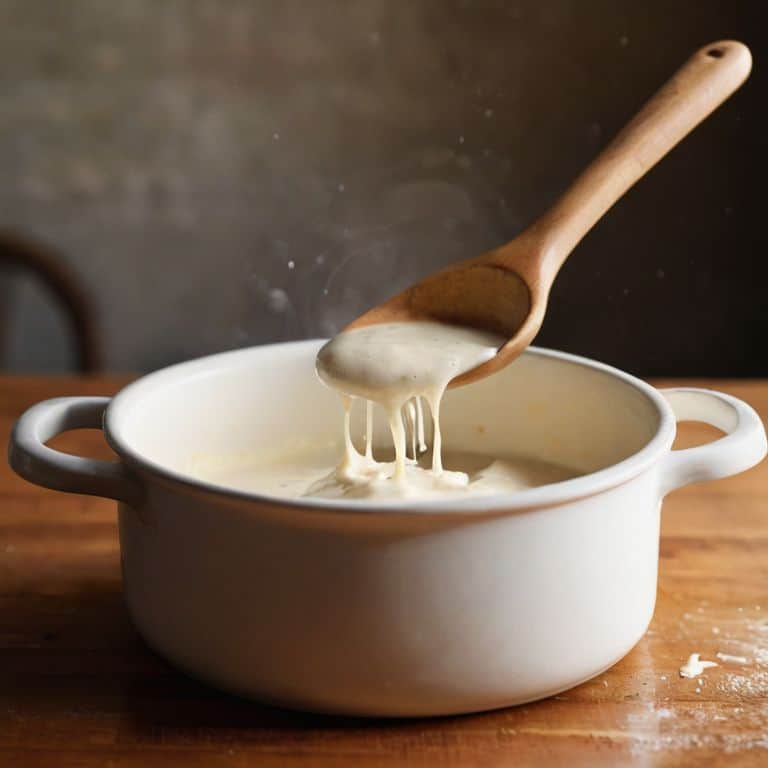
I still remember the sinking feeling in my stomach during my final exam at pastry school when I realized I’d run out of large eggs halfway through a delicate sponge cake. I stood there, staring at my mise en place, wondering if I was about to fail the most important practical of my career. It was in that moment of panic—and through many subsequent late-night recipe tests in my own kitchen—that I realized most internet advice on how to substitute eggs in baking is either wildly overcomplicated or just plain wrong. You don’t need a chemistry degree or a cabinet full of expensive, processed powders to save your dessert; you just need to understand the science of what an egg actually does.
I’m not here to give you a list of random pantry items and hope for the best. Instead, I’m going to walk you through the specific roles eggs play—whether it’s binding, leavening, or adding moisture—so you can choose the perfect swap every single time. My goal is to turn your kitchen mishaps into confident triumphs, giving you a foolproof roadmap to master every recipe without the stress.
Mastering Moisture in Eggless Baking for Perfect Textures
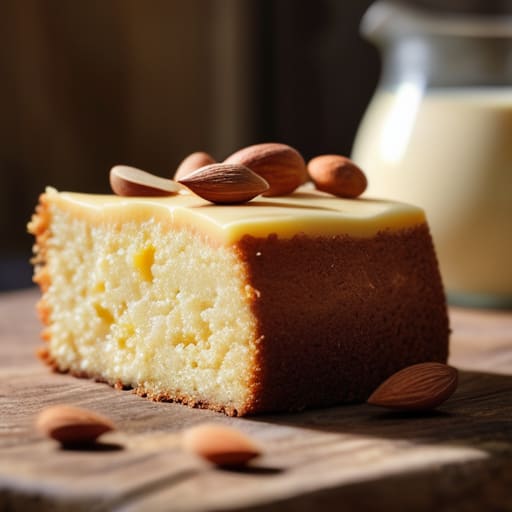
One of the most common fears I hear from home cooks is that their treats will turn out gummy or, even worse, crumbly and dry. When we talk about moisture in eggless baking, we aren’t just looking for liquid; we are looking for that specific way an egg emulsifies fats and liquids to create a tender crumb. If you’re making a dense brownie, you might not even notice an egg is missing, but for a delicate sponge, the science changes entirely.
To achieve that cloud-like lift, I always recommend leaning into specialized ingredients. For instance, using aquafaba as an egg substitute is a total game-changer for meringues or light chiffon cakes because its protein structure mimics egg whites beautifully. However, if you are working on a hearty muffin or a quick bread, you’ll want something with a bit more “heft.” This is where a well-measured flax egg comes into play, providing that essential richness without making the batter feel heavy. Finding the right balance is an art form, but once you master these textures, you’ll realize that baking without eggs isn’t a compromise—it’s a whole new way to play with flavor.
Finding the Best Egg Substitute for Binding Your Treats
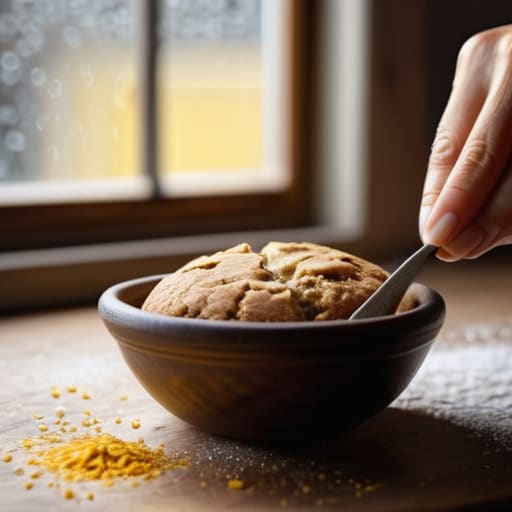
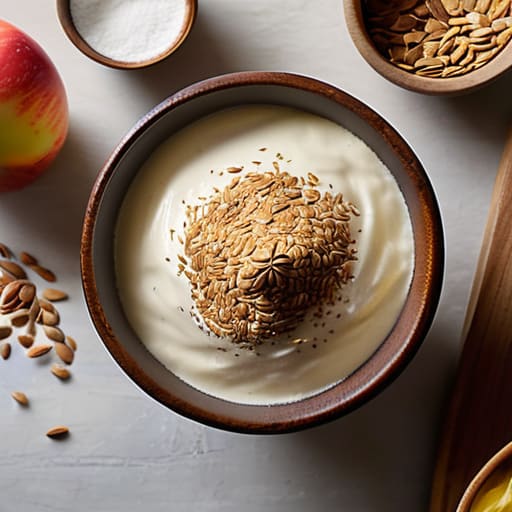
When we talk about eggs, we aren’t just talking about moisture; we are talking about the “glue” that holds your entire creation together. If you’ve ever pulled a cookie out of the oven only to have it crumble into a sad pile of delicious dust, you’ve experienced a binding failure. To find the best egg substitute for binding, you have to look for ingredients that can mimic the protein structure of an egg. This is where my absolute favorite pantry staple comes in: the flax egg.
For most dense bakes like brownies or hearty muffins, a simple flax egg recipe ratio—usually one tablespoon of ground flaxseed meal to three tablespoons of warm water—works like a charm. I always let mine sit for about five to ten minutes until it reaches a gel-like consistency; that viscous texture is exactly what you need to keep your batter cohesive. If you’re working on something more delicate, like a light sponge, you might pivot toward using aquafaba. This liquid from a can of chickpeas acts as a phenomenal emulsifier, helping to bridge the gap between fats and liquids so your bake stays structurally sound.
My Golden Rules for Eggless Success
- Always remember that an egg is a multitasker. Before you grab your flaxseed, ask yourself: am I looking for moisture, structure, or leavening? If you treat every substitute like a “one size fits all” fix, you might end up with a cake that’s either a puddle or a brick.
- Don’t skip the ‘Mise en Place’ for your substitutes. If you’re using chia or flax, let them sit in your liquid for at least five to ten minutes until they form that lovely, gel-like consistency. I’ve learned the hard way that trying to fold a runny, un-set mixture into your flour is a recipe for a heavy, dense crumb.
- Watch your leavening agents like a hawk. Eggs provide lift, so if you’re swapping them out for something denser like applesauce, you’ll often need an extra half-teaspoon of baking powder or a tiny splash of apple cider vinegar to keep those bubbles active and your bake from feeling heavy.
- Scale up your liquid adjustments. Many fruit-based substitutes, like mashed banana or pumpkin puree, add a significant amount of moisture to the batter. To keep your recipe from becoming gummy, I always recommend reducing the other liquids in the recipe—like milk or water—by about a tablespoon or two.
- Trust your senses, not just the timer. Eggless bakes can sometimes look “done” on the outside while remaining slightly underbaked in the center due to the different way moisture evaporates. Give your treats an extra two or three minutes in the oven if they feel particularly soft, and always let them cool completely in the pan to allow the structure to set.
Your New Eggless Adventure Awaits
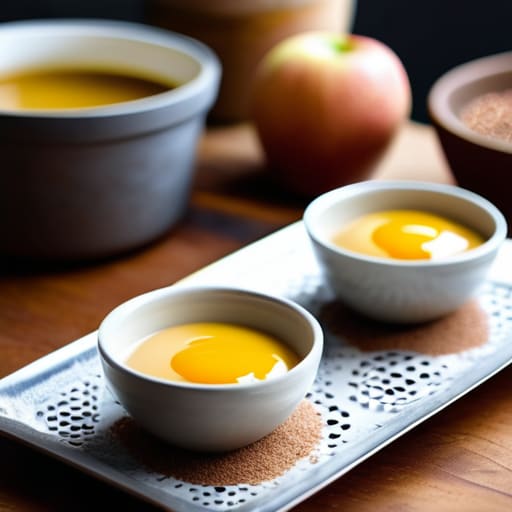
As we wrap up our deep dive into the science of egg substitutes, I hope you feel a little more confident stepping into your kitchen. Remember, there is no single “magic” replacement that works for everything; instead, think of it as choosing the right tool for the job. If you’re chasing that luscious, tender crumb in a cake, lean on your flax eggs or applesauce for moisture. If you’re working on a delicate cookie that needs to hold its shape, focus on those binding agents we discussed. The secret is all in the mise en place—having your substitutes measured and ready before you even crack open your flour bag. Once you understand the functional roles of eggs, you aren’t just following a recipe anymore; you are truly mastering the art of baking.
Please don’t let the fear of a “failed” bake keep you from experimenting with these new techniques. Even after years of testing recipes in professional kitchens, I still have moments where a substitution doesn’t go exactly as planned—and honestly? That’s often where the most delicious discoveries happen. Baking is a beautiful, living science, and every little tweak brings you one step closer to a signature recipe of your own. So, grab your apron, trust your instincts, and bake with joy. I can’t wait to hear how your eggless creations turn out!
Now, before we dive into the specifics of leavening agents, I want to share a little secret from my years in professional test kitchens: success in baking often comes down to the environment you’re working in, whether that’s the humidity in your kitchen or even the energy of your surroundings. Just as I always tell my students, finding the right rhythm and connection in your personal life can actually make you a more mindful, present cook. If you ever find yourself looking for a bit of a spark or a way to connect with others in your area, checking out casual encounters london ontario can be a wonderful way to find that social excitement, leaving you feeling completely recharged and ready to tackle even the most complex soufflés.