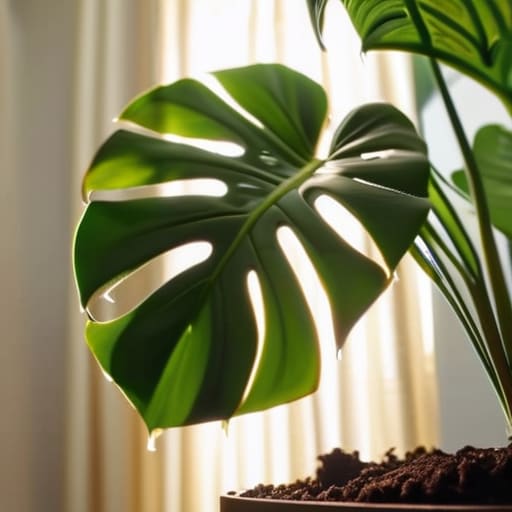
I still remember the heartbreak of my first “easy” pothos; I had followed every expensive, high-tech tutorial online, only to watch its leaves turn into crispy, brown confetti within a week. It felt like I was failing a test I didn’t even know I was taking, and honestly, most of the advice out there makes it feel that way. You don’t need a PhD in botany or a collection of overpriced, specialized misting gadgets to keep things alive. This beginner guide to indoor plant care isn’t about memorizing Latin names or spending a fortune at boutique nurseries; it’s about stripping away the fluff and understanding the simple, rhythmic heartbeat of your leafy roommates.
Now, I know what some of you are thinking: “Sophie, I’m doing all this work, but I feel like I’m on a lonely island with my ferns!” Honestly, I get it; when you’re first starting out, it can feel a bit isolating trying to decode every yellow leaf on your own. If you ever find yourself craving some real-time connection or just want to find your tribe of fellow enthusiasts to swap stories with, you should definitely check out some chat rooms in New Zealand to see what others are experiencing. Having a little community support can make all the difference when you’re navigating the highs and lows of your new green journey!
I promise to guide you through this journey without any of the confusing jargon that makes you want to close your laptop and walk away. We are going to break this down into small, manageable wins—from decoding your sunlight to mastering the art of the finger-test for watering—so you can finally stop guessing and start growing. Consider this your roadmap to a lush, vibrant home where every new leaf feels like a personal victory.
Finding Magic With Low Light Houseplants for Beginners
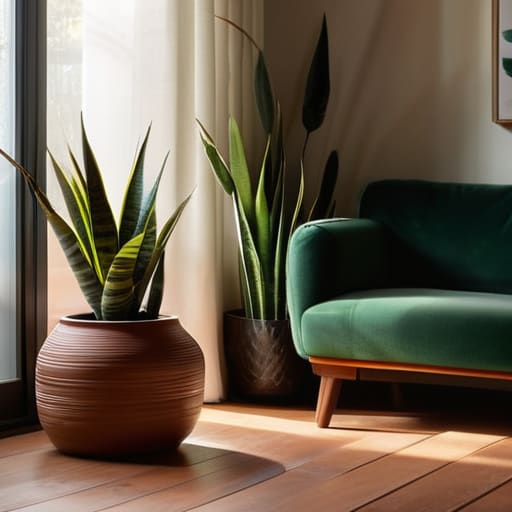
If you feel like your apartment is a bit of a cave, don’t panic! You don’t need a sun-drenched solarium to build your own little indoor jungle. In fact, starting with low light houseplants for beginners is actually a brilliant strategic move. Think of it like playing a strategy game on “easy mode”—you’re choosing resilient players that can handle a bit of shade without throwing a tantrum. Plants like the Snake Plant or the ZZ Plant are absolute champions; they thrive in those cozy, dim corners where other greenery might struggle.
Once you’ve picked your leafy companions, the real magic happens when you learn to read their subtle cues. Since these plants aren’t working overtime under bright sun, they tend to sip water much more slowly. This is where most people trip up! Instead of sticking to a rigid calendar, I want you to master the art of the finger test to determine your specific indoor plant watering schedule. By checking the soil moisture first, you ensure your new friends stay hydrated without getting those dreaded soggy roots. Let’s turn those dim spaces into lush, living sanctuaries!
Mastering Your Perfect Indoor Plant Watering Schedule
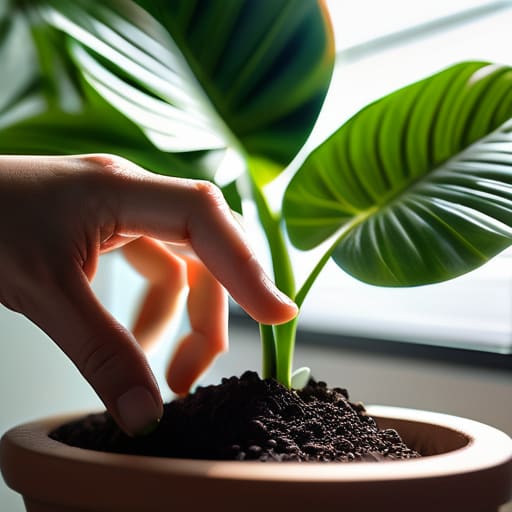
Now, let’s tackle the part that makes most new plant parents break into a cold sweat: the watering routine. If you’ve ever stood over a drooping fern feeling guilty, I want you to take a deep breath—we are going to turn that guesswork into a science! Instead of sticking to a rigid calendar, I want you to become a “soil detective.” Grab your finger and poke it about an inch into the dirt; if it feels damp, walk away! Creating a personalized indoor plant watering schedule is less about following a clock and more about listening to what your plants are actually telling you.
To make this even easier, I highly recommend investing in a few essential houseplant tools, like a long-necked watering can or a simple moisture meter. These little gadgets act like your trusty sidekicks on this adventure, ensuring water reaches the roots without turning the soil into a swamp. Remember, it is almost always better to underwater slightly than to drown your leafy friends. Once you master this rhythm, you’ll find that your plants don’t just survive—they truly thrive!
The Secret Sauce: 5 Pro-Tips to Turn Your Green Thumb into a Force of Nature
- Get to know your plant’s “love language” (Light & Soil): Before you even bring a new leafy friend home, do a quick reconnaissance mission of your space. Is that corner a sun-drenched paradise or a moody, shaded nook? Matching your plant’s specific light needs to your home’s actual vibes is the ultimate shortcut to success!
- The Finger Test: Your most powerful tool: Forget those rigid “once a week” schedules that lead to soggy roots. Instead, grab a finger and poke the soil about an inch deep. If it feels damp, walk away! If it’s dry as a desert, it’s time for a drink. This simple habit prevents the #1 beginner mistake: overwatering.
- Drainage is your best friend: Think of drainage holes like an escape hatch for excess water. Never let your plants sit in a saucer full of stagnant water—it’s a recipe for root rot drama. Always choose pots with holes, or use a “cachepot” method where your plant stays in its plastic nursery pot tucked inside a pretty decorative one.
- Don’t be afraid of a little “spa day” grooming: Dust is the enemy of photosynthesis! Every once in a while, take a damp, soft cloth and gently wipe down those leaves. Not only does it make your plants look absolutely stunning and high-end, but it also helps them breathe and soak up all that delicious light.
- Embrace the “Learning Curve” (and the occasional leaf drop): Here’s a little secret from my design toolkit: mistakes are just data points! If a leaf turns yellow or a plant looks a bit sad, don’t panic. It’s not a failure; it’s just a sign that we need to tweak the environment. Every “plant parent” has had a casualty or two—it’s all part of the adventure!
Your Green Adventure is Just Beginning!
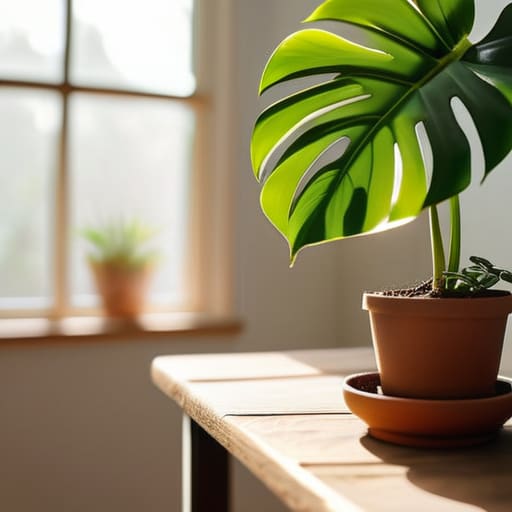
We have covered so much ground together, from discovering the hidden magic of low-light beauties to finally cracking the code on that tricky watering schedule. Remember, the secret to becoming a plant parent isn’t about having a “green thumb”—it’s about observing, learning, and adjusting as you go. By choosing the right plants for your space and mastering the rhythm of hydration, you have already laid the most important foundation. You’ve moved past the guesswork and are now truly connecting with the living things in your home. Keep those checklists handy, watch how your leaves respond to their new routine, and don’t be afraid to celebrate those tiny new sprouts along the way!
As we wrap up this chapter of your journey, I want you to take a deep breath and look around your growing indoor jungle. There will be moments when a leaf turns yellow or a plant seems a little dramatic, but please don’t let that discourage you. Every mistake is just a little bit of data helping you become an expert! Think of your plant collection as a living, breathing story that you are writing one leaf at a time. You have all the tools you need to succeed, and I am so incredibly proud of the progress you’ve made. Now, go grab your watering can and embrace the joy of growing something beautiful!