I still remember the first time I attempted baking pizza in a home oven. I was excited to recreate my favorite dish, but the outcome was far from perfect. The crust was soggy, the toppings were unevenly cooked, and the whole experience left me feeling frustrated. But I didn’t give up. I experimented with different techniques, tested various recipes, and learned from my mistakes. Now, I’m passionate about sharing my knowledge with you, so you can avoid the common pitfalls and achieve a delicious, homemade pizza.
In this article, I’ll guide you through the process of baking pizza in a home oven, providing you with practical tips and honest advice. You’ll learn how to prepare the perfect dough, choose the right toppings, and cook your pizza to perfection. My goal is to empower you with the confidence to create your own signature pizzas, without the need for expensive equipment or complicated recipes. By the end of this journey, you’ll be able to enjoy a mouthwatering, homemade pizza that’s tailored to your taste preferences, and you’ll have the skills to experiment with new flavors and ingredients.
Table of Contents
- Guide Overview: What You'll Need
- Step-by-Step Instructions
- Baking Pizza in a Home Oven
- My Top 5 Tips for a Perfectly Baked Pizza
- Bringing It All Together: 3 Key Takeaways for the Perfect Homemade Pizza
- The Heart of Homemade Pizza
- Bringing It All Together: The Perfect Homemade Pizza
- Frequently Asked Questions
Guide Overview: What You'll Need
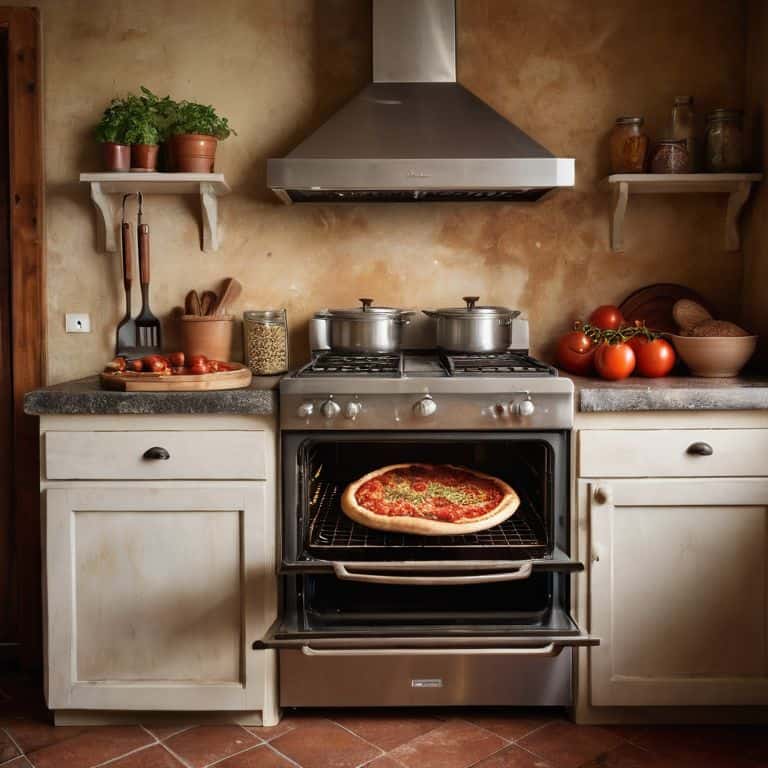
Total Time: 1 hour 30 minutes
Estimated Cost: $15 – $30
Difficulty Level: Easy
Tools Required
- Oven preheated to 450 degrees Fahrenheit
- Baking Sheet 12 inches x 18 inches
- Pizza Peel optional
- Oven Mitts for handling hot pans
Supplies & Materials
- Pizza Dough homemade or store-bought
- Pizza Sauce homemade or store-bought
- Shredded Cheese mozzarella or blend
- Toppings varies by personal preference
- Olive Oil for greasing the baking sheet
Step-by-Step Instructions
- 1. First, let’s start by preheating our oven to the perfect temperature, which is essential for baking a delicious homemade pizza. I like to think of it as setting the stage for a culinary masterpiece. To do this, simply turn on your oven and set it to 450-500°F (230-260°C), depending on your oven’s capabilities and the type of crust you’re aiming for. While the oven is heating up, you can begin preparing your ingredients.
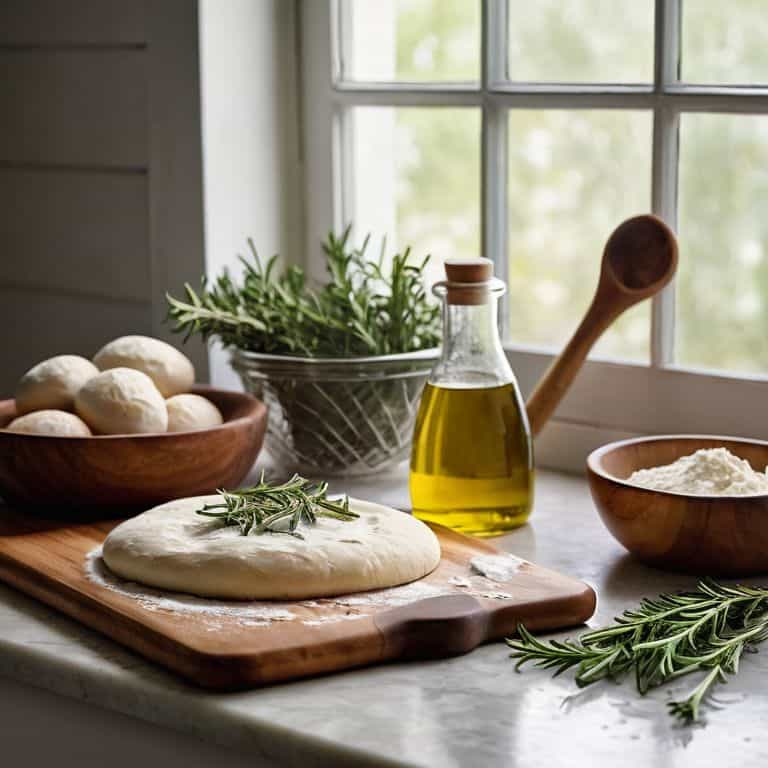
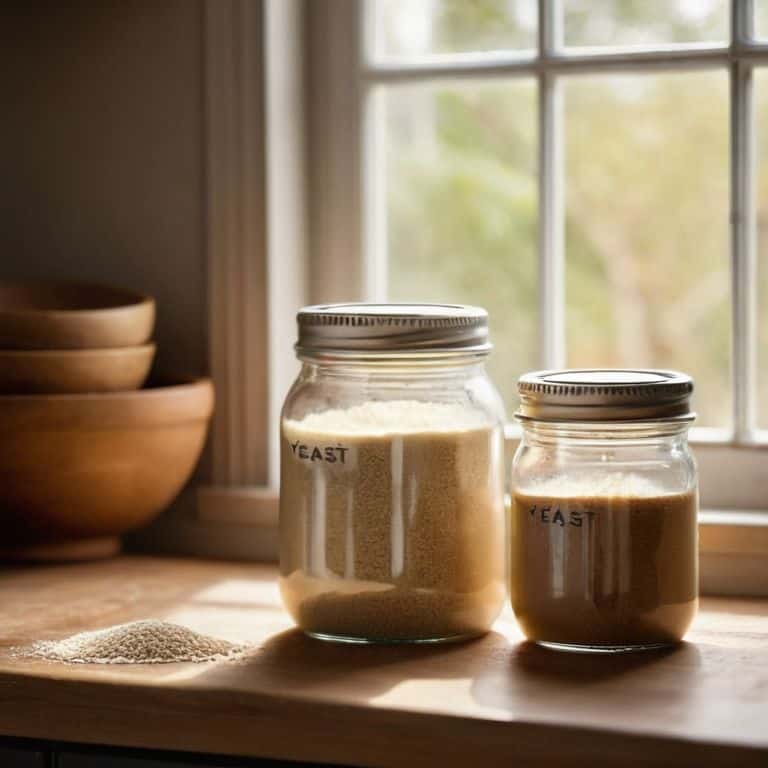
- 2. Next, it’s time to prepare the _foundation_ of our pizza: the dough. If you’re using a pre-made dough, follow the package instructions for thawing and rising. If you’re making your own dough from scratch, combine 1 cup of warm water, 2 teaspoons of sugar, and 1 teaspoon of active dry yeast in a large mixing bowl. Let the mixture sit for about 5-10 minutes, or until the yeast becomes _frothy and bubbly_. Then, add 3 cups of all-purpose flour, 1 teaspoon of salt, and any other desired seasonings, mixing until a sticky dough forms.
- 3. Now, let’s move on to the sauce, which adds a rich, tangy flavor to our pizza. To make a simple yet delicious sauce, combine 2 cups of crushed tomatoes, 1/4 cup of olive oil, 4 cloves of minced garlic, and 1 teaspoon of dried oregano in a bowl. Mix all the ingredients together until you get a smooth, _velvety texture_. You can also add a pinch of salt and a grind of black pepper to taste. Set the sauce aside, ready to be spread over your dough.
- 4. With our sauce prepared, it’s time to shape the dough into a perfect circle or rectangle, depending on your preference. To do this, _dust a clean surface_ with a bit of flour and place the dough in the center. Use your hands or a rolling pin to shape the dough into your desired shape, making sure it’s evenly thick and has a slight _crust forming_ around the edges. Don’t worry if it’s not perfect – a homemade pizza is all about character.
- 5. Now that our dough is shaped, it’s time to add the sauce and our favorite toppings. Spread a thin, _even layer_ of the sauce over the dough, leaving a small border around the edges. Then, add your desired toppings, such as mozzarella cheese, pepperoni, mushrooms, or bell peppers. Be mindful not to overload the pizza, as this can make the crust soggy.
- 6. Once our pizza is topped to perfection, it’s time to add a sprinkle of mozzarella cheese, which will melt beautifully in the oven. You can also add some grated Parmesan cheese for an extra burst of flavor. Make sure to spread the cheese evenly, covering all the toppings and reaching the edges of the crust.
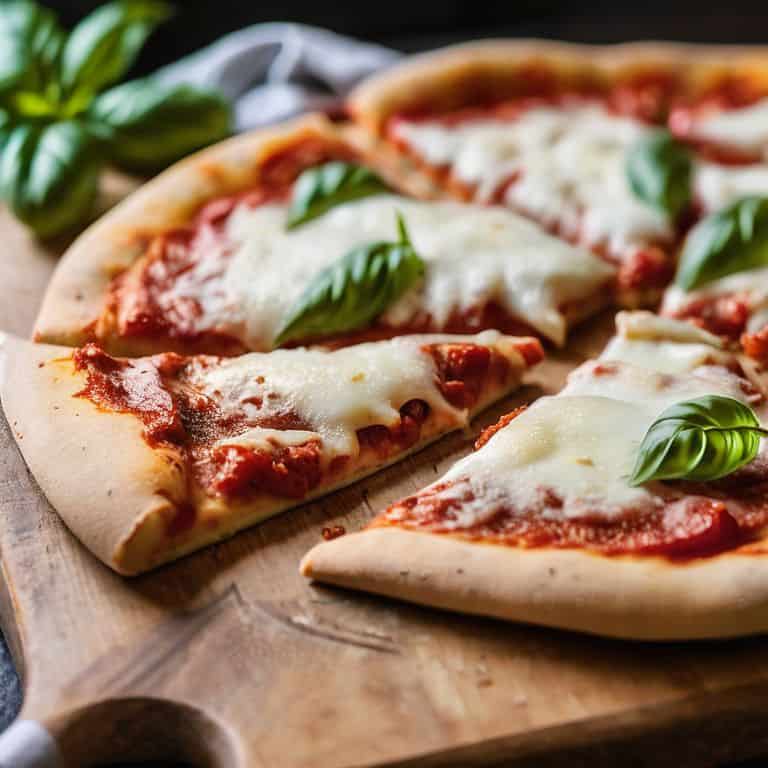
- 7. Finally, it’s time to bake our pizza to perfection. Place the pizza on a _preheated baking stone_ or a regular baking sheet, and bake for 12-15 minutes, or until the crust is golden brown and the cheese is melted and bubbly. Keep an eye on the pizza during the last few minutes of baking, as the cooking time may vary depending on your oven and the thickness of the crust. When it’s done, remove the pizza from the oven and let it cool for a few minutes before slicing and serving.
Baking Pizza in a Home Oven
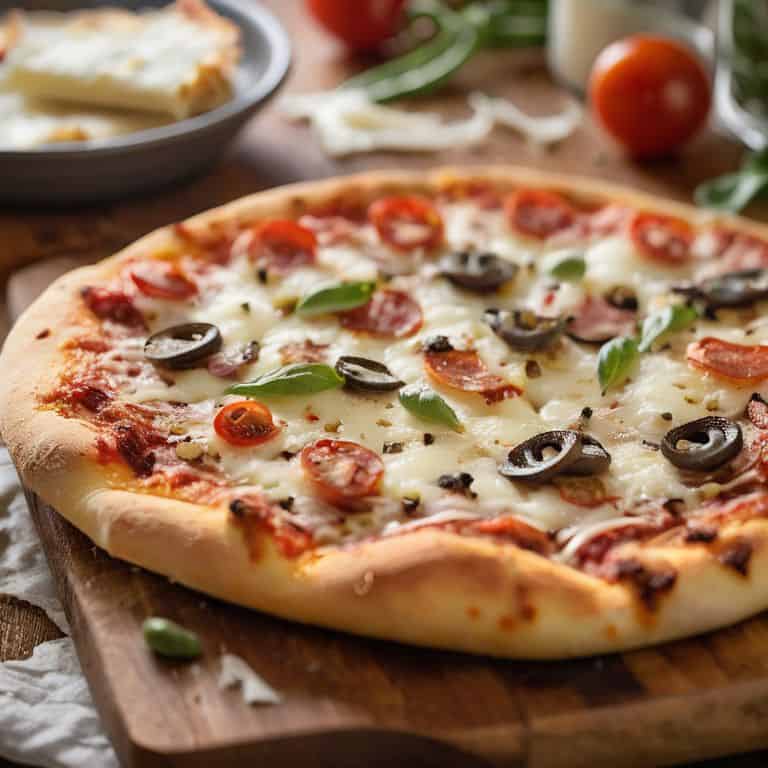
As we dive into the world of homemade pizza, it’s essential to consider the preheating techniques for pizza that will elevate our crust game. I like to think of preheating as a ritual that sets the tone for a perfect pie. By allowing our oven to reach the ideal temperature, we ensure a crispy crust and a well-cooked topping. When it comes to choosing the right cheese for pizza, I always say that a blend of mozzarella and parmesan is the way to go. The creaminess of mozzarella pairs perfectly with the salty, nutty flavor of parmesan, creating a rich and satisfying flavor profile.
When it comes to pizza baking time and temperature, it’s crucial to find the sweet spot. A temperature that’s too high can result in a burnt crust, while a temperature that’s too low can lead to a soggy mess. I recommend baking your pizza at a moderate temperature, around 425°F, for 12-15 minutes. This allows the crust to cook evenly and the toppings to melt and meld together beautifully. To ensure your crust turns out perfectly, make sure to handle the pizza dough with care, gently stretching and shaping it to your desired thickness.
To take your pizza game to the next level, consider investing in a pizza stone. These stones absorb moisture and distribute heat evenly, resulting in a crispy crust that’s hard to achieve with a regular baking sheet. When it comes to pizza stone care and maintenance, simply wipe it clean with a damp cloth after each use and avoid using soap or harsh chemicals. With a little practice and patience, you’ll be whipping up delicious homemade pizzas like a pro, and your friends and family will be begging for more.
Mastering Homemade Pizza Sauce Recipes
To create the perfect pizza, we need a rich and tangy sauce to bring all the flavors together. I’m obsessed with homemade pizza sauce recipes, and I’ve spent years perfecting my own. It all starts with San Marzano tomatoes, which have a naturally sweeter flavor than other varieties. I like to combine them with a drizzle of extra virgin olive oil, a pinch of salt, and a sprinkle of sugar to balance out the acidity.
By cooking the sauce slowly over low heat, we can coax out the deep, velvety flavors that make a great pizza truly unforgettable. I’ve found that a mixture of garlic, onion, and fresh basil adds a depth of flavor that’s simply irresistible. With just a few simple ingredients and some patience, you can create a homemade pizza sauce that rivals your favorite pizzeria.
Preheating Secrets for Perfect Crust
To achieve that perfect crust, preheating is key. I like to think of it as setting the stage for a delicious homemade pizza. Preheating your oven to the right temperature, usually around 450-500°F (230-260°C), is crucial. This high heat will help create a crispy crust, while also cooking the toppings evenly.
By preheating your oven with a pizza stone inside, you’ll get an extra crispy crust. The stone absorbs moisture and distributes heat evenly, giving your crust a nice char. Remember to preheat the stone for at least 30 minutes before baking – it makes all the difference. With these preheating secrets, you’ll be well on your way to a perfectly baked crust, every time.
My Top 5 Tips for a Perfectly Baked Pizza
- Use a pizza stone in your home oven to mimic the brick ovens of Italy, ensuring a crispy crust and well-cooked base
- Select the right type of flour for your dough, as it can make all the difference in the texture and flavor of your crust
- Don’t overload your pizza with toppings, as this can lead to a soggy crust and uneven cooking – balance is key
- Invest in a pizza peel or a piece of parchment paper to make transferring your pizza to the oven a breeze, reducing the risk of accidents and mishaps
- Keep an eye on your pizza’s temperature, aiming for a internal temperature of 200-250°F (90-120°C) to ensure the cheese is melted and the crust is golden brown, but not burnt
Bringing It All Together: 3 Key Takeaways for the Perfect Homemade Pizza
Preheating your oven to the perfect temperature is crucial, as it sets the stage for a deliciously crispy crust – I recommend preheating to 550°F (290°C) with a pizza stone inside for an extra crispy base
Mastering a simple yet flavorful homemade pizza sauce recipe can elevate your pizza game, and it’s easier than you think – just remember to use high-quality ingredients like San Marzano tomatoes and fresh basil
With a little practice and patience, you can achieve a perfectly cooked, restaurant-quality pizza in the comfort of your own home – don’t be afraid to experiment with different toppings and combinations to find your new favorite pie
The Heart of Homemade Pizza
Baking pizza in a home oven is not just about following a recipe, it’s about crafting a story of flavors, textures, and love that brings people together, one perfectly baked crust at a time.
Julia Ashwood
Bringing It All Together: The Perfect Homemade Pizza

As we’ve journeyed through the process of baking pizza in a home oven, we’ve covered some essential steps, from preheating secrets that ensure a perfect crust to mastering homemade pizza sauce recipes that add a depth of flavor. These elements, combined with a careful selection of toppings and a bit of patience, will help you create pizzas that rival those from your favorite pizzeria. Remember, the key to a great homemade pizza is in the details, so don’t skip the mise en place and make sure your ingredients are ready to go before you start assembling your pie.
Now that you have the tools and the knowledge, it’s time to get creative and make this recipe your own. Don’t be afraid to experiment with different toppings and sauces – after all, the beauty of baking pizza in a home oven is that you can tailor each pie to your tastes. As you take your first bite of a perfectly baked, homemade pizza, remember that the joy of cooking is not just about the end result, but about the journey itself. So, go ahead, get baking, and savor every moment of it!
Frequently Asked Questions
What are some common mistakes to avoid when preheating the oven for a homemade pizza?
When preheating your oven for a homemade pizza, beware of a few common pitfalls! Don’t overcrowd the oven, as this can affect temperature distribution. Also, avoid under or over-preheating, as this can impact crust texture. Make sure to preheat your stone or baking steel too, if using, for an extra crispy crust.
How can I achieve a crispy crust on the bottom of my pizza without overcooking the toppings?
To achieve a crispy crust, try baking your pizza on a preheated stone or baking steel for 4-5 minutes, then finish under the broiler for an extra 1-2 minutes to melt the toppings. This dual-heat method ensures a golden crust without overcooking the top.
Are there any specific types of flour that are better suited for making homemade pizza dough in a home oven?
For homemade pizza dough, I swear by using either Caputo or All-Purpose flour with a high protein content. These types of flour will give you a deliciously chewy crust with just the right amount of crunch. Trust me, the difference is noticeable!