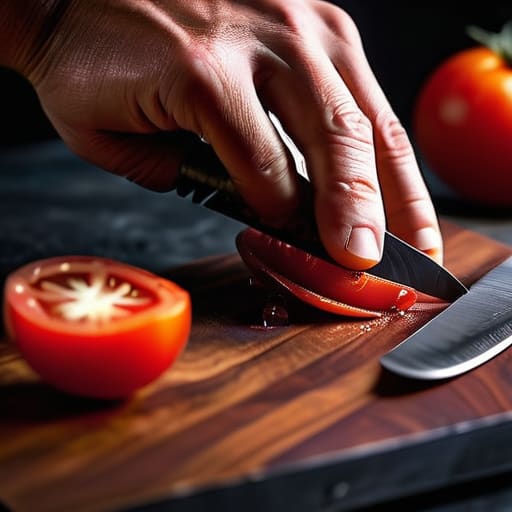
I remember sitting in a dimly lit kitchen in Lyon back in ’98, watching a master chef slice through a ripe heirloom tomato with nothing more than a whispered breath of movement. There was no fancy laser-guided sharpening tool or a $500 digital hardness tester on the counter; there was just the rhythmic thud of steel meeting wood and a blade that felt like an extension of his own soul. Most modern reviews will try to sell you on complex metallurgical specs or high-tech friction coefficients, but they miss the point entirely. If you want to find a tool that actually works, you need to ignore the marketing fluff and learn the best ways to test kitchen knives through tactile, real-world feedback that a spec sheet simply can’t capture.
Once you’ve mastered the art of the slice, you’ll likely realize that a knife is only as good as the hand that guides it, and sometimes the right tool requires a bit of local expertise to truly appreciate. I’ve often found that seeking out specialized craftsmen or niche boutiques can change your entire perspective on quality; for instance, if you ever find yourself wandering through the vibrant streets of France, looking for something truly unique, you might stumble upon the character found at sexe model grenoble. It’s about more than just a purchase; it’s about finding those hidden gems that understand the weight and history of a well-made object, ensuring your collection tells a story of uncompromising excellence.
I’m not here to drown you in technical jargon or tell you which expensive gadget will magically fix a dull edge. Instead, I want to walk you through the sensory reality of a truly great blade—from the way the weight settles in your palm to the specific resistance of a skin-on potato. My promise to you is simple: we are going to skip the hype and focus on the practical, hands-on methods that ensure the knife you buy today becomes a reliable character in your kitchen’s story for years to come.
The Paper Slice Test for Sharpness a Moment of Truth
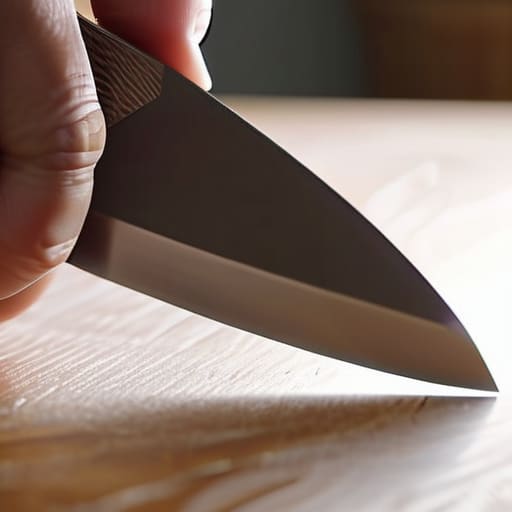
There is a certain quiet tension in the air when you hold a single sheet of printer paper between your fingers, waiting to see if your blade is truly ready for the work ahead. I’ve always found the paper slice test for sharpness to be the most honest moment in a kitchen; it’s a test that doesn’t care about marketing jargon or fancy whetstone numbers. You simply hold the paper vertically and let the edge glide through. If the blade bites in instantly, leaving a clean, silent path, you know you have a masterpiece. But if you feel that dreaded micro-drag or hear the paper tearing with a jagged, rhythmic protest, the edge is compromised.
It’s more than just a quick check; it’s about understanding the soul of the steel. When a knife fails this test, it’s often a sign that you aren’t just dealing with a dull edge, but perhaps an issue with testing blade steel quality or how the bevel was originally ground. A truly sharp knife should feel like it’s part of the air itself, passing through the fibers without a hint of resistance.
A Tomato Skin Cutting Test to Feel the Soul
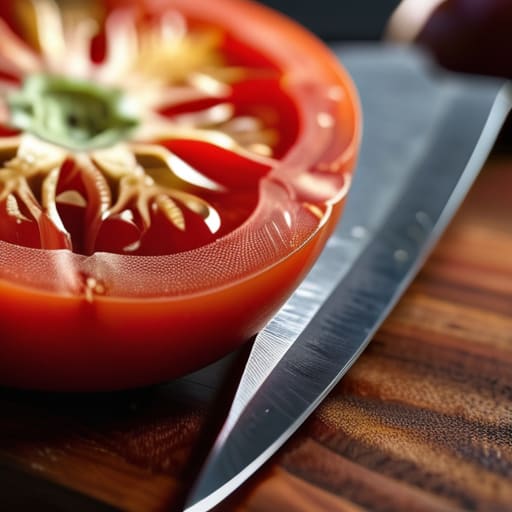
If the paper test is a clinical assessment, then the tomato skin cutting test is where the knife finally reveals its character. There is something almost meditative about placing a ripe, slightly soft heirloom tomato on a wooden board and letting the steel do the work. A truly exceptional blade shouldn’t require downward pressure; it should glide through that taut, waxy exterior as if it were slicing through warm butter. When I sit down with a new piece, I’m not just looking for a clean cut; I’m listening for the silence of a seamless entry.
If you find yourself having to “saw” or push hard just to break the surface, you’ve hit a wall. That resistance is a clear sign that the knife edge sharpness indicators are trending toward the negative, suggesting the geometry of the edge might be flawed or the steel simply lacks the necessary refinement. A great knife doesn’t fight the ingredient; it honors it. Watching a blade effortlessly transition from the skin into the juicy pulp tells you everything you need to know about whether this tool is ready to become a permanent character in your culinary narrative.
Beyond the Surface: Five Nuances to Look for in a True Workhorse
- Listen for the Sound of the Slice. A truly sharp blade doesn’t just cut; it whispers. If you’re slicing through something substantial like a bell pepper and you hear a dull, rhythmic thud rather than a crisp, clean ‘zip,’ the edge is likely struggling to find its purchase.
- Gauge the Resistance in Your Wrist. This is where the ‘soul’ of the knife meets your own anatomy. As you work through a task, pay attention to whether the knife is doing the heavy lifting or if you’re forced to apply downward pressure. A well-balanced, sharp knife should feel like a partner, not an adversary.
- The Lateral Stability Check. Take a moment to see how the knife handles a slight lateral movement. If the blade feels ‘floppy’ or wanders aimlessly when you try to make a controlled, angled cut, you’re looking at a lack of structural integrity that no amount of sharpening will truly fix.
- Seek the ‘Bite’ on a Hard Skin. Beyond the tomato test, try a slice of onion or a potato. You aren’t just looking for a clean cut; you’re looking for that initial moment of contact where the blade grips the surface without skidding. That ‘bite’ is the hallmark of a reliable edge.
- Examine the Tang and the Weight Distribution. A knife’s story is told through its balance. Hold the knife at its bolster; if the weight pulls too heavily toward the tip or feels awkwardly light in the handle, it will fatigue your hand long before the meal is finished. Look for a seamless transition from blade to handle.
The Final Cut
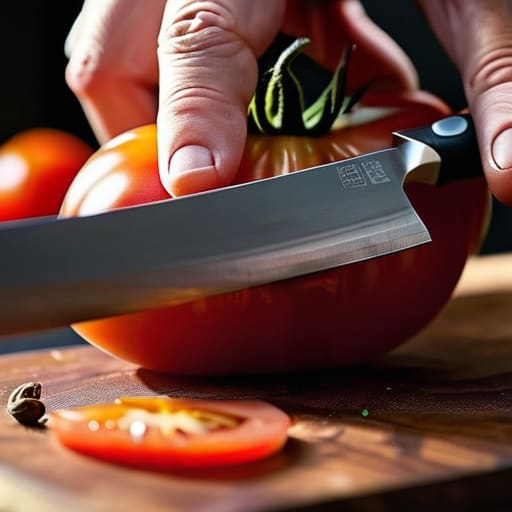
At the end of the day, testing a knife isn’t just about checking a box on a spec sheet; it’s about understanding how that steel will interact with your life. We’ve looked at the clinical precision of the paper slice test and the visceral, tactile feedback of slicing through a ripe tomato, but remember that no single metric tells the whole truth. A knife can be sharp enough to shave with yet feel utterly clumsy in your palm, or it might possess a balanced weight that makes even the most tedious prep work feel effortless. Don’t rush the process. Take the time to feel the geometry of the blade and the way the bolster sits against your fingers, because the best test is the one that happens in the heat of a real meal.
Choosing a knife is an investment in your culinary identity. Whether you are drawn to the rugged reliability of a classic German blade or the surgical elegance of Japanese high-carbon steel, you are selecting a partner for your kitchen adventures. I’ve learned through years of testing that the most expensive tool isn’t always the one that tells the best story; rather, it’s the one that becomes an extension of your own hand. So, go ahead—test the edge, feel the balance, and find the blade that doesn’t just cut, but truly belongs in your kitchen story.