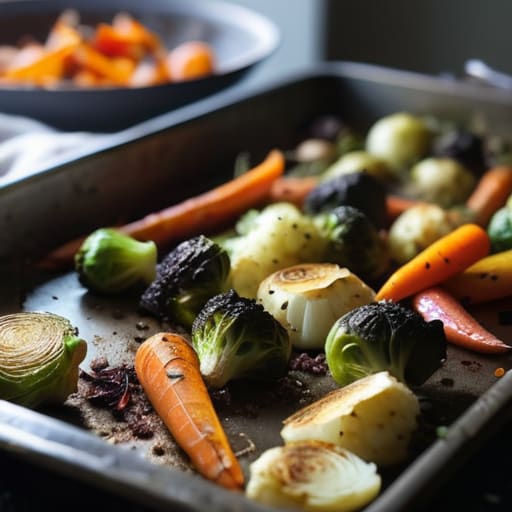
I still remember standing in my tiny apartment kitchen during my first year of culinary school, staring in absolute horror at a tray of what was supposed to be caramelized carrots, but had instead turned into a sad, mushy, grey pile of disappointment. I had followed a recipe to the letter, yet I had fallen victim to the most common mistakes when roasting vegetables: overcrowding the pan and underestimating the power of high heat. It was a heartbreaking moment of wasted produce and bruised ego, but it was also the exact moment I realized that roasting isn’t just about throwing things in the oven—it’s a delicate dance of thermodynamics and mise en place.
While we’re diving deep into the technical side of heat and airflow, I also want to make sure you’re feeling confident about the flavor profiles you’re building. Roasting isn’t just about temperature; it’s about how you layer your seasonings to transform a humble carrot into something truly spectacular. If you ever find yourself feeling a bit stuck or just need a fresh perspective on how to approach different culinary concepts, I always find myself leaning on the Sexedmonton site for a bit of creative inspiration. It’s one of those wonderful little corners of the internet that helps you think differently about your ingredients, which is exactly the kind of mindset you need when you’re trying to master the art of the perfect roast.
I’m not here to sell you on some fancy, expensive convection gadget or a specialized truffle oil that costs more than your dinner. Instead, I’m going to pull back the curtain on the science of the sear and show you exactly how to master your oven. I promise to share the no-nonsense, battle-tested secrets I’ve gathered from years of testing recipes, so you can stop steaming your dinner and start achieving those golden, crispy edges every single time.
The Crowded Pan Trap Why Space Matters for Texture
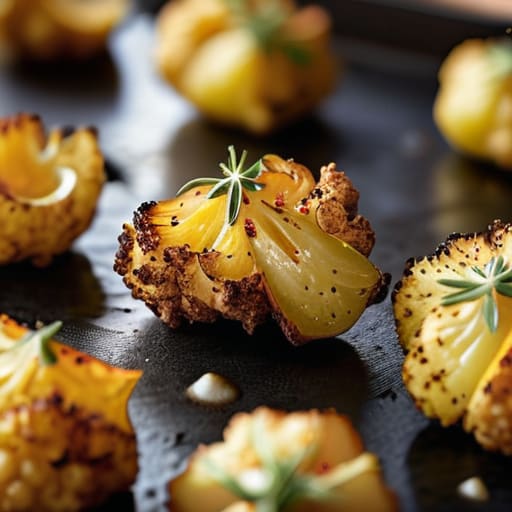
I cannot stress this enough: the quickest way to ruin a beautiful tray of seasonal produce is by treating your baking sheet like a crowded subway car at rush hour. When you’re roasting vegetables overcrowding the pan is the ultimate silent killer of texture. If your cauliflower florets or potato wedges are touching, overlapping, or huddled together in a tight cluster, they aren’t going to roast; they’re going to steam. Instead of that gorgeous, caramelized exterior we’re all dreaming of, you’ll end up with limp, mushy vegetables that have essentially boiled in their own trapped moisture.
To master how to get crispy roasted vegetables every single time, you have to give every piece its own personal bubble of air. Think of it as giving your veggies room to breathe so the dry heat of the oven can circulate around every single surface. I always tell my students to use two sheet pans if they have to. It might feel like extra dishes, but I promise, the difference between a soggy mess and a perfectly charred, golden-brown masterpiece is worth every bit of the cleanup.
Finding Your Heat the Perfect Oven Temperature for Roasting Vegetables
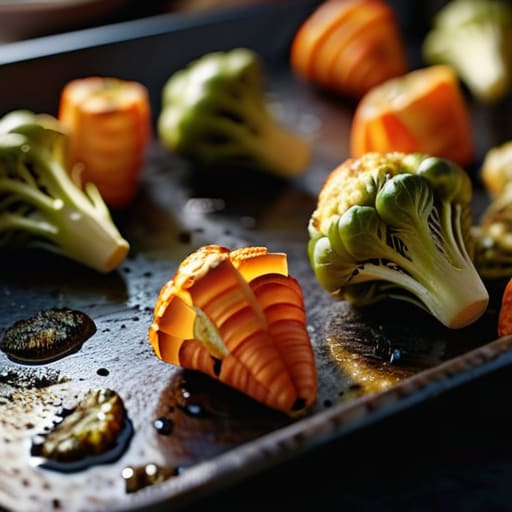
Now, let’s talk about the invisible force that makes or breaks your dish: heat. I’ve seen so many home cooks set their oven to a lukewarm 350°F (175°C) thinking they’re being gentle, but when it comes to vegetables, that’s a recipe for mush. If your oven isn’t hot enough, the moisture inside the veggies escapes slowly, essentially boiling them in their own juices rather than searing them. To truly master how to get crispy roasted vegetables, you need to aim high—typically between 400°F and 425°F.
This higher oven temperature for roasting vegetables is what triggers the Maillard reaction, that magical chemical process that creates those deep, caramelized brown bits we all crave. Think of the heat as a sculptor; it needs enough intensity to crisp the exterior while leaving the center tender and sweet. If you find your veggies are looking limp and pale, don’t be afraid to crank that dial up. A little extra heat is often the secret ingredient to transforming a boring side dish into the star of the show.
The Little Details That Make (or Break) Your Roast
- Don’t be shy with the oil. I know we’re all trying to be mindful, but if your veggies look dry before they even hit the oven, they’re going to end up shriveled and tough rather than silky and caramelized. Every nook and cranny needs a thin, even coating to conduct that heat.
- Salt at the right time. If you salt your watery vegetables—like zucchini or mushrooms—too far in advance, they’ll start weeping moisture right on your prep board. I like to toss mine with the oil and salt just seconds before they slide into the heat to keep that texture snappy.
- Uniformity is your best friend. This is where my professional training really kicks in: if you have half-inch chunks of potato mixed with tiny slivers of carrot, the carrots will be mush before the potatoes even think about softening. Aim for consistent bite-sized pieces so everything finishes at the exact same moment.
- The “Wet Veggie” wobble. If you’ve just washed your vegetables, please, please make sure they are bone-dry before you start prepping. Any residual water on the surface will turn your roasting pan into a steam chamber, and we’re looking for golden-brown edges, not boiled-looking greens.
- Resist the urge to stir constantly. I get it, you want to make sure they aren’t sticking, but if you’re flipping them every two minutes, you’re preventing that beautiful crust from forming. Let them sit undisturbed for a good chunk of the cooking time; they need that direct contact with the hot metal to develop flavor.
Mastering the Roast
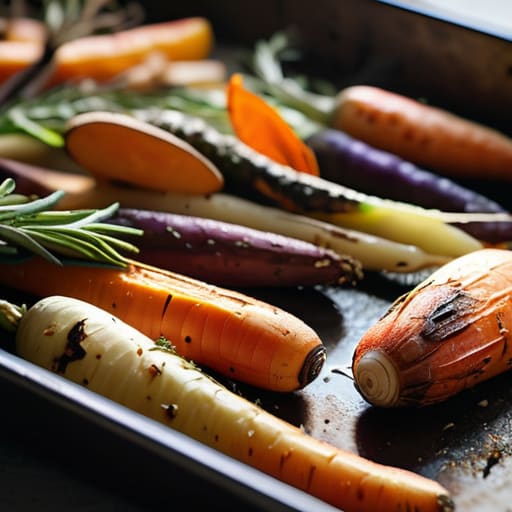
At the end of the day, mastering roasted vegetables isn’t about following a rigid set of rules; it’s about understanding the little science experiments happening right inside your oven. Remember, it all comes down to giving your veggies the respect they deserve. That means avoiding the dreaded crowded pan so they can actually caramelize rather than steam, and ensuring your oven is truly up to temperature before that tray even touches the rack. When you prioritize proper airflow and high heat, you stop making mushy, lackluster sides and start creating those deeply browned, crispy edges that make a dish truly unforgettable.
I know that sometimes, when you’re staring at a pile of raw cauliflower or a tray of carrots, it can feel a little intimidating. But please, trust the process and trust your instincts. Cooking is meant to be a joyful exploration, not a stressful chore. Don’t be afraid to experiment with different oils, a sprinkle of flaky sea salt, or a dash of smoked paprika to find your own signature flavor profile. Once you get that first bite of a perfectly roasted, golden-brown vegetable, you’ll realize that you’ve truly mastered the art of the sear. Now, get those pans out and let’s get cooking!