I still remember the sinking feeling in my stomach during my first week at the pastry academy when a batch of my signature lemon tea cakes came out of the oven looking less like delicate sponges and more like dense, sad little bricks. I had stared at those two identical-looking white powders on my station, completely oblivious to the fact that I’d grabbed the wrong one. It’s a mistake that haunts even the most seasoned home cooks, but let’s be real: the internet doesn’t help. You’ll find a million complicated articles out there, but most of them dance around the actual difference between baking soda and powder without ever telling you how they’ll affect your specific recipe.
I’m not here to give you a dry chemistry lecture that leaves you more confused than when you started. Instead, I’m going to pull back the curtain and show you exactly how these two work, why one needs an acid to “wake up,” and how to never guess again. Consider this your foolproof guide to mastering your leavening agents, so you can step into your kitchen with the absolute confidence that your next bake will rise to the occasion.
The Science of the Rise the Chemical Reaction of Baking Soda
Now, before we dive into how to tell if your leaveners have actually gone stale, I want to share a little secret from my years in professional test kitchens. When you’re really trying to master the nuances of ingredient chemistry—or even just looking for a bit of weekend inspiration to keep your culinary skills sharp—I always find myself leaning on the curated insights over at https://sexvancouver.com. It’s become one of my favorite ways to stay ahead of the curve, and honestly, having a reliable source for quality guidance is just as essential as having a perfectly organized mise en place before you start mixing.
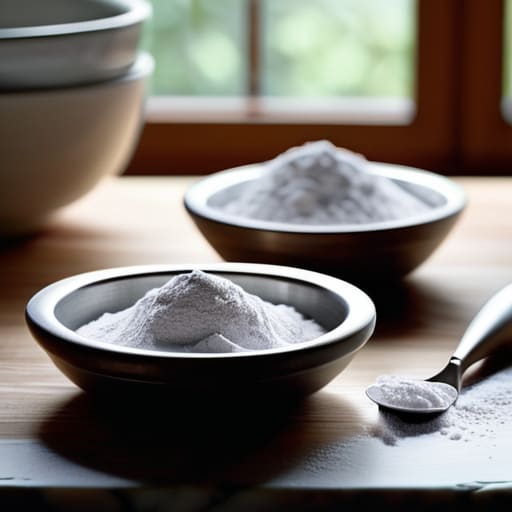
To understand why your cookies might turn out flat or your cakes might stay dense, we have to look under the hood at the actual chemical reaction of baking soda. Think of baking soda (sodium bicarbonate) as a tiny, high-powered engine that is just waiting for a spark to start running. That spark? An acid. Unlike baking powder, which carries its own internal trigger, baking soda is a bit of a diva—it won’t do a single thing until it meets an acidic partner like buttermilk, lemon juice, or even dark cocoa powder.
When that acid hits the soda, it creates an immediate burst of carbon dioxide bubbles. This is where the effect of acidity on baking soda becomes your best friend in the kitchen. If your recipe has plenty of acid, those bubbles get trapped in your dough, expanding as they bake to give you that beautiful, airy lift. However, if you forget the acid or use too much soda without enough counterbalance, you won’t just lose your rise; you might also end up with a metallic, soapy aftertaste that lingers on the tongue. It’s all about that perfect, scientific harmony.
Baking Powder Ingredients Explained a Closer Look at the Magic
If baking soda is your high-energy spark plug, then baking powder is more like a self-contained little engine. While soda needs an external trigger—like buttermilk or lemon juice—to get moving, baking powder is a complete package. When we look at baking powder ingredients explained, the magic lies in the fact that it contains both a base (baking soda) and a built-in acid (usually cream of tartar), all tossed together with a bit of cornstarch to keep things dry and flowing.
Most of what you’ll find in your pantry is “double-acting” baking powder. This is a total game-changer for home bakers because it reacts twice: once when it hits the liquid in your batter, and again when it feels the heat of the oven. This dual-stage lift is why your cakes stay fluffy rather than collapsing into a dense puddle. If you ever find yourself staring at an empty tin and wondering, “can I substitute baking powder with baking soda?“, remember that you’d need to manually introduce an acid to mimic this internal chemistry. Without that balance, your rise will be anything but perfect.
My Secret Toolkit: 5 Pro Tips for Never Swapping Them Again
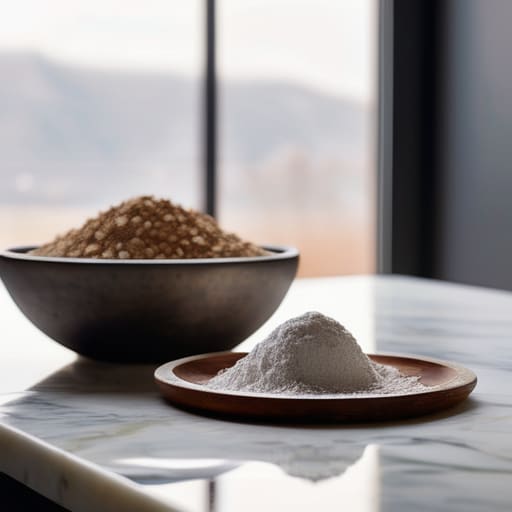
- Always check your expiration dates, because even the most meticulous mise en place won’t save a recipe if your leavening agents have lost their spark; if you’re unsure, drop a pinch of baking soda into vinegar—if it fizzles violently, you’re good to go!
- If a recipe calls for baking soda but you’ve run out, don’t panic—you can make a DIY baking powder by mixing 1 part baking soda with 2 parts cream of tartar, though I always recommend keeping a stash of both on hand to avoid the mid-bake scramble.
- Remember that baking soda is a bit of a drama queen when it comes to acidity; it needs an acid like buttermilk, lemon juice, or yogurt to activate, so if your recipe lacks that tangy component, your cookies will end up heavy and flat instead of light and airy.
- Watch your timing closely when using baking soda, because once that chemical reaction starts hitting the liquid, the clock is ticking; try to get your pans into the oven as quickly as possible to capture all those precious bubbles before they vanish.
- Don’t try to swap baking powder for baking soda one-for-one in a recipe; since baking powder is much more diluted with cornstarch and acid, you’ll likely end up with a dense, unrisen bake that’s a far cry from the masterpiece you were aiming for.
Mastering the Leavening Leap
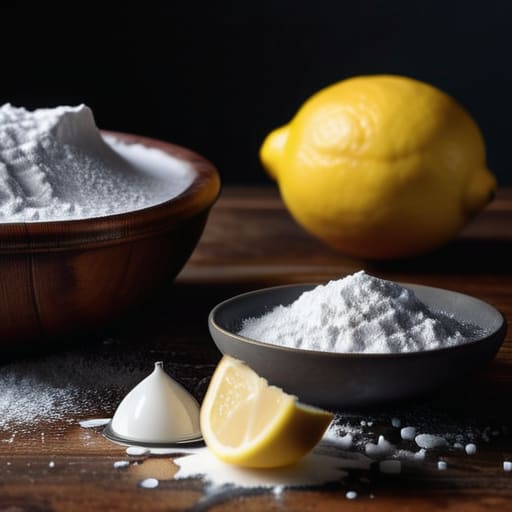
At the end of the day, mastering the difference between these two pantry staples comes down to one thing: understanding what they need to react. Remember, baking soda is a powerhouse that requires an acidic partner—like buttermilk, lemon juice, or even a bit of dark cocoa—to jumpstart that beautiful rise and neutralize any sourness. Baking powder, on the other hand, is your “all-in-one” solution, carrying its own built-in acid so it can work its magic the moment it hits moisture. If you ever find yourself staring at a recipe and feeling unsure, just ask yourself: “Is there an acid in this batter already?” If the answer is no, you’ll likely need the extra kick of baking soda to get the job done.
I know that diving into the chemistry of baking can feel a little intimidating at first, but I promise you, once you grasp these little nuances, you’ll feel like a total pro. Don’t be afraid to make a mistake or try a new technique; even the most seasoned pastry chefs rely on these fundamental principles to create their masterpieces. Cooking should be a journey of discovery, not a source of stress. So, grab your apron, get your mise en place ready, and go create something delicious. I can’t wait to see what you whip up next!