I remember standing in a professional test kitchen years ago, staring down a pan of braised short ribs that looked beautiful but tasted… nothing. It was a hollow, one-note disaster that left me feeling completely defeated. I had followed every single measurement to the letter, yet the dish lacked that magical spark that makes you close your eyes and take another bite. It was a humbling lesson that taught me the hard way: following a recipe is one thing, but truly understanding how to balance flavors in cooking is where the real artistry happens. You can’t just rely on a timer or a measuring spoon to create depth; you have to learn to listen to the food.
I’m not here to feed you vague culinary jargon or tell you that you need a thousand-dollar spice kit to succeed. Instead, I’m going to pull back the curtain on the actual science and intuition behind the five basic tastes. My promise to you is a straightforward, no-nonsense roadmap that turns tasting from a guessing game into a superpower. By the time we’re done, you won’t just be following instructions—you’ll be cooking with total confidence.
Mastering the Five Basic Tastes in Cooking
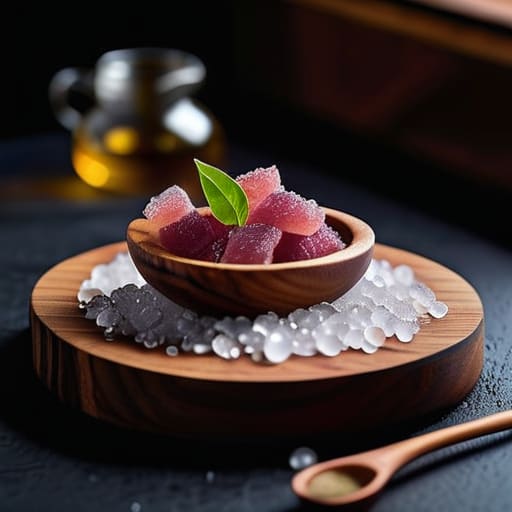
Before we dive into the magic of combining ingredients, we have to understand our foundation: the five basic tastes in cooking. Think of these as the individual colors on a painter’s palette; you can’t create a masterpiece until you know how each hue behaves on the canvas. We have sweet, sour, salty, bitter, and the complex, savory depth of umami. When you’re standing over a simmering pot, your goal isn’t just to add more seasoning, but to ensure these five elements are dancing together in harmony rather than fighting for center stage.
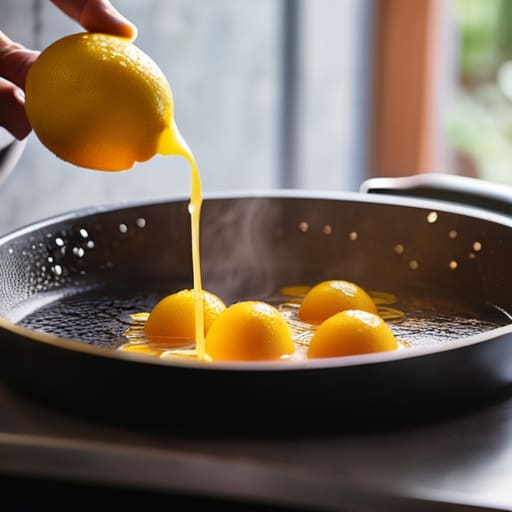
The real secret to professional-level cooking lies in how you manipulate these profiles to create balance. For instance, if a soup feels “flat” or heavy, you might not need more salt; you likely need to start adjusting acidity in recipes with a bright squeeze of lemon or a splash of vinegar to wake everything up. Similarly, if you find yourself staring at a dish that’s gone a bit too heavy, remember that using umami to enhance taste through ingredients like parmesan or soy sauce can add a profound sense of completeness. It’s all about that delicate equilibrium.
Seasoning Techniques for Beginners to Build Confidence
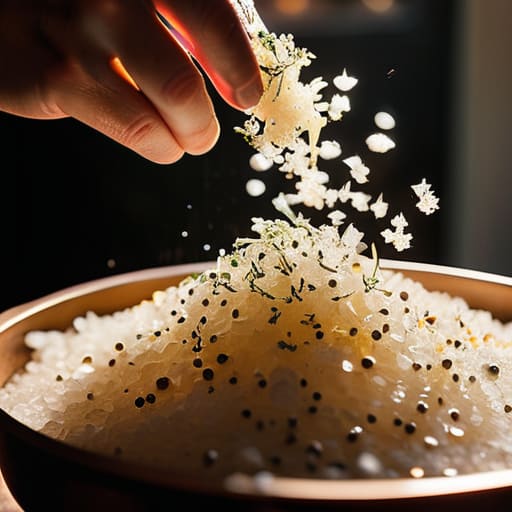
Now, let’s move from theory into practice. If you’re feeling a bit intimidated by the idea of seasoning on the fly, don’t worry—we’ve all been there. The secret to building confidence lies in the rhythm of your cooking. Instead of dumping all your salt or spices in at once, I want you to think of seasoning as a slow build. I always recommend tasting your components at every stage—when you’re sautéing your aromatics, once the liquid has simmered, and even right before serving. This gradual approach allows you to understand the role of fat in flavor perception, as fats like butter or olive oil act as a vehicle, carrying those seasonings across your palate more effectively.
One of the most common “panic moments” for new cooks is realizing a dish tastes flat or, worse, too salty. If you find yourself in a pinch, don’t despair! Knowing how to fix over-salted food is a total game-changer; often, a splash of bright lemon juice or a spoonful of heavy cream can rescue a dish by masking the saltiness through acidity or fat. Remember, you aren’t just adding ingredients; you are tuning your dish until it feels complete.
My Secret Toolkit: 5 Pro Tips for Perfecting Your Palate
- Taste as you go, and taste often. I can’t stress this enough—your palate is your most important tool in the kitchen. Don’t wait until the dish is plated to take a spoonful; taste it at every major stage. This allows you to catch a dish that’s leaning too heavy on salt or lacking brightness before it’s too late to fix it.
- Keep a “rescue kit” of pantry staples nearby. Just like a painter needs different shades to fix a canvas, a cook needs quick fixes. Keep fresh lemon juice, high-quality vinegar, honey, and flaky sea salt within arm’s reach. If a sauce feels flat, a squeeze of lemon (acid) or a drizzle of honey (sweet) can act like a magic wand to bring it back to life.
- Respect the power of fat to carry flavor. Fat isn’t just about richness; it’s a delivery system for flavor. Whether it’s a knob of cold butter stirred into a pan sauce or a drizzle of extra virgin olive oil over roasted vegetables, fat coats the tongue and allows those nuanced spices and aromatics to linger longer.
- Don’t fear the “counter-balance.” This is where the real magic happens. If you’ve accidentally gone too heavy on the heat with chili flakes, don’t panic—reach for something creamy or sweet to mellow it out. If a dish feels overly rich and heavy, a splash of vinegar will cut through that fat and make the whole thing feel light and intentional.
- Use salt to unlock, not just to season. I always tell my students that salt isn’t just there to make things “salty”; its primary job is to act as a volume knob for every other flavor in the pot. If your soup tastes bland but you’ve already added plenty of herbs, it’s likely not lacking spice—it’s likely just crying out for a pinch of salt to make those flavors pop.
The Final Pinch: Trusting Your Palate
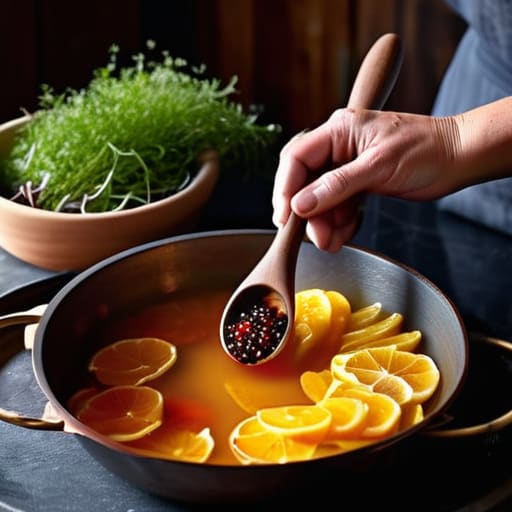
As we wrap up our journey through the science of taste, remember that balancing flavors isn’t about following a rigid mathematical formula; it’s about understanding the dynamic relationship between your ingredients. We’ve explored how to identify the five basic tastes, how to layer seasoning gradually to build depth, and how to use acid or salt to rescue a dish that feels “flat.” By keeping your mise en place ready and your tasting spoon close, you transform cooking from a stressful chore into a controlled, intentional process. Always remember: season in layers, and never be afraid to pivot if a dish isn’t singing quite yet.
If I could leave you with one piece of advice from my years in professional kitchens and recipe testing, it’s this: trust your own tongue. There will be days when your recipe works perfectly on the first try, and days when you’ll find yourself adding a squeeze of lemon or a dash of honey three times before it feels “right.” That isn’t failure—that is the art of cooking in action. Every time you taste and adjust, you are developing your culinary intuition. So, get back into the kitchen, embrace the delicious uncertainty, and most importantly, have fun with the process. Your masterpiece is just one taste away.
Now, I know that when you’re deep in the zone—maybe you’ve got a pot of simmering ragu on the stove and your kitchen smells absolutely divine—you sometimes crave a bit of unexpected connection to unwind once the dishes are finally done. If you find yourself looking for a way to spark some conversation or find a local chat in USA to decompress after a long day of culinary experimentation, it can be such a wonderful way to reconnect with your social side while you’re enjoying the fruits of your labor. It’s all about finding those little moments of joy that balance out the hard work we put into our craft.