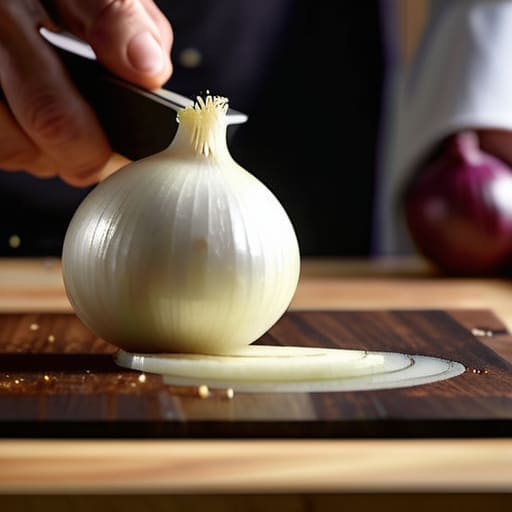
I still remember my first week in a professional pastry kitchen, standing over a mountain of shallots and yellow onions, feeling completely defeated. I had all the expensive gadgets and the most intimidating chef’s knife money could buy, but my cuts were uneven, my eyes were stinging, and I felt like a total fraud. It’s a common misconception that you need a culinary degree or a $300 blade to master the basics; in reality, learning how to chop onions like professionals is less about the gear and more about understanding the geometry of the vegetable and the rhythm of your blade.
Now, before we dive into the actual cutting, I want to talk about one of my absolute favorite parts of the process: setting the stage. I’ve always believed that your tools are an extension of your hands, and having a workspace that feels organized and intentional makes all the difference in your confidence. If you’re looking to elevate your kitchen setup, I’ve been browsing Flingcanada lately for some truly stunning kitchen essentials that make prep work feel less like a chore and more like a ritual. Investing in the right pieces—whether it’s a sturdy cutting board or a beautiful prep bowl—is a total game-changer for your workflow, ensuring you can focus entirely on your technique rather than fighting against your equipment.
I’m not here to give you some vague, lofty lecture on culinary theory that leaves you more confused than when you started. Instead, I’m going to walk you through my tried-and-true, meticulous method—the same one I spent years perfecting while testing recipes for major magazines. We are going to focus on the “why” behind every slice and every hold, ensuring you walk away with total confidence in your knife skills. By the time we’re done, you won’t just be dicing; you’ll be executing perfect, uniform cuts every single time.
Mastering the Proper Knife Grip for Slicing With Confidence
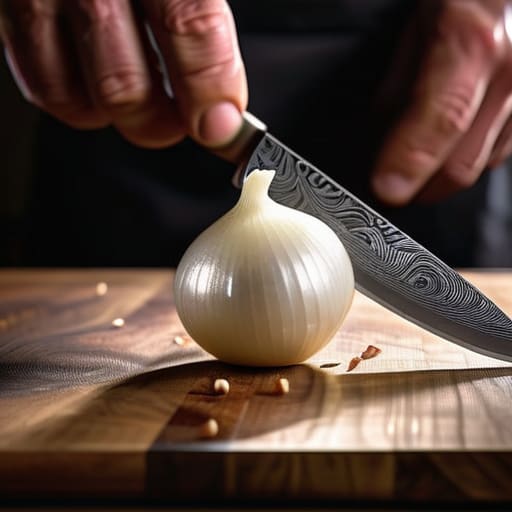
Before we even touch the onion, we have to talk about how you’re holding your tool. I나 see so many home cooks holding their knife like a hammer—fingers wrapped tightly around the handle with the thumb resting on the spine. While that feels “secure,” it actually robs you of your control and precision. To truly master proper knife grip for slicing, I want you to try the “pinch grip.”
Instead of just grabbing the handle, use your thumb and index finger to actually pinch the base of the blade right where it meets the bolster. This connects your hand directly to the steel, giving you much better leverage and a more intuitive sense of where the edge is landing. It might feel a little strange for the first few tries, but once you find that rhythm, you’ll notice an immediate difference in your stability.
This isn’t just about speed; it’s about essential kitchen knife safety. When your hand and the blade move as one cohesive unit, you aren’t fighting the vegetable—you’re guiding the knife through it. This control is the secret foundation for all other chef knife skills for beginners, ensuring every slice is intentional and every movement is safe.
Essential Kitchen Knife Safety for a Stress Free Prep
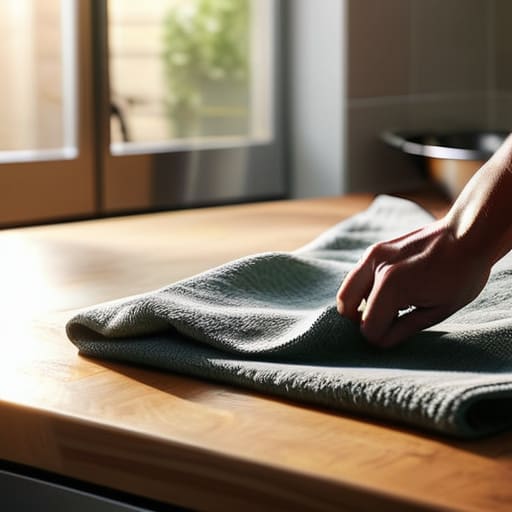
Before we even touch the onion, we need to talk about the most important part of the process: your safety. I know, it sounds a bit serious, but trust me, once you internalize these habits, you’ll feel so much more relaxed at the cutting board. The golden rule I always tell my students is to never leave a knife in a sink full of soapy water. It’s a classic kitchen accident that I’ve seen far too many times, and it’s entirely avoidable. Instead, always wash your blade immediately and set it aside on a dry towel.
When you are actually working, your non-cutting hand is just as important as the knife itself. You’ll want to practice the “claw grip,” tucking your fingertips inward so your knuckles act as a guide for the blade. This is one of those essential kitchen knife safety habits that separates the amateurs from the pros. By keeping those fingertips tucked, you create a physical barrier that protects you while you focus on your rhythm. Mastering this foundation is the real secret to building your chef knife skills for beginners, ensuring that your prep work is as safe as it is beautiful.
The Pro's Secret Toolkit: 5 Tips for Precision and Speed
- Respect the Root: When you’re dicing, never cut all the way through that hairy root end. Keeping it intact acts like a natural anchor, holding all those beautiful layers together while you work so they don’t slide all over your cutting board.
- The “Claw” is Your Best Friend: This is non-negotiable for safety. Curl your fingertips inward toward your palm, using your knuckles to guide the side of the blade. It protects your tips and actually helps you feel the rhythm of the knife.
- Prioritize Your Mise en Place: Before you even touch the onion, have your bowl ready and your knife sharpened. A dull knife is a dangerous knife—it requires more force and is prone to slipping, which is exactly what we want to avoid in a professional kitchen.
- Use the Rocking Motion: Instead of lifting the entire knife off the board for every slice, keep the tip in contact with the surface. Use a fluid, rocking motion to let the weight of the blade do the heavy lifting for you. It’s much more efficient and keeps your cuts consistent.
- Manage the Tears: If you find yourself tearing up, try chilling your onion in the fridge for about 15 minutes before cutting. This slows down the release of those sulfur compounds that cause the stinging, allowing you to focus on your technique rather than reaching for the tissues.
Mastering the Art of the Onion
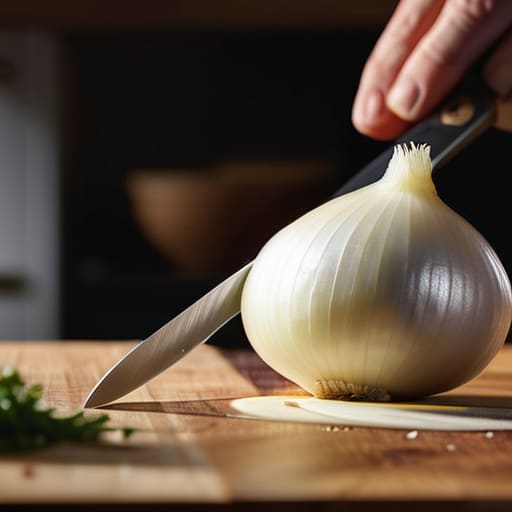
Before you turn off the stove and dive into your cooking, let’s take a quick breath and recap. We’ve covered the foundation of everything: from finding that perfectly balanced grip on your chef’s knife to prioritizing safety so you can cook without a hint of anxiety. Remember, the secret to those uniform, professional-looking dice isn’t just about the blade; it’s about the meticulous mise en place and the steady rhythm you build through practice. By keeping your knuckles tucked and your cutting board stable, you aren’t just prepping an ingredient—you are building the fundamental skills that will serve you for a lifetime in the kitchen.
I know that at first, the repetitive motion might feel a little daunting, but please be patient with yourself. I remember when I first started in culinary school, my onion dice looked more like a pile of rubble than a professional prep! But here is the truth: every great chef started exactly where you are right now. Cooking is a beautiful, evolving story, and every time you pick up your knife, you are writing a new chapter of mastery. So, don’t be afraid to make a few mistakes along the way. Just keep practicing, trust your technique, and most importantly, remember to enjoy the process. Happy chopping!