I still remember the first time I attempted to make buttercream frosting – it was a disaster. The myth that it’s a simple mix-and-match process had me fooled, but the reality was a sugary, separated mess. The truth is, mastering the art of how to make buttercream frosting requires patience, precision, and a deep understanding of the ingredients and their roles. It’s not just about throwing together butter and sugar, but about creating a harmonious balance of flavors and textures. As someone who’s spent years perfecting this craft, I’m excited to share my journey and guide you through the process.
In this article, I promise to share my hard-earned wisdom on how to make buttercream frosting that’s not only delicious but also stable and versatile. I’ll walk you through the step-by-step process, explaining the science behind each stage, from preparing the ingredients to achieving the perfect consistency. My goal is to empower you with the knowledge and confidence to create beautiful, tasty desserts that will impress anyone. Whether you’re a beginner or an experienced baker, I’m committed to providing you with foolproof advice and techniques that will make the process of making buttercream frosting a joyful and rewarding experience.
Table of Contents
Recipe Details
Ingredients
- 1 1/2 cups unsalted butter (softened)
- 3 3/4 cups powdered sugar (sifted)
- 1/2 teaspoon salt
- 2-4 tablespoons milk or heavy cream (as needed)
- 1 teaspoon vanilla extract (optional)
Tools & Supplies
- Large mixing bowl
- Hand mixer or stand mixer
- Measuring cups and spoons
- Rubber spatula
Recipe Instructions
Step 1
First, let’s start with the foundation of our frosting: gathering and measuring our ingredients. This is a crucial step, often overlooked, but trust me, it’s where the magic begins. Ensure you have 1 1/2 cups of unsalted butter, softened to a creamy state, 3 3/4 cups of powdered sugar, 1/2 teaspoon of salt, and 2-3 tablespoons of whole milk or heavy cream. The quality of your ingredients will directly impact the taste and texture of your buttercream, so choose wisely.
Step 2
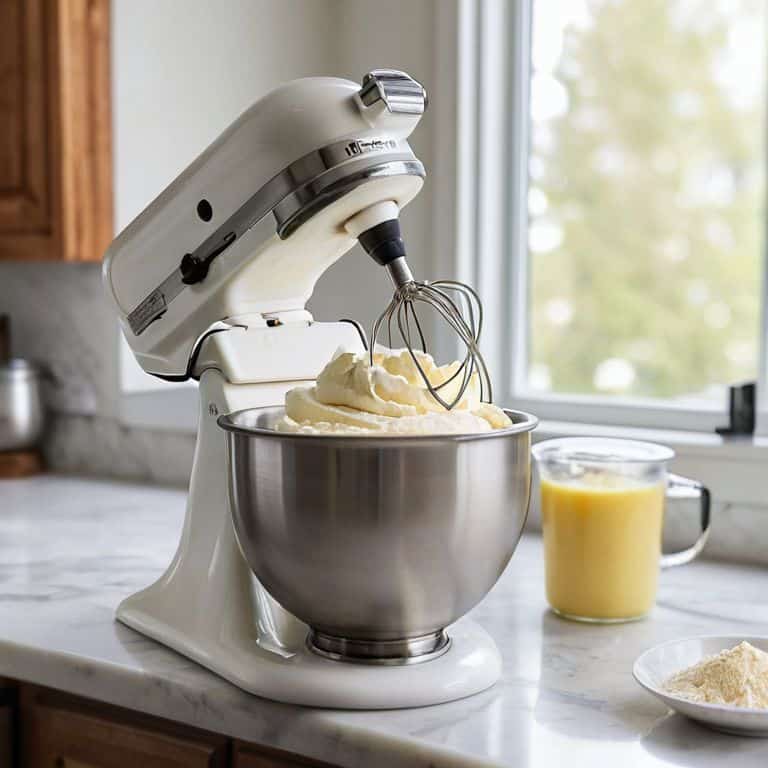
Next, we’ll move on to preparing our mixing station. In a large mixing bowl, use an electric mixer to cream the softened butter until it becomes light and fluffy, almost doubled in volume. This step is essential for incorporating air into the butter, which will later help in achieving a smooth and creamy frosting. Be patient and let the mixer do its job for about 2-3 minutes, stopping occasionally to scrape down the sides of the bowl.
Step 3
Now, it’s time to gradually add the powdered sugar, a step that requires some finesse. With the mixer on low speed, slowly pour the powdered sugar into the bowl in three parts, allowing each portion to fully incorporate before adding the next. This process helps prevent the sugar from flying everywhere and ensures it mixes evenly with the butter. Remember, patience is key here, as rushing this step can lead to a grainy or too-sweet frosting.
Step 4
After combining the butter and sugar, we’ll introduce the salt and begin the creaming process in earnest. Add the 1/2 teaspoon of salt and continue mixing for another minute or until the mixture is smooth and creamy. The salt not only enhances the flavor but also helps to balance the sweetness of the sugar. At this stage, your mixture should look silky and uniform, a good sign that you’re on the right track.
Step 5
Finally, it’s time to add the milk or heavy cream, which will give our buttercream its desired consistency. Start by adding 2 tablespoons of your chosen liquid and mix well. If you find the frosting too thick, you can add an additional tablespoon of liquid, but do this sparingly, as too much can make the frosting too thin and difficult to work with. The goal is to achieve a smooth, spreadable frosting that’s perfect for decorating or simply enjoying on its own.
Step 6
The last step involves tasting and adjusting the frosting to your liking. If it’s too sweet, you can add a bit more salt or a squeeze of fresh lemon juice. If it’s not sweet enough, you can add a bit more powdered sugar. This is also the time to add any flavorings you like, such as vanilla extract or a pinch of cinnamon, to give your buttercream a unique twist. Remember, the beauty of making your own buttercream frosting lies in its customizability, so don’t be afraid to experiment and find the flavor combination that you love the most.
Buttercream Bliss Found
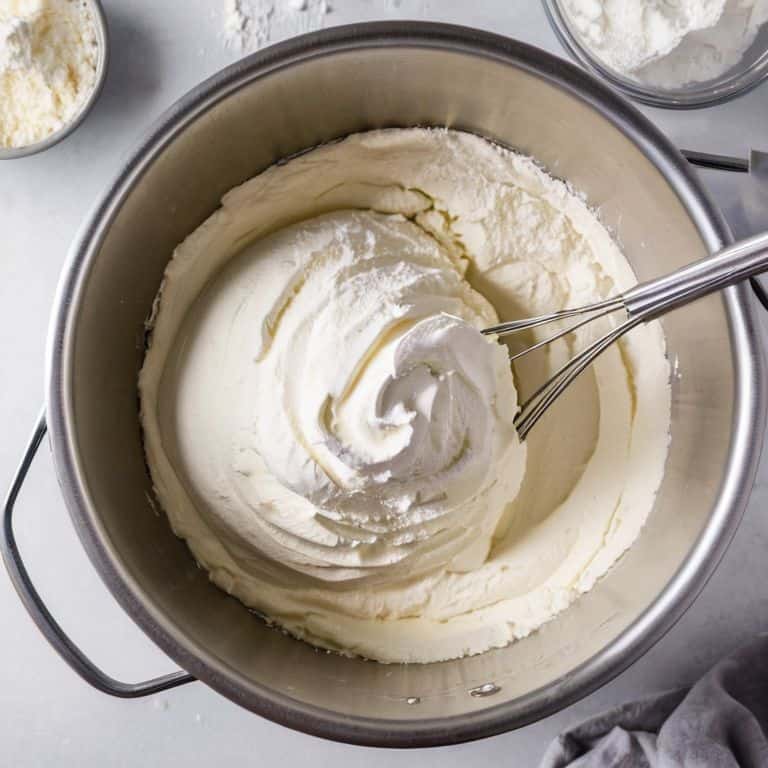
As I delve into the world of buttercream, I find myself fascinated by the ease of customization it offers. With a simple tweak in ingredients or technique, you can create a vast array of flavors and textures. For beginners, I recommend starting with an easy buttercream frosting recipe that uses high-quality ingredients, such as the best powdered sugar for frosting, to ensure a smooth and creamy finish.
One of the most common questions I receive is about vanilla extract substitutes in frosting. While vanilla is a classic choice, you can also experiment with other extracts like almond or coconut to create unique flavor profiles. When it comes to troubleshooting buttercream frosting, I always advise my readers to pay attention to the temperature and consistency of their ingredients, as this can greatly impact the final result.
For those looking to add a pop of color to their buttercream, coloring buttercream frosting can be a fun and creative process. I like to use high-quality food dyes that are specifically designed for frosting, as they provide vibrant and consistent results. By experimenting with different colors and flavors, you can create a truly one-of-a-kind buttercream that showcases your personality and style, making the process of decorating a true buttercream bliss.
Easy Frosting for Beginners
As a beginner, the thought of making buttercream frosting from scratch can be daunting, but trust me, it’s easier than you think. With just a few simple ingredients and some basic equipment, you can create a smooth, creamy, and absolutely delicious frosting. I’ve found that the key to success lies in taking your time and not over-complicating things. Start by ensuring your butter is at room temperature, and your powdered sugar is sifted – it makes all the difference.
By following my recipe and tips, you’ll be well on your way to creating beautiful, professional-looking desserts that are sure to impress. Remember, practice makes perfect, so don’t be discouraged if your first batch doesn’t turn out exactly as you hoped. With a little patience and persistence, you’ll soon be frosting like a pro, and the joy of creating something truly special will be all yours to enjoy.
Troubleshooting Sweet Success
When things don’t quite go as planned, don’t worry – it’s all part of the process. If your buttercream ends up too thin, try whisking in a bit more powdered sugar. On the other hand, if it’s too thick, a tiny splash of milk or cream will do the trick. Remember, it’s all about balance. I’ve been there too, and trust me, a little tweak can make all the difference.
By paying attention to these small details, you’ll be well on your way to creating smooth, creamy, and absolutely divine buttercream frosting. With practice, you’ll develop a keen sense of when to add a touch more of this or that, and before you know it, you’ll be a pro at troubleshooting your way to sweet success.
The Frosting Fundamentals: 5 Essential Tips for Perfect Buttercream
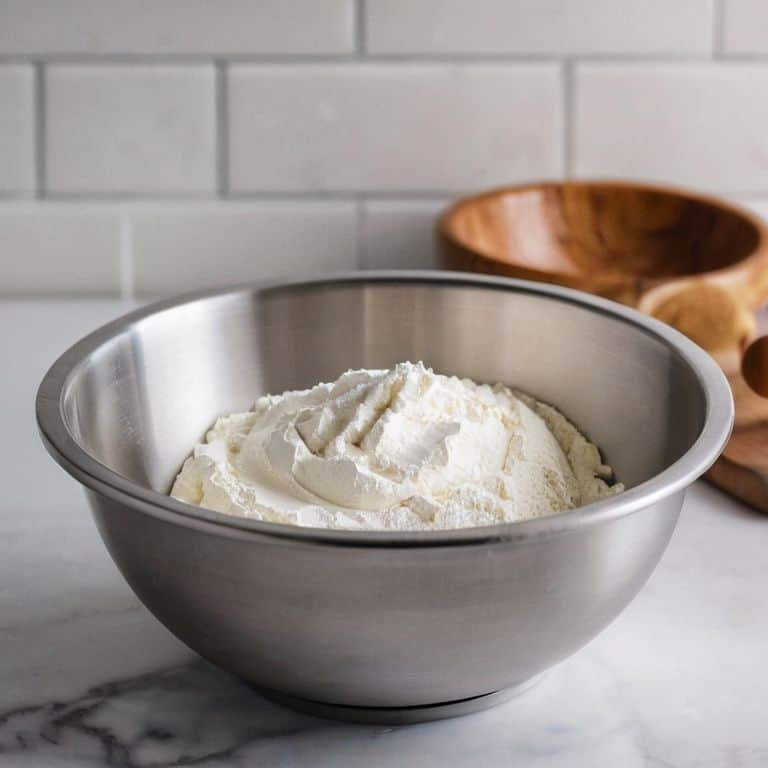
- Start with room temperature ingredients to ensure a smooth and even consistency in your buttercream frosting
- Use a combination of granulated and powdered sugar for the best flavor and texture, as the cornstarch in powdered sugar helps to prevent graininess
- Don’t overmix the butter and sugar, as this can lead to a too-stiff frosting that’s difficult to work with
- Add flavorings and colorings gradually, tasting and adjusting as you go to achieve the perfect balance of sweetness and flavor
- Let your buttercream frosting sit at room temperature for at least 30 minutes before using it to allow the flavors to meld together and the texture to soften
Sweet Success in 3 Bites
Mastering the art of buttercream frosting is all about balance: balancing flavors, textures, and temperatures to achieve a smooth, creamy, and stable frosting perfect for any cake or pastry
The key to a flawless buttercream lies in its preparation, from ensuring room temperature ingredients to gradually adding sugar and consistently whipping the mixture to incorporate air and achieve the desired consistency
Whether you’re a beginner looking to decorate your first cake or an experienced baker seeking to refine your skills, remembering that practice makes perfect and that every batch of buttercream is an opportunity to learn and improve is crucial for long-term success
The Heart of Buttercream
The art of making buttercream frosting isn’t just about following a recipe, it’s about understanding the delicate dance between sugar, butter, and cream, and how each step unfolds into a sweet symphony of flavors and textures.
Julia Ashwood
The Sweetest Takeaway
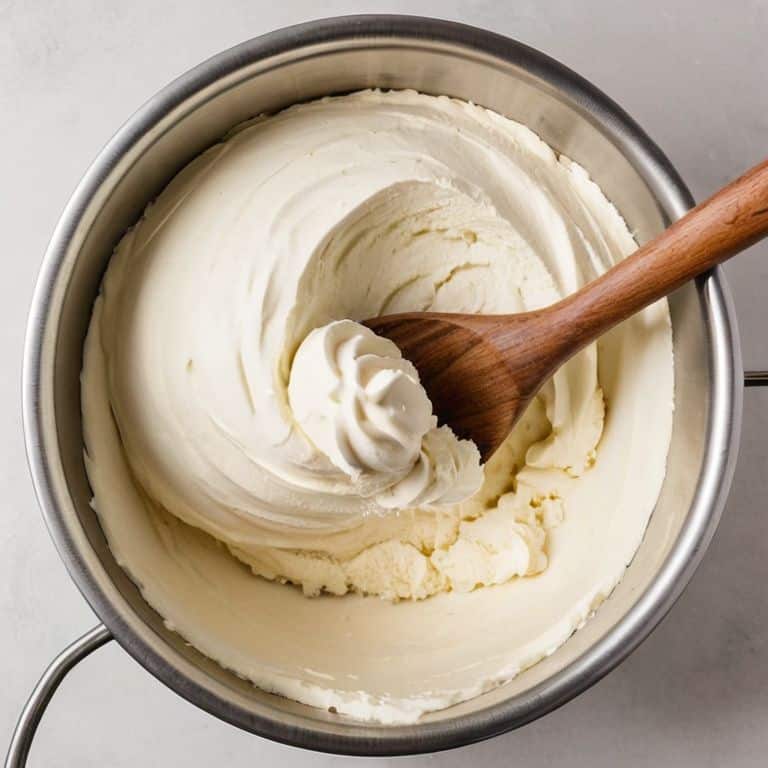
As we conclude our journey to mastering the art of buttercream frosting, let’s recap the essential elements that make this process a true delight. From the initial steps of preparing our ingredients to the final touches of decorating, every detail matters. We’ve covered the importance of room temperature ingredients, the technique for achieving the perfect consistency, and troubleshooting tips for common issues. By following these guidelines and practicing your skills, you’ll be well on your way to creating buttercream frosting like a pro.
So, the next time you’re in the kitchen, whipping up a batch of buttercream frosting, remember that it’s not just about following a recipe – it’s about unleashing your creativity and making something truly special. Don’t be afraid to experiment with new flavors and techniques, and always keep in mind that the joy of baking lies in the process, not just the end result. With patience, practice, and a willingness to learn, you’ll find that making buttercream frosting is a delightful adventure that brings people together, one delicious dessert at a time.
Frequently Asked Questions
What is the best type of butter to use for making buttercream frosting?
For the best buttercream, I swear by European-style or high-quality, salted butter with a high fat content – at least 82%. This richer butter gives your frosting a deeper flavor and smoother texture, making all the difference in your final result. Trust me, it’s worth the extra cost!
How do I achieve the perfect consistency for piping and decorating?
To achieve the perfect consistency for piping and decorating, remember that room temperature ingredients are key. Make sure your butter is softened and your frosting has reached a smooth, pliable state. If it’s too thin, refrigerate for 5-10 minutes; if too thick, add a tiny bit of milk or cream. Test as you go, and don’t overmix – you’re aiming for a consistency similar to mayonnaise.
Can I flavor my buttercream frosting with anything other than vanilla, and if so, what are some popular alternatives?
Absolutely, you can experiment with various flavors! Try substituting vanilla with almond extract, lemon zest, or a teaspoon of instant coffee for a mocha twist. For fruity flavors, use purees like raspberry or strawberry, and for a boozy kick, add a splash of liqueur like Grand Marnier or Kahlua. The possibilities are endless, and I just love discovering new flavor combinations!