I still remember the first time I attempted to make cookies from scratch – it was a disaster! I had followed a guide to making cookies that promised perfect results, but my dough was too sticky, my baking time was off, and the end product was more like a burnt offering than a sweet treat. It was then that I realized the importance of understanding the science behind baking and not just following a recipe blindly. This experience sparked my passion for creating foolproof recipes that would help others avoid the frustrations I faced.
As we embark on this cookie-making journey together, I promise to share my tried-and-tested techniques for creating the perfect batch every time. In this article, you’ll learn the essential steps and tips for making delicious cookies, from the importance of mise en place to the secret to achieving the perfect texture. My goal is to empower you with the knowledge and confidence to experiment with new flavors and ingredients, and to make the process of baking a joyful and rewarding experience. Whether you’re a beginner or an experienced baker, this a guide to making cookies will provide you with the practical advice and inspiration you need to take your cookie game to the next level.
Table of Contents
Guide Overview: What You'll Need
Total Time: 1 hour 15 minutes
Estimated Cost: $10 – $20
Difficulty Level: Easy
Tools Required
- Mixing Bowl
- Whisk
- Measuring Cups
- Measuring Spoons
- Electric Mixer (optional)
- Baking Sheet lined with parchment paper
- Spoon or Cookie Scoop
Supplies & Materials
- All-Purpose Flour 2 1/4 cups
- Baking Soda 1 teaspoon
- Salt 1 teaspoon
- Granulated Sugar 3/4 cup
- Brown Sugar 3/4 cup
- Butter 1 cup, softened
- Large Eggs 2
- Vanilla Extract 1 teaspoon
- Semi-Sweet Chocolate Chips 1 cup
Step-by-Step Instructions
- 1. First, let’s start with the foundation of a great cookie: quality ingredients. I always say that the best cookies begin with the best ingredients, so take some time to visit your local farmers’ market or grocery store to pick out the freshest butter, eggs, and vanilla extract. For this recipe, you’ll need 2 1/4 cups of all-purpose flour, 1 tsp baking soda, 1 tsp salt, 1 cup unsalted butter, 3/4 cup white granulated sugar, 3/4 cup brown sugar, 2 large eggs, and 2 tsp pure vanilla extract.
- 2. Now that we have our ingredients, it’s time to focus on _mise en place_, a French term that means “everything in its place.” This step is all about prepping our ingredients before we start mixing, which will make the entire process much smoother. Start by whisking together the flour, baking soda, and salt in a medium bowl. Set it aside for now, but make sure it’s within easy reach.
- 3. In a large bowl, use an electric mixer to cream together the butter and sugars until light and fluffy, about 2-3 minutes. You’ll know it’s ready when the mixture has almost doubled in volume and has a lovely, airy texture. Be sure to stop the mixer and scrape down the sides of the bowl a few times to ensure everything is well incorporated.
- 4. Next, we’ll add in our eggs one at a time, making sure each egg is fully incorporated before adding the next. This is an important step, as it helps to create a smooth, even batter. After the eggs, add in the vanilla extract and mix until just combined. Don’t overmix at this stage, as it can lead to tough cookies.
- 5. Now it’s time to bring our dry ingredients into the mix. Gradually add the flour mixture to the wet ingredients, mixing on low speed until just combined. Be careful not to overmix, as this can lead to a dense, unpleasant texture. Stop the mixer and scrape down the sides of the bowl as needed to ensure everything is well incorporated.
- 6. At this stage, our dough is starting to come together, but it’s still a bit too sticky. This is where _patience_ comes in – we need to let the dough rest for at least 30 minutes to allow the flour to hydrate. This step is crucial, as it will help our cookies to retain their shape and bake up with a lovely texture. Cover the bowl with plastic wrap and let it rest in the refrigerator.
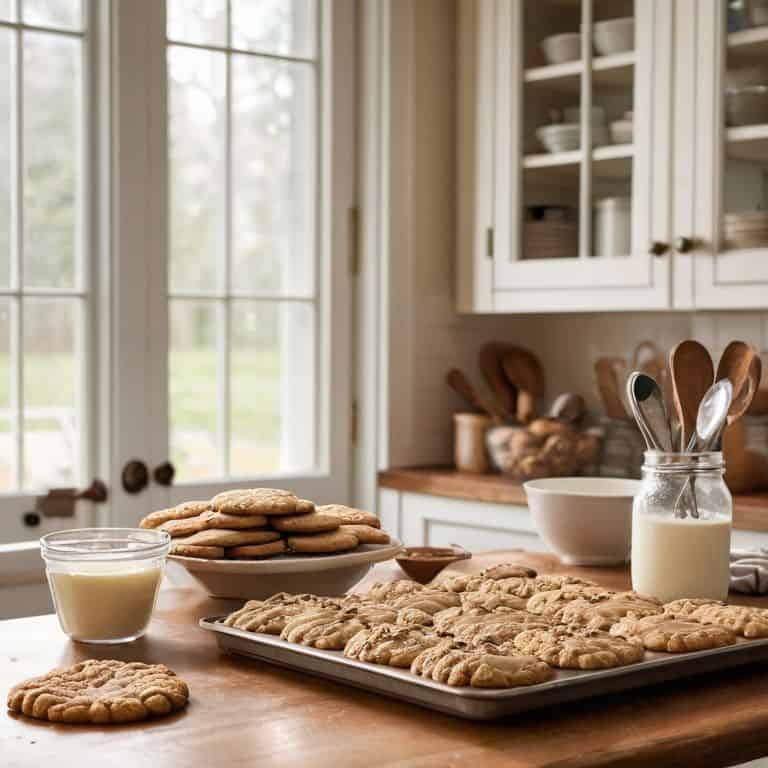
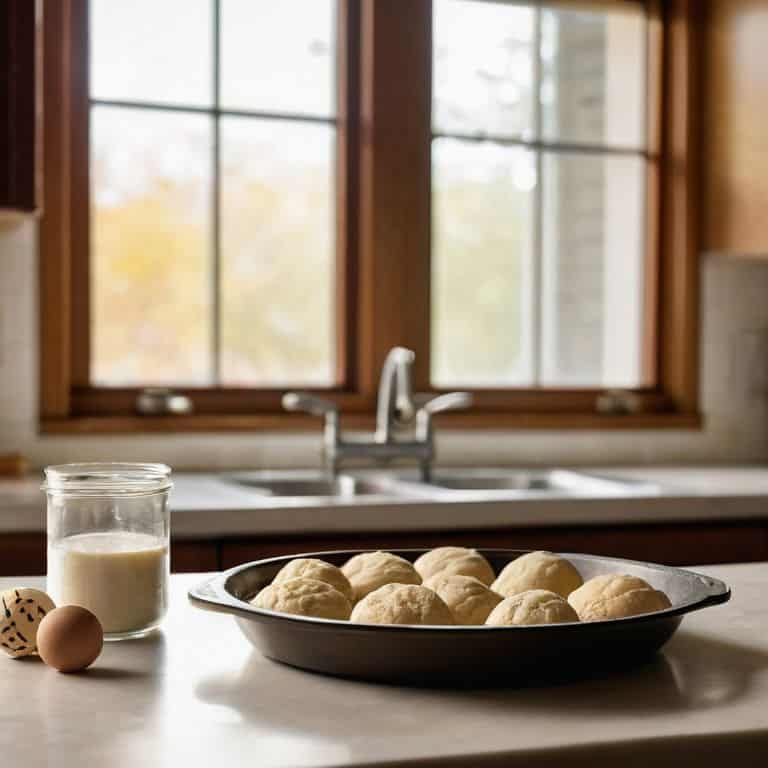
- 7. Once our dough has rested, it’s time to scoop and bake our cookies. Use a cookie scoop or spoon to portion out balls of dough onto a baking sheet lined with parchment paper. Leave about 2 inches of space between each cookie to allow for spreading. Place the baking sheet in a preheated oven at 375°F (190°C) and bake for 10-12 minutes, or until the edges are lightly golden brown. Remove the cookies from the oven and let them cool on the baking sheet for 5 minutes before transferring them to a wire rack to cool completely.
A Guide to Making Cookies
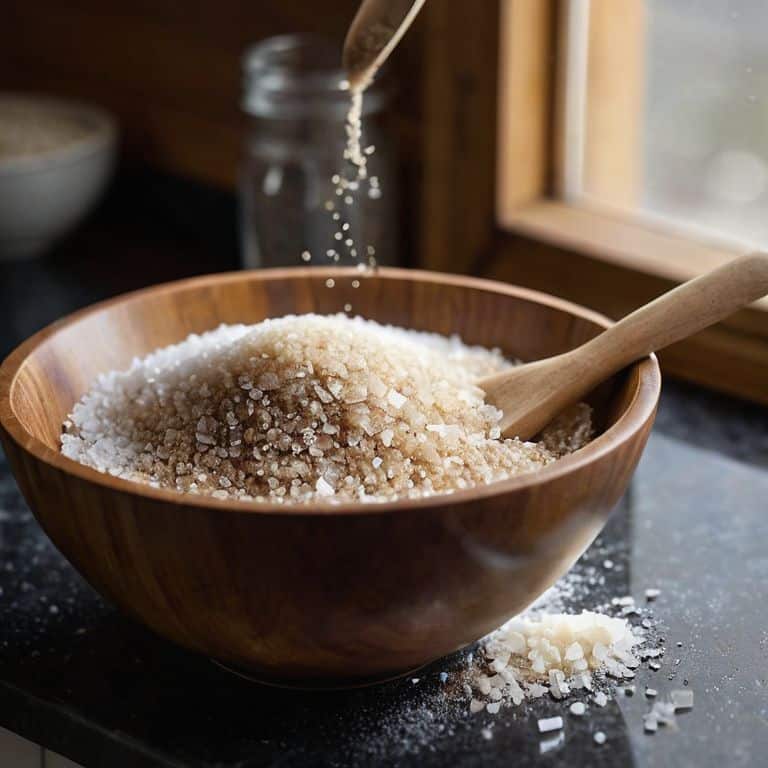
As we dive deeper into the world of cookie making, it’s essential to understand the science of cookie texture. This is where the magic happens, and your cookies transform from good to great. The perfect texture is a balance of crunch and chew, and it all starts with the ingredients and their ratios. I’ve found that using a combination of white and brown sugar helps create a richer flavor and a more complex texture.
When it comes to baking, the type of cookie sheet you use can make a big difference. I swear by best cookie sheets for even baking, as they ensure that your cookies bake consistently and don’t spread too much. This is especially important when making delicate cookies that require a precise shape. By using the right tools and techniques, you’ll be able to achieve professional-looking cookies that are almost too beautiful to eat.
To take your cookie game to the next level, consider experimenting with cookie decoration ideas for beginners. This can be as simple as adding a sprinkle of sea salt or a drizzle of chocolate glaze. Not only do these touches add visual appeal, but they also introduce new flavors and textures to your cookies. And, when you’re not enjoying your freshly baked treats, be sure to store them properly to keep them fresh – I’ll share my tips on storing homemade cookies to stay fresh in a future post.
Avoiding Common Baking Mistakes
As we dive into the world of cookie baking, it’s just as important to know what not to do as it is to follow the recipe. One of the most common mistakes is overmixing the dough, which can lead to tough, dense cookies. To avoid this, mix your wet and dry ingredients separately and gently fold them together until just combined. Another mistake is not leaving enough space between cookies on the baking sheet, causing them to spread into each other. Leave about 2 inches of space between each cookie to ensure they bake evenly and retain their shape.
By being mindful of these potential pitfalls, you’ll be well on your way to baking perfect cookies every time. Remember, practice makes perfect, so don’t be discouraged if your first batch doesn’t turn out exactly as you hoped. With a little patience and attention to detail, you’ll soon be baking like a pro and enjoying the fruits of your labor with every delicious bite.
The Science of Perfect Texture
The Science of Perfect Texture
To achieve the perfect cookie texture, it’s essential to understand the role of ingredients and their interactions. The ratio of sugar to butter, for instance, affects the spread and crispiness of the cookies. Using a combination of white and brown sugar enhances the flavor and texture, as the molasses in brown sugar retains moisture, creating a chewier center.
By controlling the temperature and timing of baking, you can also influence the final texture. A higher temperature will yield a crisper exterior, while a lower temperature will result in a softer cookie. I’ve found that baking the cookies for 10-12 minutes at 375°F (190°C) achieves the perfect balance of crunch and chew.
Sweet Success: 5 Essential Tips for Making Irresistible Cookies
- Measure ingredients with precision to ensure the perfect balance of flavors and textures
- Use room temperature ingredients, especially butter and eggs, for a smoother dough and better cookie structure
- Don’t overmix the dough, as this can lead to tough cookies – stop mixing as soon as the ingredients come together
- Chill the dough for at least 30 minutes to allow the flavors to meld and the butter to firm up, resulting in a better texture
- Keep an eye on your cookies while they’re baking, as the baking time may vary depending on your oven and the size of your cookies – they’re done when they’re lightly golden brown around the edges
Key Takeaways for the Perfect Cookie
Baking is a science: understanding the chemistry behind texture and consistency is crucial for achieving the perfect cookie, every time
Preparation is key: mastering ‘mise en place’ and having all ingredients ready before starting will make the baking process smoother and less prone to errors
Practice makes perfect: don’t be discouraged by initial failures, as every batch is an opportunity to learn and refine your technique to create truly exceptional homemade cookies
The Heart of Cookie Making
The art of making cookies is not just about following a recipe, but about understanding the dance of ingredients, the patience of preparation, and the joy of sharing something homemade with love.
Julia Ashwood
The Sweetest Conclusion
As we wrap up this comprehensive guide to making cookies, let’s recap the essential elements that will elevate your baking experience: understanding the science behind perfect texture, mastering the art of mise en place, and being mindful of common mistakes to avoid. By following these steps and tips, you’ll be well on your way to creating delicious, professional-grade cookies that will impress friends and family alike. Whether you’re a seasoned baker or a beginner, the key to success lies in attention to detail and a willingness to experiment until you find your perfect recipe.
As you embark on your cookie-making journey, remember that the true magic happens in the process, not just the end result. The joy of baking is about exploration, creativity, and sharing love through the simple act of offering a warm, freshly baked treat. So, don’t be afraid to try new flavors, to experiment and innovate, and most importantly, to have fun. With every batch, you’re not just making cookies – you’re creating memories and spreading joy, one delicious cookie at a time.
Frequently Asked Questions
What is the ideal temperature for baking cookies to achieve the perfect texture?
For that perfect texture, I swear by a precise oven temperature of 375°F (190°C). This sweet spot ensures your cookies bake up with a tender center and a crispy edge, every time. Trust me, I’ve tested it countless times to get it just right!
How do I prevent my cookies from spreading too much during baking?
To prevent excessive spreading, ensure your butter is at room temperature, not melted. Also, chill your dough for at least 30 minutes to allow the flour to hydrate and the butter to firm up, helping the cookies retain their shape while baking.
Can I substitute butter with other fats in cookie recipes and still get great results?
While butter is a classic choice, you can experiment with other fats like coconut oil or avocado oil for unique flavor profiles. However, keep in mind that substituting butter may affect texture and consistency, so some trial and error may be necessary to get the perfect result.