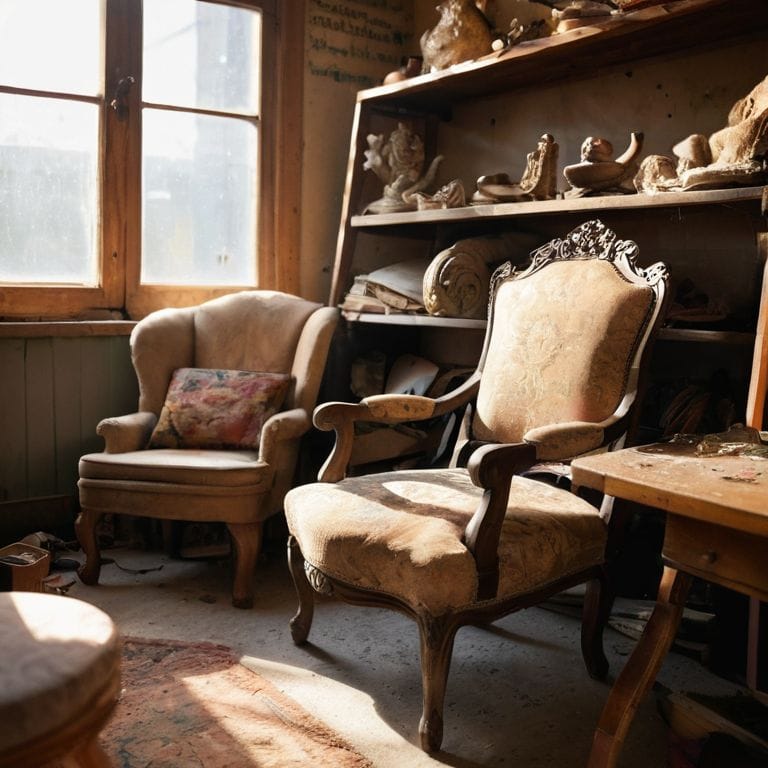
I still remember the first time I stumbled upon a hidden gem of a dresser at a thrift store, just waiting to be transformed into something amazing. It was a total game-changer for my DIY projects, and it got me thinking – how to find good furniture to upcycle is really the key to unlocking some incredible creations. I’ve heard people say that you need to have a keen eye for design or a lot of experience to find the right pieces, but I’m here to tell you that’s just not true. With a little practice and patience, anyone can learn how to find good furniture to upcycle and turn it into something truly unique.
In this article, I’ll be sharing my personal tips and tricks for tracking down the perfect pieces to upcycle. I’ll show you how to think outside the box when it comes to hunting for furniture, and how to identify the potential for transformation in even the most unlikely items. You’ll learn how to assess the condition of a piece, what to look for in terms of materials and construction, and how to envision the possibilities for your project. By the end of this guide, you’ll be equipped with the knowledge and confidence to start finding your own hidden gems and turning them into one-of-a-kind masterpieces.
Table of Contents
Guide Overview: What You'll Need
Total Time: 1 hour 30 minutes to several days
Estimated Cost: $0 – $100
Difficulty Level: Intermediate
Tools Required
- Tape Measure for measuring furniture dimensions
- Hammer for disassembling furniture
- Screwdriver Set for removing screws and hardware
- Pry Bar for carefully removing old finishes or trim
Supplies & Materials
- Furniture Refinisher or paint and primer
- Sandpaper various grits for smoothing surfaces
- Decorative Hardware optional, for updating knobs or handles
- 2 inches by 4 inches lumber or other materials for reinforcement or added support
Step-by-Step Instructions
- 1. First, get ready to hunt for some amazing furniture finds – I’m talking old dressers, worn-out chairs, and any other hidden gems we can breathe new life into. Start by making a list of the types of furniture you’re looking for, and the types of projects you want to tackle. This will help you stay focused when you’re out searching for the perfect pieces.
- 2. Next, hit the thrift stores, garage sales, and estate sales in your area. These are often treasure troves for unique and affordable furniture just waiting to be upcycled. Don’t be afraid to dig through the junk and get a little dirty – you never know what diamond in the rough you might find.
- 3. When you’re out searching, keep an eye out for pieces with good bones – sturdy frames, solid wood, and interesting details like carvings or metalwork. These are the things that will make your upcycled project truly special, and give it a story to tell. Don’t worry too much about the current state of the piece – we can fix ugly, but we can’t fix boring.
- 4. Now, inspect before you buy. Check the piece for any major damage, and think about how you can work around any flaws. Consider the size, shape, and material of the piece, and how it will fit into your project. Don’t be afraid to walk away if it’s not the right fit – there are always more fish in the sea, and you don’t want to get stuck with a piece that’s more trouble than it’s worth.
- 5. Once you’ve found a piece you love, start brainstorming ways to upcycle it. Think about the style you’re going for, the materials you want to use, and the functionality you need. Make a list of the supplies you’ll need, and start thinking about the steps you’ll take to bring your vision to life. This is the fun part – where you get to let your imagination run wild and dream big.
- 6. Before you start tearing the piece apart, take some time to document your find. Take photos, measure the piece, and make notes about its condition and any unique features. This will help you plan your project, and give you a sense of pride and accomplishment when you’re done. Plus, it’s always fun to look back and see how far you’ve come.
- 7. Finally, get ready to get creative and start tearing the piece apart. This is the most fun part of the process – where you get to use your power tools, experiment with new materials, and bring your vision to life. Don’t be afraid to make mistakes – they’re all part of the process, and often lead to the most interesting and unexpected results. Just remember to stay safe, have fun, and enjoy the ride.
Finding Gems to Upcycle
When it comes to identifying quality furniture frames, I always look for pieces with a solid foundation. You can often tell if a piece has been well-made just by giving it a good once-over. Check for sturdy joints, smooth finishes, and a overall sense of craftsmanship. These are the kinds of pieces that will hold up to your creative vision and withstand the test of time.
As you’re hunting for gems to upcycle, keep an eye out for best types of wood for upcycling, like oak or pine. These woods are not only durable, but they also have a unique character that can add a lot of depth to your project. And don’t be afraid to think outside the box when it comes to creative upcycling ideas for old furniture. Consider giving new life to an old door, window, or even a vintage ladder.
In terms of sustainable furniture sourcing, I’m a big fan of scouring local thrift stores, estate sales, and online marketplaces for hidden gems. Not only is this approach more eco-friendly, but it’s also a great way to stumble upon one-of-a-kind pieces that will make your project truly stand out. By embracing the art of upcycling, you’re not only reducing waste, but you’re also contributing to a more circular economy.
Identifying Quality Frames for Upcycling
When it comes to upcycling, a sturdy frame is everything. I look for pieces with solid wood construction, like oak or pine, and avoid anything with too much particleboard or flimsy metal. A good frame can make or break a project, so don’t be afraid to get a little rough and inspect those joints. If it’s got a solid foundation, we can work with it.
I’ve found some of my favorite upcycling projects in old dressers and tables with beautiful, ornate frames. With a fresh coat of paint or some new hardware, these pieces can be transformed into one-of-a-kind masterpieces. So, keep an eye out for those hidden gems – they might just become the crown jewel of your upcycling collection.
Sustainable Sourcing for Best Wood Types
When it comes to sourcing the best wood types for upcycling, I’m all about sustainability. I look for pieces made from reclaimed, recycled, or responsibly sourced wood. You can often find amazing pieces at thrift stores, garage sales, or even on the side of the road – just make sure to give them a good inspection before bringing them home. I also love working with wood from old pallets, crates, or fencing – it’s amazing what you can create with a little bit of imagination.
Some of my favorite wood types to work with include oak, pine, and cedar – they’re not only durable but also have a unique character that adds to the charm of upcycled pieces. Plus, they can be stained or painted to fit any style or design. By choosing sustainable wood sources, we’re not only reducing waste but also creating one-of-a-kind pieces that tell a story.
Digging for Gold: 5 Tips to Uncover the Best Furniture for Upcycling
- Look for solid wood construction – it’s easier to refinish and repaint, and it’s way more durable than that flimsy particleboard stuff
- Check the joints – if they’re loose or falling apart, it might be more trouble than it’s worth, but if they’re sturdy, you’ve got a great foundation to work with
- Don’t be afraid of ugly – some of the best upcycling projects start with furniture that’s been beaten up, worn out, or just plain weird, so keep an eye out for hidden gems
- Test the hardware – if the drawers slide smoothly and the doors open easily, you’re already halfway to a successful upcycle, but if it’s all stiff or rusty, you might want to keep looking
- Imagine the possibilities – don’t just see the furniture for what it is, see what it could be with a little creativity and some elbow grease, and you’ll start to uncover some amazing upcycling opportunities
Key Takeaways for Upcycling Furniture
Always keep an eye out for unique, high-quality frames that can be repurposed into new, functional pieces – you never know what hidden gems you might find at thrift stores, garage sales, or in your own attic
Consider the environmental impact of your upcycling project and opt for sustainable wood types or materials that would otherwise end up in a landfill, giving them a new life and reducing waste
Remember, the most important part of upcycling is having fun and being creative – don’t be afraid to experiment, make mistakes, and try new things, as these ‘happy accidents’ often lead to the most amazing and personalized results
The Thrill of the Hunt
The best furniture to upcycle is often hiding in plain sight, you just gotta keep your eyes peeled for that one piece with good bones, a little character, and a whole lot of potential – it’s like finding a vintage tool in my grandfather’s attic, it’s all about the story it tells and the story you’re about to tell with it!
Franklyn "Frank" Bishop
Wrapping Up Your Upcycling Journey
As we’ve explored the world of finding good furniture to upcycle, it’s clear that the process is just as important as the end result. From identifying quality frames to considering sustainable sourcing, each step is crucial in turning a discarded piece into a unique treasure. We’ve dived into the excitement of the hunt, whether it’s scouring thrift stores, estate sales, or even your own backyard for hidden gems. Remember, the key to successful upcycling is not just about seeing the potential in an old, worn-out piece but also about embracing the happy accidents that come with the creative process.
So, as you embark on your own upcycling adventures, keep in mind that it’s okay to make mistakes – they’re an integral part of the learning journey. The most important thing is to have fun and enjoy the transformation process. Whether you’re a seasoned maker or just starting out, upcycling is a fantastic way to breathe new life into old furniture, reduce waste, and create something truly one-of-a-kind. So, go ahead, get creative, and turn those old pieces into functional works of art that tell a story of their own.
Frequently Asked Questions
What are some common places to find old or discarded furniture that can be upcycled?
Alright, let’s go furniture hunting! You can find awesome upcyclable pieces at thrift stores, garage sales, Craigslist, or even your grandma’s attic. Keep an eye out for curbside treasures, and don’t be afraid to dig through salvage yards or Habitat for Humanity ReStores – you never know what hidden gems you might uncover!
How can I determine if a piece of furniture is worth upcycling, or if it's better to just scrap it?
Dude, that’s the million-dollar question! For me, it’s all about the bones – if a piece has a solid frame, sturdy joints, and some character, it’s a contender. But if it’s falling apart or made from super cheap materials, it might be time to let it go. Trust your instincts, and don’t be afraid to get a little creative – sometimes the weirdest pieces make the coolest upcycles!
Are there any specific types of furniture or materials that are particularly well-suited for upcycling, and why?
Man, I love scouring thrift stores and flea markets for hidden gems! Solid wood pieces, like old dressers or chairs, are total upcycling gold. And don’t even get me started on mid-century modern finds – the clean lines and simple designs are just begging for a fresh coat of paint or some new hardware!