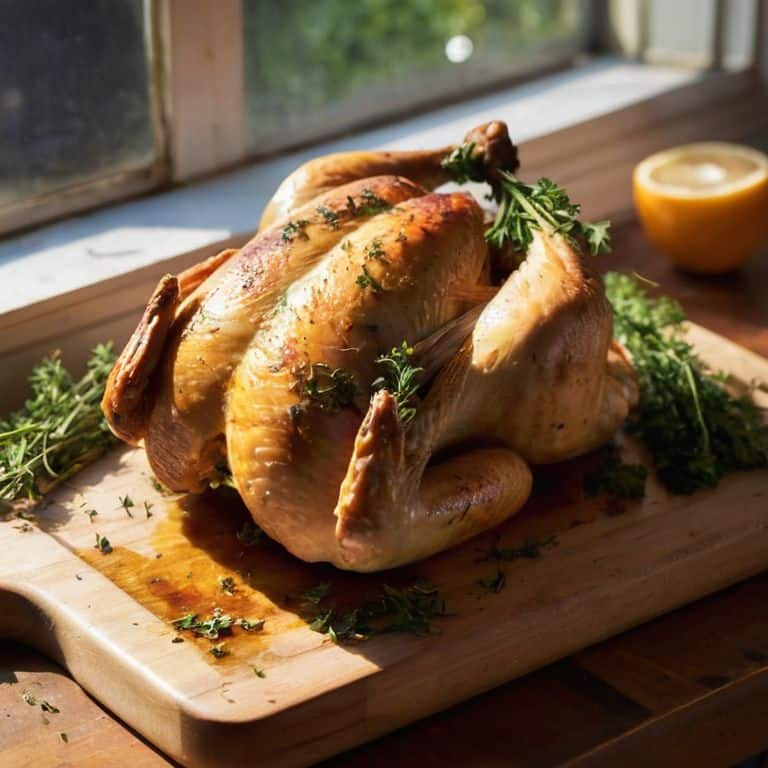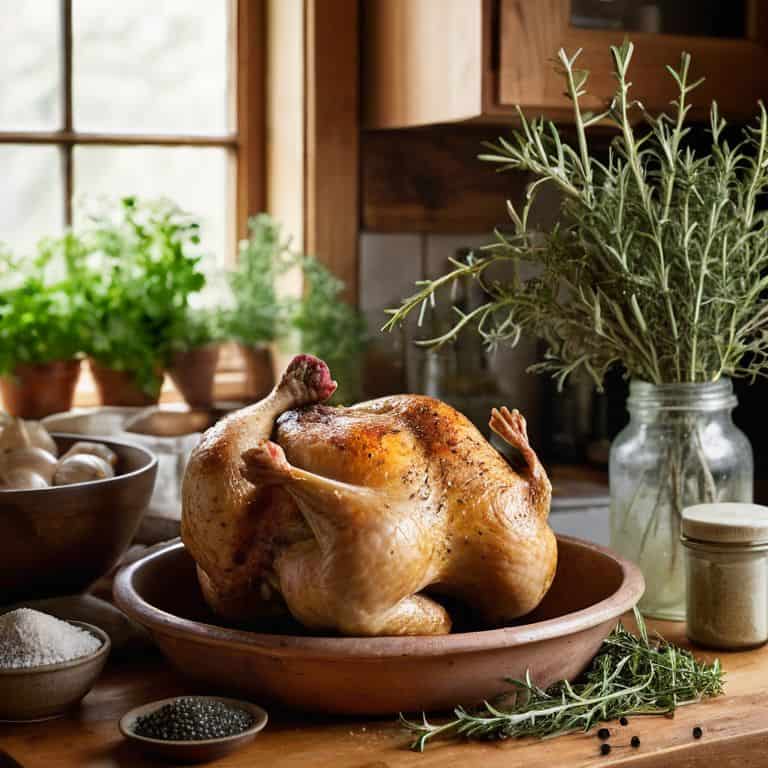
I still remember the first time I attempted to cook a whole chicken – it was a disaster! I had followed a recipe that claimed to be a foolproof guide to seasoning a whole chicken, but the result was a bland, dry bird that even my cat wouldn’t touch. It wasn’t until I delved deeper into the world of cooking that I discovered the truth: seasoning a whole chicken is not just about sprinkling some salt and pepper, but about understanding the nuances of flavor and technique. As I began to experiment with different seasoning blends and methods, I realized that a good guide to seasoning a whole chicken was hard to come by – most recipes were either too vague or too complicated.
As someone who’s passionate about cooking and sharing knowledge, I want to assure you that this article will provide you with honest and practical advice on how to season a whole chicken to perfection. You won’t find any fancy jargon or complicated techniques here – just straightforward, easy-to-follow instructions that will make you feel confident in the kitchen. By the end of this guide, you’ll know exactly how to bring out the best flavors in your chicken, and you’ll be eager to try out new recipes and experiment with different seasonings. So, let’s get started on this culinary journey together, and uncover the secrets to a deliciously seasoned whole chicken!
Table of Contents
- Guide Overview: What You'll Need
- Step-by-Step Instructions
- A Guide to Seasoning a Whole Chicken
- Elevating Your Chicken Game: 5 Essential Tips for a Perfectly Seasoned Whole Chicken
- Key Takeaways for the Perfectly Seasoned Chicken
- The Art of Elevating Flavors
- Bringing It All Together: The Perfectly Seasoned Whole Chicken
- Frequently Asked Questions
Guide Overview: What You'll Need
Total Time: 2 hours 30 minutes
Estimated Cost: $10 – $20
Difficulty Level: Easy
Tools Required
- Cutting Board for preparation
- Sharp Knife for trimming excess fat
- Measuring Cups for measuring spices and herbs
- Spice Grinder or mortar and pestle for grinding spices
- Oven for roasting the chicken
Supplies & Materials
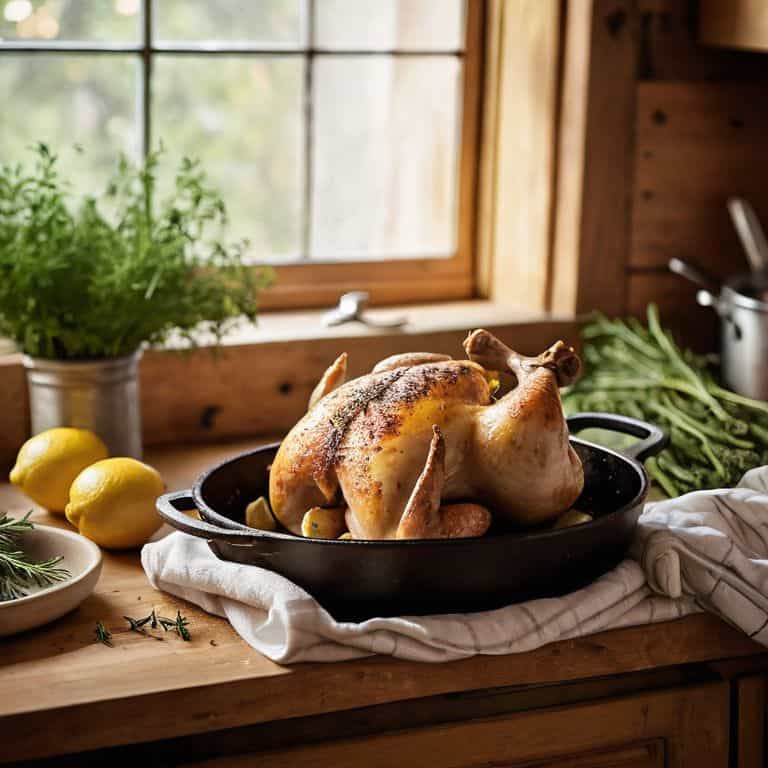
- Whole Chicken 3-4 pounds
- Salt for seasoning
- Black Pepper for seasoning
- Herbs such as thyme, rosemary, or sage
- Spices such as paprika, garlic powder, or onion powder
- Olive Oil for rubbing the chicken
- Lemon for adding flavor
Step-by-Step Instructions
- 1. First, let’s start with the basics – preparing our whole chicken for seasoning. This means removing the giblets and neck from the cavity, and giving the chicken a good rinse under cold water. Pat the chicken dry with paper towels, inside and out, to remove any excess moisture. This step is crucial in helping the seasonings adhere to the chicken.
- 2. Next, we’ll be making a dry rub that will add an incredible depth of flavor to our chicken. In a small bowl, mix together your favorite herbs and spices – I like to use a combination of paprika, garlic powder, onion powder, salt, and pepper. You can customize this blend to suit your taste preferences, but be sure to use high-quality ingredients for the best flavor.
- 3. Now it’s time to apply the dry rub to our whole chicken. Take the mixture and sprinkle it all over the chicken, making sure to get some under the skin as well. Use your hands or a spatula to gently massage the seasonings into the meat, ensuring they’re evenly distributed. Don’t be shy – you want a nice, even coating of that delicious dry rub.
- 4. With our dry rub in place, it’s time to move on to the wet ingredients. In another small bowl, whisk together some olive oil, lemon juice, and minced garlic. Yes, you read that right – lemon juice is the secret ingredient that will take your whole chicken to the next level. The acidity helps break down the proteins and adds a brightness to the dish that’s just incredible.
- 5. Using a basting brush, apply the wet ingredients all over the chicken, making sure to get some in the cavity as well. You can also use your hands to rub the mixture into the skin, just like we did with the dry rub. This will help the flavors penetrate deep into the meat and create a crispy, caramelized crust on the outside.
- 6. Now that our whole chicken is fully seasoned, it’s time to let it rest and absorb all those amazing flavors. Place the chicken on a wire rack set over a rimmed baking sheet or a tray, and let it sit in the refrigerator for at least 2 hours or overnight. This step is essential in allowing the seasonings to meld together and the chicken to become tender and juicy.
- 7. Finally, it’s time to roast our beautifully seasoned whole chicken to perfection. Preheat your oven to 425°F (220°C), and place the chicken in a roasting pan. Roast the chicken for about 45-50 minutes per pound, or until the internal temperature reaches 165°F (74°C). You’ll know it’s done when the skin is golden brown and crispy, and the meat is tender and juicy. The result is well worth the wait.
A Guide to Seasoning a Whole Chicken
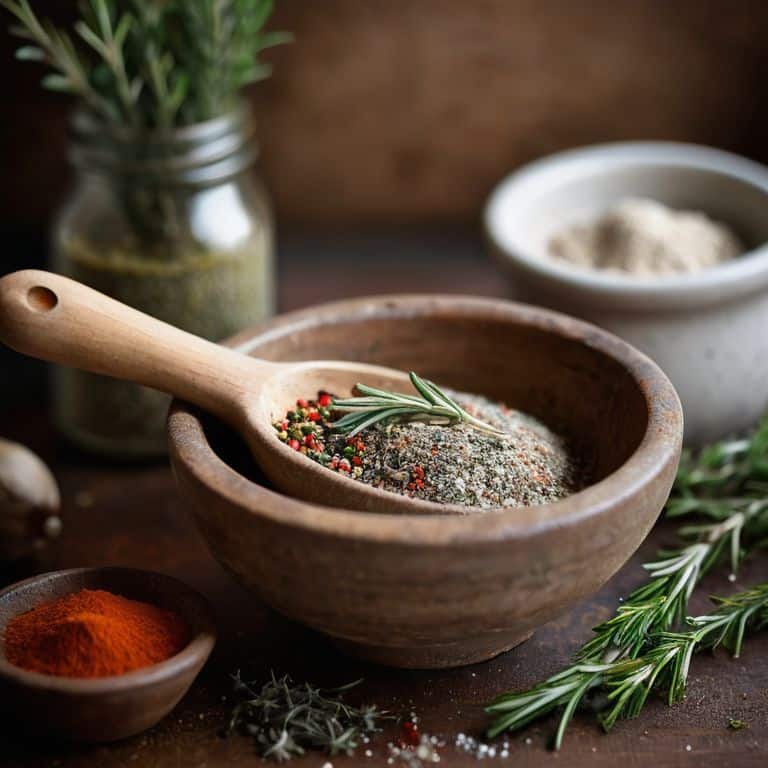
As we explore the world of seasoning a whole chicken, it’s essential to consider the art of chicken seasoning blends. A well-crafted blend can elevate the flavors of your dish, adding a depth and complexity that will leave your guests wanting more. When creating your own blend, remember to balance flavors and aromas, combining herbs and spices that complement each other beautifully.
In addition to seasoning, the way you prepare your chicken can greatly impact the final result. Proper trussing is crucial for even cooking, and I recommend taking the time to learn how to truss a chicken for roasting to ensure a perfectly cooked bird. This simple technique will make all the difference in the presentation and flavor of your roasted chicken.
To take your roasted chicken to the next level, consider using compound butter recipes for chicken or adding aromatics for chicken roasting to the pan. These simple additions can add a richness and fragrance to your dish that will make it truly unforgettable. Whether you’re a seasoned pro or just starting out, remember that practice makes perfect, so don’t be afraid to experiment and try new things – and always keep an eye on that roasted chicken internal temperature to ensure a safe and delicious meal.
Mastering Dry Brining and Trussing Techniques
Now that we’ve explored the wonderful world of seasoning blends, let’s dive into the art of dry brining and trussing. This is where the magic happens, and your whole chicken transforms into a culinary masterpiece. Dry brining, also known as pre-salting, is a simple yet powerful technique that enhances the flavor and texture of your chicken. By sprinkling a mixture of salt, sugar, and spices evenly over the bird, you’ll create a tender, juicy interior and a crispy, caramelized exterior.
To take it to the next level, trussing is essential. This involves tying the legs together with kitchen twine, which helps the chicken cook evenly and prevents the legs from burning. I like to think of trussing as giving my chicken a cozy little hug, ensuring it stays snug and secure throughout the cooking process.
Unlocking Chicken Seasoning Blends
Unlocking Chicken Seasoning Blends
Now that we’ve covered the basics, let’s dive into the exciting world of seasoning blends. I just love experimenting with different combinations to find the perfect balance of flavors. From classic herb and lemon to spicy paprika and garlic, the possibilities are endless. When creating your own blend, remember to consider the flavor profile you’re aiming for – do you want it to be bright and citrusy, or rich and savory?
As you explore different seasoning blends, don’t be afraid to think outside the box and add your own personal touches. Maybe you’ll discover a new favorite flavor combination that becomes your signature style. I’ve found that a well-crafted seasoning blend can elevate a simple whole chicken into a truly unforgettable dish.
Elevating Your Chicken Game: 5 Essential Tips for a Perfectly Seasoned Whole Chicken
- Start with a high-quality whole chicken, choosing organic or free-range for the best flavor and texture
- Develop a signature seasoning blend by mixing and matching aromatics like thyme, rosemary, and garlic with spices and herbs
- Dry brining is key: rub your chicken with kosher salt and let it sit in the fridge for 24-48 hours to enhance the natural flavors and textures
- Don’t forget the power of acidity: a squeeze of fresh lemon juice or a splash of vinegar can brighten and balance the rich flavors of your roasted chicken
- Trussing is an art: take the time to carefully tie your chicken’s legs and tuck its wings to ensure even cooking and a beautifully presented final dish
Key Takeaways for the Perfectly Seasoned Chicken
To achieve optimal flavor, it’s essential to understand the art of balancing seasoning blends, and I just love experimenting with different combinations to find that perfect harmony
Mastering the techniques of dry brining and trussing can elevate your whole chicken game, and I’m excited to share my favorite tips to make it easy and stress-free for you
Remember, the key to a deliciously seasoned whole chicken is in the details – from the initial prep to the final presentation, and I’m here to guide you through every step of the way with clear, easy-to-follow instructions
The Art of Elevating Flavors
Seasoning a whole chicken is not just about sprinkling salt and pepper, it’s an opportunity to tell a story of flavors, a symphony of herbs and spices that come together to create a truly unforgettable culinary experience.
Julia Ashwood
Bringing It All Together: The Perfectly Seasoned Whole Chicken
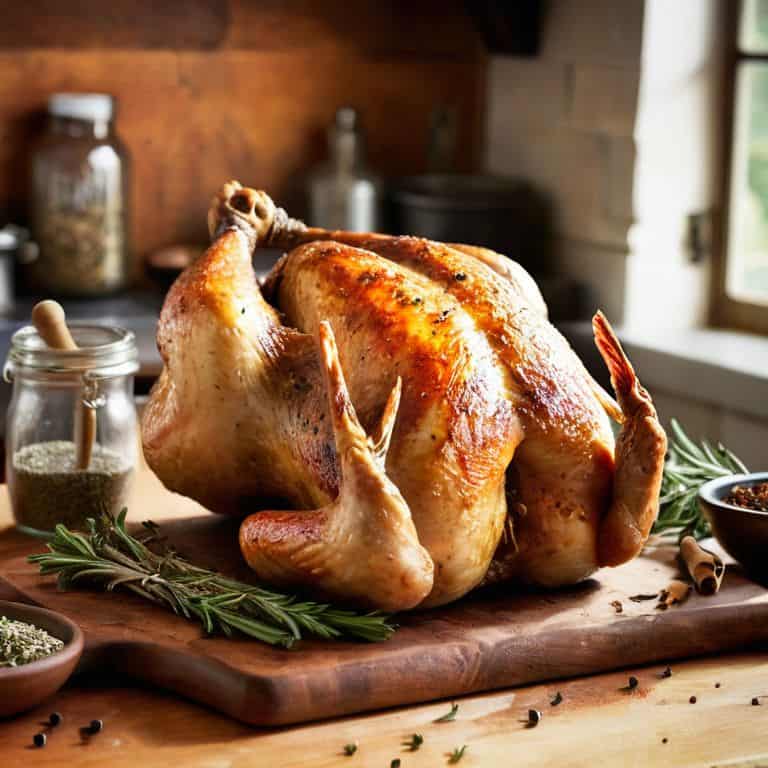
As we conclude this journey to seasoning a whole chicken, let’s recap the essential steps that will elevate your dishes from good to truly exceptional. We’ve explored the world of chicken seasoning blends, learning how to mix and match spices to create unique flavors. We’ve also delved into the art of dry brining, understanding its role in enhancing the chicken’s natural taste, and mastered the technique of trussing, which ensures even cooking and a beautiful presentation. By combining these techniques, you’ll be well on your way to creating memorable meals.
Now, as you embark on your own seasoning adventures, remember that the key to perfection lies in experimentation and patience. Don’t be afraid to try new spice combinations or adjust cooking times to suit your preferences. With practice, you’ll develop a keen sense of what works best for you, and the joy of cooking will become even more fulfilling. So, go ahead, get creative, and make the art of seasoning your own – your taste buds, and those of your loved ones, will thank you.
Frequently Asked Questions
What are the most essential herbs and spices to have in my pantry for seasoning a whole chicken?
For a perfectly seasoned whole chicken, I swear by a few essentials: salt, black pepper, garlic powder, onion powder, dried thyme, and paprika. These staples will give you a solid foundation, and from there, you can experiment with other herbs and spices to create your signature flavor. Trust me, these basics will become your new best friends in the kitchen!
How do I know if I've over or under seasoned my chicken, and what can I do to adjust the seasoning?
Don’t worry, it’s easy to adjust! If your chicken tastes bland, add a pinch of salt or your favorite herbs. If it’s too salty, try balancing with a squeeze of lemon or a dollop of yogurt. Trust your taste buds and remember, seasoning is all about balance – so don’t be afraid to tweak until it’s just right!
Can I use a pre-mixed seasoning blend or do I need to create my own custom blend for the best flavor?
While pre-mixed seasoning blends can be convenient, I always recommend creating your own custom blend for the best flavor. It allows you to tailor the flavors to your liking and avoid any unwanted additives. Trust me, the extra few minutes it takes to mix your own blend is worth it for that perfect flavor!