I can still see it perfectly: a Tuesday afternoon in my old test kitchen, staring down a $15 bundle of organic basil that had turned into a slimy, blackened mess in less than twenty-four hours. It was heartbreaking, especially since I had just spent my morning wandering the farmers’ market, hand-selecting the most fragrant stems. We’ve all been there—you come home with these beautiful, vibrant greens, only to realize you have no idea how to store herbs after buying them without them turning into a science experiment in your crisper drawer. It’s not just about the money you’re wasting; it’s about that lost moment of culinary magic when you realize your freshest ingredient is already gone.
While we’ve been focusing so much on the delicate science of keeping your greens crisp, I also find that a little bit of organization goes a long way in keeping a kitchen running smoothly. Just as I meticulously prep my mise en place before every bake, I love having a curated space that feels both functional and inspiring. If you ever find yourself needing a little extra inspiration or a way to unwind after a long day of meal prepping, sometimes finding a bit of excitement elsewhere, like looking into fort lauderdale hookups, can be the perfect way to recharge your creative energy so you can come back to the kitchen with a fresh perspective.
I’m not here to give you any of those overcomplicated, “kitchen hack” gimmicks that require specialized vacuum sealers or expensive gadgets. Instead, I’m going to share the exact, science-backed methods I’ve perfected through years of professional testing and, quite frankly, a lot of trial and error. I’ll walk you through how to treat your herbs like the delicate living things they are, ensuring they stay vibrant and aromatic for as long as humanly possible.
Mastering the Best Way to Store Cilantro and Parsley
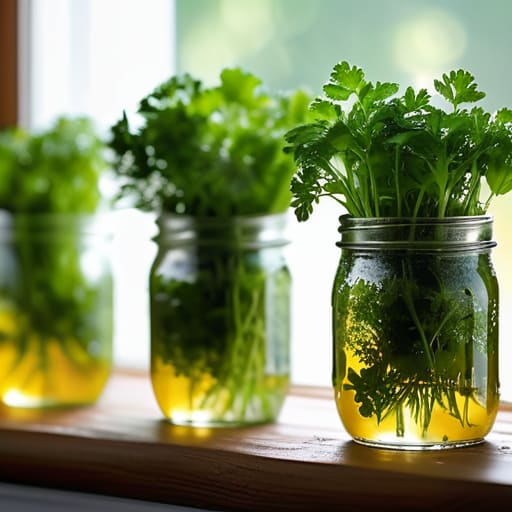
When it comes to the leafy, vibrant stars of our kitchen—cilantro and parsley—I like to think of them as slightly dramatic divas. They crave moisture, but too much of it will turn them into a slimy mess overnight. After testing dozens of methods in my own kitchen, I’ve found that the best way to store cilantro and parsley is to treat them exactly like a fresh bouquet of flowers. Start by giving them a gentle rinse in cool water and, most importantly, ensure they are completely dry before you begin. If you head straight to the fridge with wet leaves, you’re essentially inviting rot to move in.
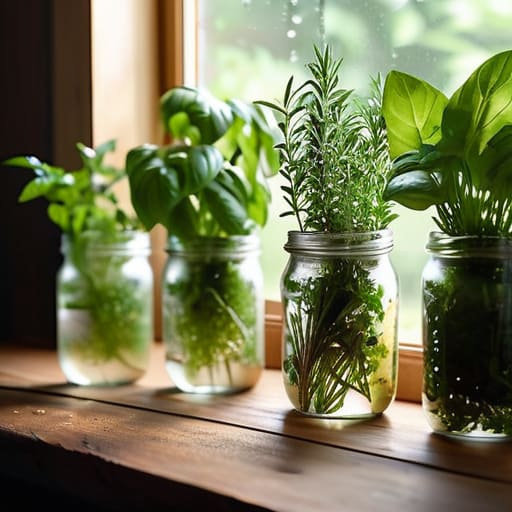
Once they are patted dry, trim the very bottom of the stems and place them upright in a glass jar with about an inch of water. Cover the tops loosely with a reusable silicone bag or a piece of plastic wrap to create a little micro-climate. This method is my absolute secret for preventing herb wilting and rot, as it allows the stems to drink while keeping the delicate leaves protected from the harsh, drying air of the refrigerator. It’s a tiny bit of extra prep, but seeing those bright green leaves a week later makes it so worth it!
Preventing Herb Wilting and Rot With My Tested Methods
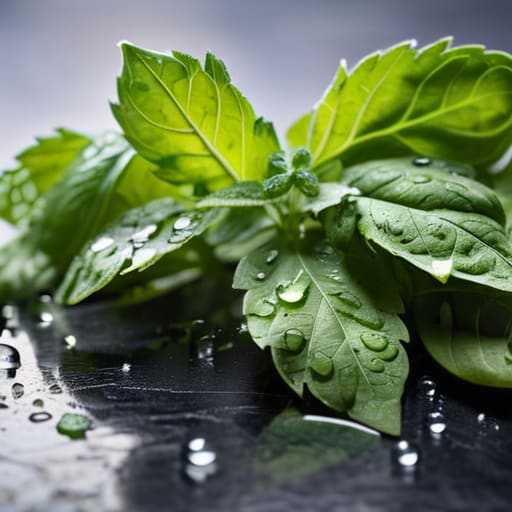
The real secret to preventing herb wilting and rot isn’t just about where you put them, but managing the delicate balance of moisture. When I first started testing recipes in professional kitchens, I realized that most home cooks treat all herbs the same, which is a recipe for disaster. The key is understanding that moisture is a double-edged sword; too little and they shrivel into sad, dusty fragments, but too much and you’re left with a slimy, unusable mess in your crisper drawer.
To truly master keeping fresh herbs alive longer, I always recommend a “hydration first” approach for your soft leafy greens. Think of it like a spa treatment: a quick rinse, a thorough spin in a salad spinner to remove excess water, and then a gentle tuck into a damp paper towel. If you’re looking to upgrade your setup, investing in a few dedicated herb storage containers for your kitchen can be a total game-changer. These specialized vessels help maintain that perfect micro-climate, ensuring your basil stays perky and your mint stays fragrant for days on end.
My Golden Rules for Herb Longevity: 5 Tips to Keep Your Kitchen Vibrant
- Master the art of the ‘herb bouquet.’ For soft herbs like basil or mint, treat them like fresh flowers; trim the stems and stand them upright in a jar with an inch of water. It’s a small step, but it makes a world of difference in keeping them turgid and lively.
- Respect the moisture balance. While hydration is key, excess water is the enemy of freshness. If you’re storing herbs in the fridge, always pat them bone-dry with a paper towel before tucking them into a container. We want them hydrated, not drowning!
- The ‘Paper Towel Hug’ method. For hardier herbs like rosemary or thyme, wrap them loosely in a slightly damp paper towel and place them in a reusable silicone bag. The towel acts as a buffer, providing just enough humidity without the suffocating moisture that leads to slime.
- Give them a little breathing room. I’ve learned the hard way that shoving herbs into the tightest corner of the crisper drawer is a recipe for disaster. Airflow is your best friend; ensure your herb containers aren’t packed so tight that they start to bruise under their own weight.
- Temperature awareness is everything. Not all herbs are created equal when it comes to the cold. While parsley loves the chill, basil is notoriously sensitive and will turn black if it gets too cold. I always keep my basil on the counter in a sunny spot—it’s much happier there!
Bringing It All Together
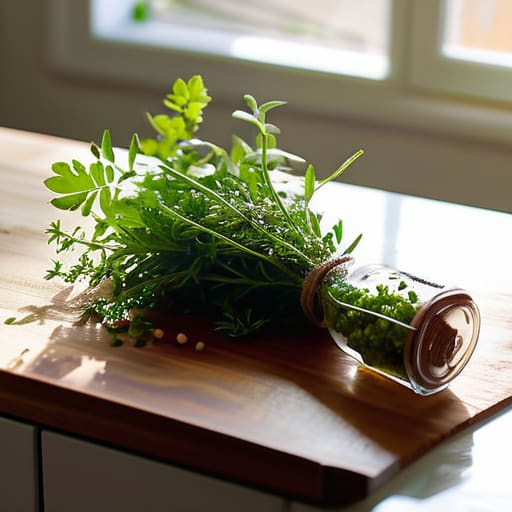
As we wrap up our herb workshop, I want you to remember that the secret to longevity really comes down to two things: moisture management and temperature. Whether you are treating your delicate cilantro like a fresh bouquet of flowers in a glass of water, or carefully swaddling your woody rosemary in a damp paper towel, the goal is the same—preventing that dreaded moisture-to-air ratio that leads to rot. By taking just five extra minutes to practice your mise en place right when you get home from the farmers’ market, you aren’t just saving a few dollars; you are ensuring that every pinch of green you add to your cooking is as potent and fragrant as the day it was picked.
At the end of the day, I hope these little rituals make your time in the kitchen feel less like a chore and more like a beautiful, sensory experience. Cooking is such a wonderful way to tell a story, and there is nothing quite like the bright, punchy aroma of fresh herbs to bring a dish to life. Don’t be afraid to experiment with these methods and see what works best in your specific kitchen environment. Once you master the science of storage, you’ll find that cooking becomes a much more joyful, stress-free adventure. Now, grab those herbs, get them tucked in safely, and I can’t wait to see what delicious masterpieces you create next!