I still remember the countless times I’ve seen people get confused about what is the difference between a modem and a router. It’s a topic that’s often shrouded in mystery, with many believing it’s a complex issue that requires a Ph.D. in computer science to understand. But let me tell you, it’s not as complicated as the experts make it out to be. In fact, I’ve found that most of the confusion stems from the quick start guides that come with these devices, which often leave more questions than answers.
As someone who’s spent years working with technology, I want to assure you that understanding the difference between a modem and a router is easier than you think. In this article, I’ll provide you with a no-nonsense guide that cuts through the jargon and hype, giving you a clear understanding of how these devices work together to provide you with a seamless internet experience. My goal is to empower you with the knowledge you need to take control of your technology, without feeling overwhelmed or intimidated. So, let’s dive in and explore the world of modems and routers, and discover how they can work together to enhance your online experience.
Table of Contents
Unlocking Your Network

To set up a home network, you’ll need to understand how your modem and router work together. Think of your modem as the gateway to the internet, and your router as the traffic cop that directs data to the right devices. When choosing an internet service provider, consider the types of internet service they offer, such as cable, DSL, or fiber optic. This will affect your wireless networking basics, including the speed and reliability of your connection.
As you’re setting up your network, you’ll need to decide between a modem router combo or separate devices. While a combo can be convenient, separate devices often offer more flexibility and customization options. For example, you can choose a router that supports Ethernet connections for devices that require a wired connection, while still providing Wi-Fi for devices that need to be mobile.
When configuring your network, it’s essential to understand IP addresses and ports. Don’t worry if this sounds overwhelming – it’s easier than it sounds! Essentially, IP addresses are like street addresses for your devices, and ports are like specific doors that allow data to enter or exit. By grasping these concepts, you’ll be well on your way to creating a seamless and efficient home network that meets your needs.
Mastering Modem Basics
When it comes to understanding your internet connection, mastering the basics of a modem is essential. A modem, short for modulator-demodulator, is a device that connects your home network to the internet. It takes the digital information from your devices and converts it into an analog signal that can be transmitted over the internet.
To get started, let’s look at how a modem receives data from your internet service provider. This process involves decoding the analog signal back into digital data that your devices can understand. By grasping this fundamental concept, you’ll be better equipped to troubleshoot common issues and optimize your internet setup.
Router Essentials Uncovered
To truly understand how your network functions, it’s crucial to grasp router basics. A router is essentially the device that connects your modem to your devices, distributing the internet connection throughout your home or office. This device plays a pivotal role in managing traffic and ensuring that data packets reach their intended destinations efficiently.
When setting up your router, proper configuration is key. This involves assigning IP addresses, setting up wireless networks, and configuring security settings to protect your network from unauthorized access. By taking the time to understand and implement these settings correctly, you can significantly enhance the performance and security of your network.
What Is the Difference
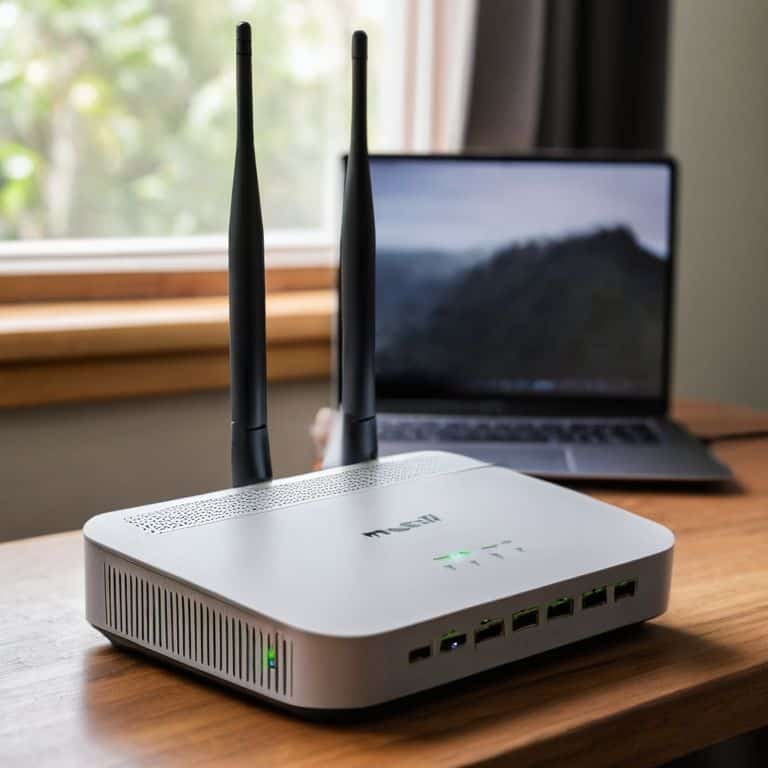
To truly understand how your internet connection works, it’s essential to grasp the roles of each device. Your modem is the gateway to the internet, connecting you to your Internet Service Provider (ISP). On the other hand, your router is responsible for managing traffic within your home network, ensuring that devices can communicate with each other and the internet. When setting up a home network, it’s crucial to understand the difference between wifi and ethernet, as this will impact your network’s performance and security.
As you delve into the world of wireless networking basics, you’ll encounter various types of internet service providers, each with their own set of requirements and limitations. Some ISPs may require a specific modem router combo, while others may recommend separate devices for optimal performance. Understanding these nuances is vital to creating a seamless and efficient home network.
When it comes to configuring your network, it’s essential to have a basic understanding of understanding ip addresses and ports. This knowledge will help you troubleshoot common issues and optimize your network for better performance. By taking the time to learn about these fundamental concepts, you’ll be well on your way to creating a robust and reliable home network that meets your needs.
Modem Router Combos Demystified
When it comes to modem router combos, things can get a bit confusing. When you’re setting up your home network, you might come across devices that combine the functions of both a modem and a router into one unit. This is often referred to as a gateway device.
The key benefit of using a modem router combo is that it simplifies your setup process, reducing the number of devices you need to manage and maintain.
Wifi vs Ethernet Explained
When it comes to connecting to your network, you have two main options: Wifi and Ethernet. Wifi is convenient, allowing you to move around freely with your devices while staying connected. However, it can be less stable and more prone to interference.
For a more reliable connection, consider using Ethernet cables. This wired connection provides a faster and more stable link to your network, making it ideal for applications that require high bandwidth, such as online gaming or video streaming.
5 Essential Takeaways to Clarify the Modem-Router Difference
- Understand that your modem is the gateway to the internet, connecting you to your Internet Service Provider (ISP), while your router distributes this connection to various devices within your network
- Recognize that a modem typically connects to your router via an Ethernet cable, and the router then broadcasts a Wi-Fi signal for wireless devices to connect
- Know that modem-router combos, also known as gateways, combine both functions into one device but may limit customization and upgrade options
- Remember that Wi-Fi and Ethernet are two different methods of connecting devices to your network, with Ethernet offering faster, more stable connections and Wi-Fi providing convenience and mobility
- Always start troubleshooting your internet connection by checking the physical connections, restarting both your modem and router, and then proceeding with more advanced diagnostic steps if necessary
Key Takeaways for a Rocksolid Network
To establish a strong internet connection, understanding the distinct roles of modems and routers is crucial, with modems acting as the gateway to the internet and routers managing network traffic within your home or office
Choosing between WiFi and Ethernet depends on your specific needs, with Ethernet offering faster, more reliable connections for critical applications and WiFi providing flexibility and convenience for mobile devices
When considering modem-router combos, weigh the benefits of convenience and cost savings against potential limitations in customization and upgradability to ensure the best fit for your unique networking requirements
The Modem-Router Distinction
Understanding the difference between a modem and a router is like having the keys to your own digital kingdom – it’s the first step to unlocking a world of seamless connectivity, and I’m excited to be your guide on this journey!
Leo Maxwell
Bringing It All Together
As we’ve explored the differences between a modem and a router, it’s clear that understanding these devices is crucial for a seamless online experience. We’ve covered the basics of modem operation, including how it connects you to the internet, and delved into the world of router essentials, where we learned about the importance of wifi and Ethernet connections. Additionally, we touched on the convenience of modem router combos and the distinction between wifi and Ethernet. By grasping these concepts, you’re well on your way to becoming a tech rockstar, capable of navigating even the most complex network setups with ease.
So, as you move forward with your newfound knowledge, remember that technology is a tool meant to empower you, not intimidate you. Don’t be afraid to experiment, to ask questions, and to take control of your digital life. With patience, persistence, and practice, you’ll find that the world of tech is not only accessible but also incredibly rewarding. Keep exploring, keep learning, and most importantly, keep pushing the boundaries of what you thought was possible.
Frequently Asked Questions
Do I need to buy a separate modem and router, or can I use a combo device?
Don’t worry, I’ve got you covered. You can actually use either a separate modem and router or a combo device. Combo devices can be convenient, but separate units often offer better performance and easier troubleshooting. Let’s weigh the pros and cons, and I’ll help you decide what’s best for your setup.
How does the modem and router setup affect my internet speed and overall network performance?
So, you’re wondering how your modem and router setup impacts your internet speed? Well, let’s break it down: a good modem/router combo can significantly boost your network performance. I’ll walk you through some key factors, like signal strength and bandwidth, to help you optimize your setup for faster, more reliable internet.
Can I use any router with my existing modem, or are there compatibility issues I should be aware of?
Not all routers are created equal, and compatibility can be a concern. Generally, any router should work with your modem, but check if your modem uses a specific protocol, like DOCSIS or fiber, and ensure your router supports it. Also, consider the router’s speed and features to match your internet plan and needs.