I still remember the day I turned an old boot into a quirky planter for my succulents – it was like a lightbulb moment for me. I realized that a guide to creative planters wasn’t just about finding a vessel for your plants, but about telling a story through the objects you choose to display them in. For years, I’ve been scouring flea markets and thrift stores for unique treasures to repurpose as planters, and I’ve learned that it’s not just about the plant itself, but about the character it adds to your space.
In this article, I’ll share my favorite tips and tricks for finding and creating your own one-of-a-kind planters. From old teapots to vintage suitcases, I’ll show you how to think outside the box (or pot, in this case!) and turn any object into a beautiful, functional planter. You’ll learn how to assess an object’s potential, prepare it for planting, and care for your new, eclectic garden. Whether you’re a seasoned gardener or just starting out, my goal is to inspire you to see the potential in everyday objects and to have fun while doing it. So, let’s get started on this creative journey and turn your plants into a reflection of your unique style!
Table of Contents
Guide Overview: What You'll Need
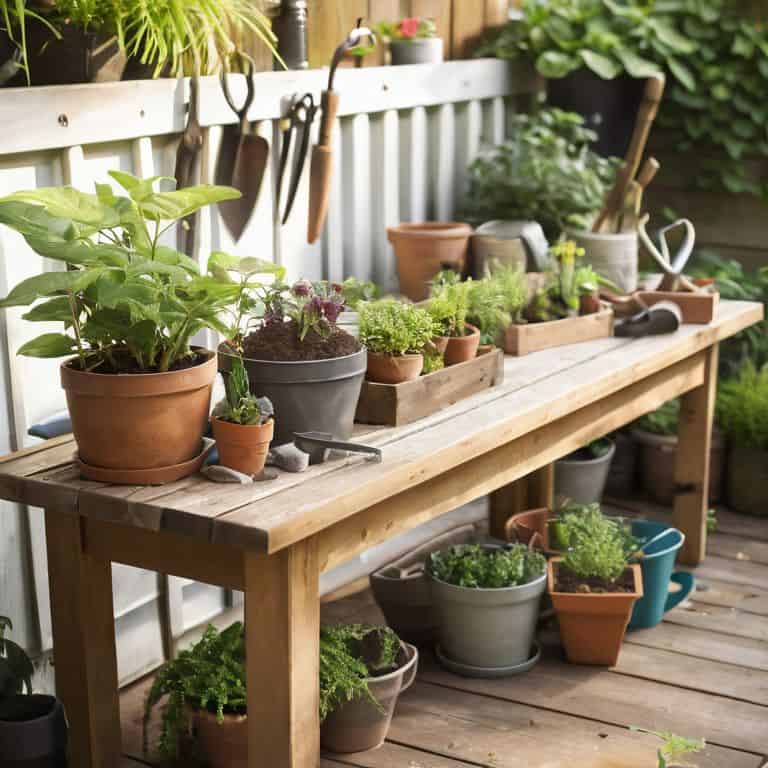
Total Time: 1 hour 30 minutes
Estimated Cost: $20 – $40
Difficulty Level: Easy
Tools Required
- Hammer
- Trowel for applying adhesive
- Paintbrush for decorative painting
- Drill (with screwdriver and drill bits)
- Measuring Tape for measuring planters and spaces
Supplies & Materials
- Terracotta Pots various sizes
- 6 inches of decorative ribbon for hanging planters
- Wooden Planks 2-in x 4-in lumber for planter boxes
- Gardening Soil
- Paint acrylic or spray paint for decoration
- Adhesive for bonding materials
- Gravel for drainage in planters
Step-by-Step Instructions
- 1. First, let’s start by gathering our treasures – I like to scour flea markets, thrift stores, and even my grandma’s attic for unique containers that can be turned into planters. Think old boots, tea sets, or wooden crates – anything that sparks your imagination and tells a story.
- 2. Next, give your found treasures a good cleaning and prep. I like to use a mixture of soap and water, and a soft-bristled brush to get into all the nooks and crannies. This step is crucial in making sure your planters are free of any dirt or debris that might affect your plants’ health.
- 3. Now it’s time to get creative with paint and decorations. I love using bright, bold colors to add a pop of personality to my planters. You can use spray paint, acrylics, or even decoupage to give your planters a unique look. Don’t be afraid to experiment and try out new techniques – it’s all part of the fun.
- 4. Once your planters are dry and decorated, it’s time to add some drainage magic. I like to use a mixture of small rocks and activated charcoal to help prevent waterlogged soil and root rot. This step is essential in keeping your plants happy and healthy.
- 5. Now it’s time to add the soil and plants. I like to use a high-quality potting soil that’s specifically designed for the type of plants I’m using. Make sure to leave enough space for the roots to grow, and don’t overwater – you want your plants to have a happy and healthy start.
- 6. To add an extra touch of personality to your planters, try accessorizing with ribbons or twine. I love using natural fibers like jute or hemp to add a rustic touch to my planters. You can also use ribbons or lace to give your planters a more feminine look.
- 7. Finally, place your planters in a spot where they can shine. I like to group my planters together to create a unique and eclectic display. Don’t be afraid to move them around until you find the perfect spot – and don’t forget to take plenty of photos to show off your creative planters on social media.
A Guide to Creative Planters
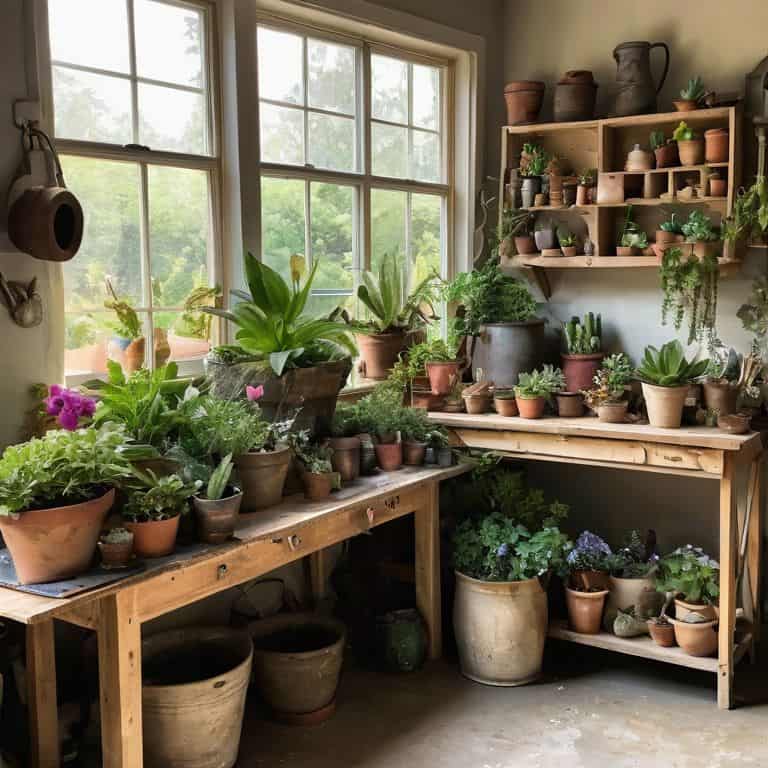
As I delve deeper into the world of creative planters, I’m reminded of the magic that happens when you combine upcycled planter ideas with a little bit of imagination. I’ve found that old boots, wooden crates, and even vintage suitcases can make for unique and charming planters. The key is to think outside the box and consider what story you want your planter to tell. For instance, a beautifully painted ceramic pot can add a touch of elegance to any room, and with the right ceramic pot painting techniques, you can create a one-of-a-kind piece that reflects your personal style.
When it comes to arranging your planters, don’t be afraid to get creative with indoor plant decor ideas. Consider grouping plants of varying textures and heights to add depth and visual interest to a room. You can also experiment with vertical garden planters to make the most of a small space. I’ve even used old pallets to create a unique vertical garden on my patio, and it’s become a stunning focal point.
To take your planters to the next level, consider incorporating self-watering planter designs into your arrangements. These clever planters allow you to enjoy your plants without the hassle of constant watering, making them perfect for busy people or those new to gardening. By combining these innovative designs with your own personal style, you’ll be well on your way to creating a beautiful and thriving indoor oasis that tells a story all its own.
Ceramic Pot Painting for Unique Charm
I adore giving old ceramic pots a fresh new look with a coat of paint. It’s amazing how a little creativity can turn a thrift store find into a one-of-a-kind planter. I’ve named my paintbrush “Pixie” – she’s my trusty sidekick for all my DIY adventures. With Pixie in hand, I love experimenting with different colors and patterns to match my patio’s eclectic vibe. A soft peach hue or a playful geometric design can completely transform a plain pot into a charming home for my herbs or succulents.
Upcycled Planter Ideas to Tell Your Story
I adore giving old items a new life as planters – it’s a great way to add a personal touch to your space. I’ve turned vintage boots, teapots, and even a broken toilet into quirky planters. My favorite upcycled planter is an old wooden ladder I found at a flea market, now a charming spot for my herbs to grow.
These unique planters tell a story, reflecting my personality and style. You can do the same by scouting thrift stores, flea markets, or your own backyard for hidden gems. With a little creativity, you can turn any ordinary object into an extraordinary planter that showcases your character and adds a touch of whimsy to your home.
Bringing Your Planters to Life: 5 Essential Tips
- Let your personality shine by mixing and matching different planter styles and textures to create a unique outdoor space
- Experiment with various materials like wood, metal, and ceramic to add depth and character to your planters
- Don’t be afraid to get creative with the plants themselves – combine tall and short, bright and muted, to create a visually interesting display
- Consider the story you want your planters to tell and choose decorations and embellishments that reflect your personal style and history
- Remember, it’s all about having fun and making mistakes – don’t be too hard on yourself if a planter doesn’t turn out as expected, just see it as an opportunity to try something new
Planting Your Story: 3 Key Takeaways
I’ve learned that the most beautiful planters are the ones that tell a story – whether it’s an old boot turned into a planter or a ceramic pot painted with love, each one adds a unique touch to your space
Upcycling and repurposing old items as planters not only reduces waste but also allows you to infuse your personality into your home decor, making it truly one-of-a-kind
Remember, the perfect planter is one that reflects your style and complements your green friends – don’t be afraid to experiment, get creative, and have fun with the process of finding the perfect vessel for your plants
Planting Your Personality
The right planter is not just a holder for your plants, it’s a chapter in the story of your home – a chance to add a piece of your personality to every room and make every space a reflection of you.
Maya Rivera
Bringing Your Story to Life with Creative Planters
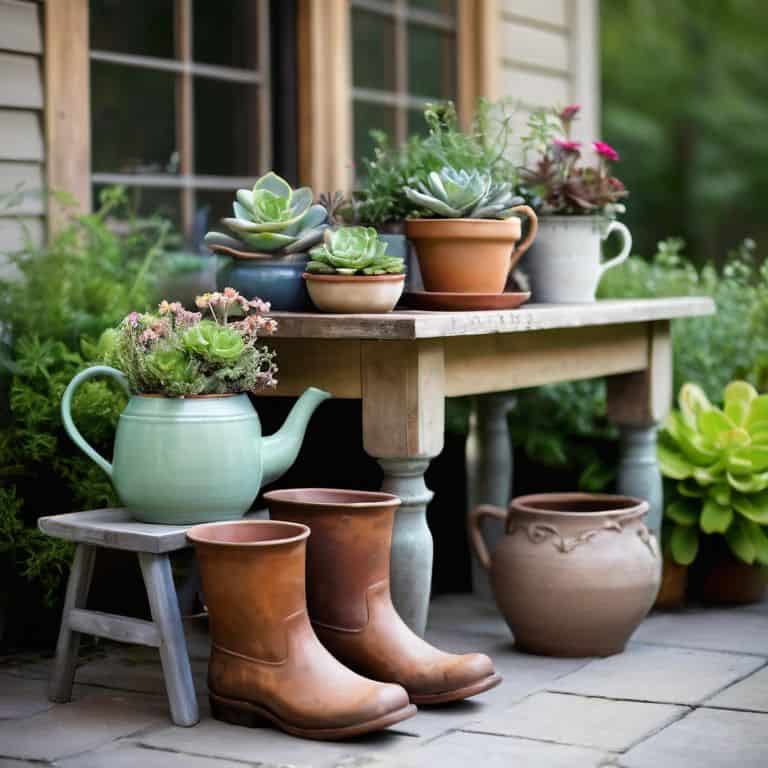
As we conclude our journey through the world of creative planters, I hope you’ve been inspired to think outside the box and turn ordinary objects into extraordinary vessels for your plants. We’ve explored a variety of upcycled planter ideas, from transforming old boots and teapots into unique planters, to giving new life to vintage ceramics through ceramic pot painting. These projects not only add a personal touch to your home but also tell a story of resourcefulness and creativity.
Now, as you embark on your own creative planter adventure, remember that it’s all about telling your story through the objects and plants you choose. Don’t be afraid to experiment, try new things, and make mistakes – they’re all part of the creative process. With a little imagination and some basic DIY skills, you can create a beautiful, one-of-a-kind planter that reflects your personality and style. So go ahead, get creative, and watch your space come alive with the stories of your unique planters!
Frequently Asked Questions
What are some common materials I can use to create my own unique planters?
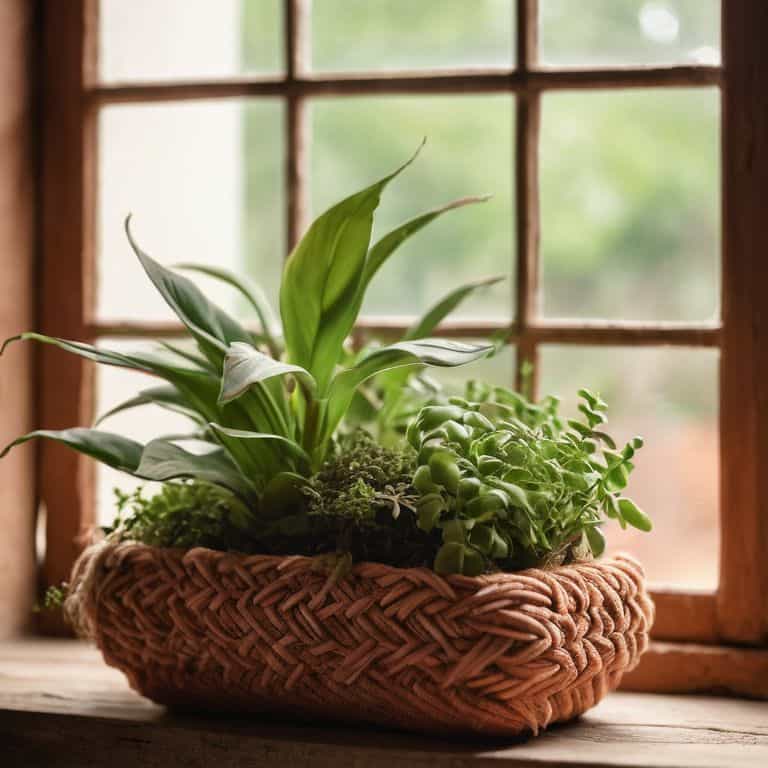
I just love experimenting with different materials for planters. You can use almost anything – old boots, wooden crates, mason jars, or even vintage suitcases. I’ve also had fun with concrete, macramé, and woven baskets. The key is to think outside the box and let your personality shine through in your planter choices.
How do I ensure my upcycled planters have proper drainage for my plants?
Drainage is key for happy plants. I add a layer of small rocks or broken pottery at the bottom of my upcycled planters, and then a mix of soil and perlite for extra drainage power. You can also drill a few holes in the bottom if it’s a solid material – my trusty drill, Bertha, is always up for the task!
Can I use any type of paint on ceramic pots or are there specific types recommended for outdoor use?
When it comes to painting ceramic pots for outdoor use, I always recommend using specialized outdoor ceramic paint or sealers to protect your masterpiece from the elements. Look for paints labeled as “weather-resistant” or “outdoor-grade” to ensure your beautiful design stays vibrant and intact.