I still remember the day I stumbled upon an old, mysterious color wheel in my grandmother’s attic. It was love at first sight! As a graphic designer turned DIY home blogger, I’ve always been fascinated by the way colors can transform a space and tell a story. That’s why I’m excited to share with you a guide to using a color wheel in decorating, and how it can help you create a unique and personalized home. My partner and I have been using it to renovate our quirky old house, room by room, and the results have been nothing short of magical.
In this article, I promise to cut through the jargon and share my hands-on experience with using a color wheel to create a cohesive and beautiful space. You’ll learn how to choose colors that reflect your personality, complement your furniture, and even evoke emotions. My goal is to empower you with the knowledge and confidence to take control of your decorating journey, and to show you that a guide to using a color wheel in decorating is not just about following rules, but about unleashing your creativity and telling your own story through color.
Table of Contents
Guide Overview: What You'll Need
Total Time: 1 hour 15 minutes
Estimated Cost: $10 – $30
Difficulty Level: Easy
Tools Required
- Color Wheel Chart (available online or at art supply stores)
- Paint Swatches (various colors)
- Room Planner or Graph Paper (for sketching room layouts)
- Pencil and Eraser (for marking and correcting color choices)
Supplies & Materials
- Paint Samples (in various colors to test on walls)
- Furniture and Decor Items (to arrange and rearrange for color harmony)
- Measuring Tape (to measure rooms and furniture in feet and inches)
Step-by-Step Instructions
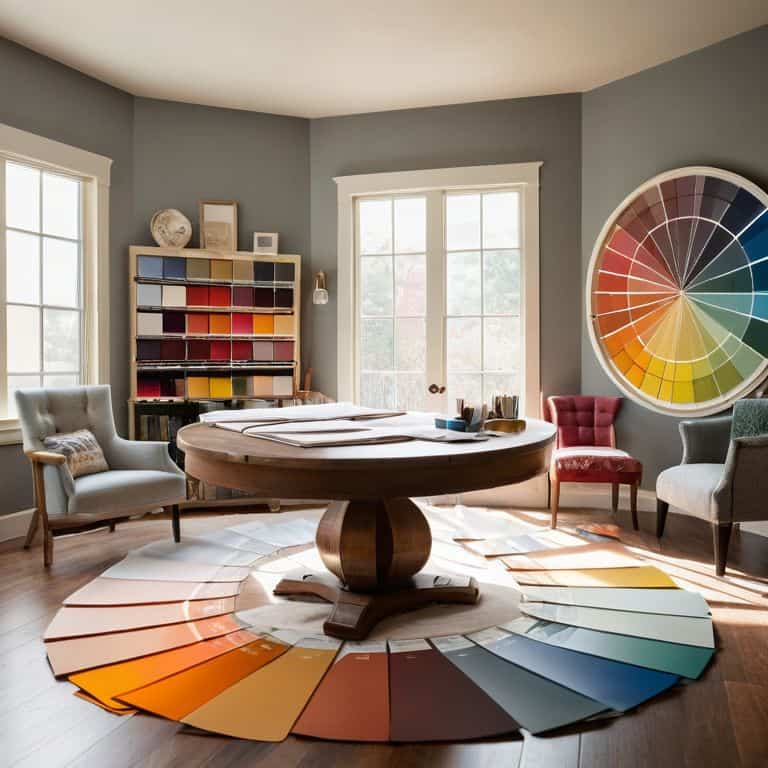
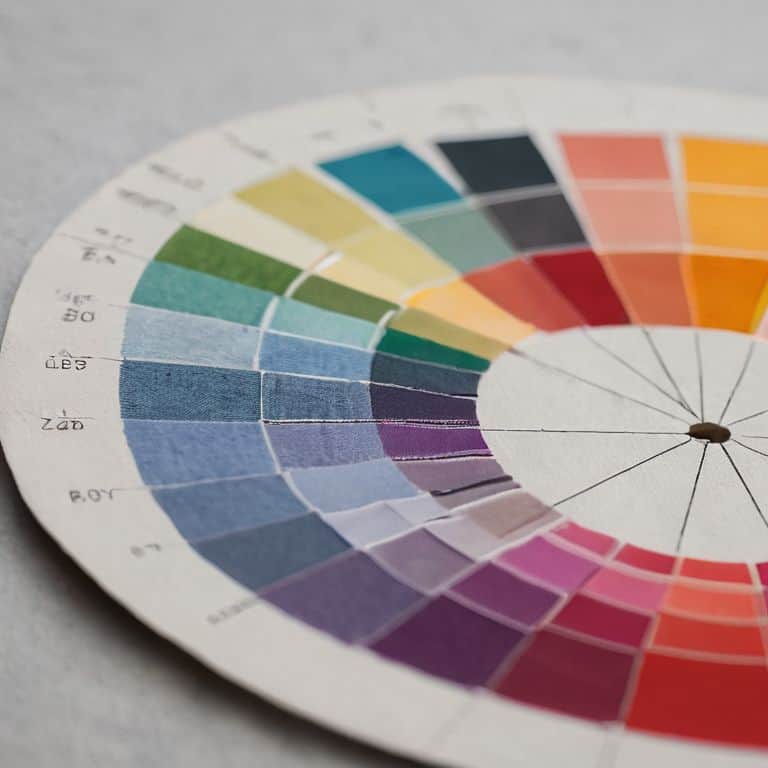
- 1. First, let’s get familiar with the color wheel itself – it’s a circular representation of colors, showing how they relate to each other. Think of it as a map to navigate the world of hues and find the perfect combination for your space. Start by printing out a color wheel or using a digital version, and take some time to explore the different sections and how colors transition into one another.
- 2. Next, identify the dominant color you want to feature in your room. This could be a color you love, a color that’s already present in the room through furniture or decor, or even a color inspired by a piece of art or nature. Use this color as your starting point, and then look for harmonious colors that are opposite each other on the color wheel, known as complementary colors, or next to each other, known as analogous colors.
- 3. Now, let’s talk about monochromatic color schemes, which involve using different shades of the same color. This is a great way to create a cohesive look and can be really effective in small spaces. To create a monochromatic scheme, start with your dominant color and then find lighter and darker versions of it. You can use these different shades to add depth and interest to your space.
- 4. It’s time to consider the 60-30-10 rule, a guideline that can help you balance your color scheme. The idea is to use your dominant color for 60% of the room, a secondary color for 30%, and an accent color for 10%. This will help create a sense of harmony and prevent any one color from overpowering the space. Remember, this is just a guideline, and the most important thing is to have fun and experiment with different combinations.
- 5. As you start to narrow down your color options, think about the mood and atmosphere you want to create in your room. Different colors can evoke different emotions, so consider what feeling you want to get when you walk into the space. For example, warm colors like orange and red can create a cozy and inviting atmosphere, while cool colors like blue and green can create a calming and serene one.
- 6. Now it’s time to test out your color scheme with paint swatches or color samples. Paint a small section of your wall with each color, or use adhesive color samples to get a sense of how the colors will look in the space. This is a crucial step, as colors can look different on a small swatch versus a large wall. Take your time, and don’t be afraid to try out a few different options.
- 7. Finally, don’t forget to consider the natural light in your room and how it will affect your color scheme. Natural light can change the way colors appear, so it’s essential to test out your colors at different times of day. Take note of how the colors look in the morning, afternoon, and evening, and adjust your scheme accordingly. And remember, the most important thing is to have fun and make your space uniquely yours.
Spin Your Tale
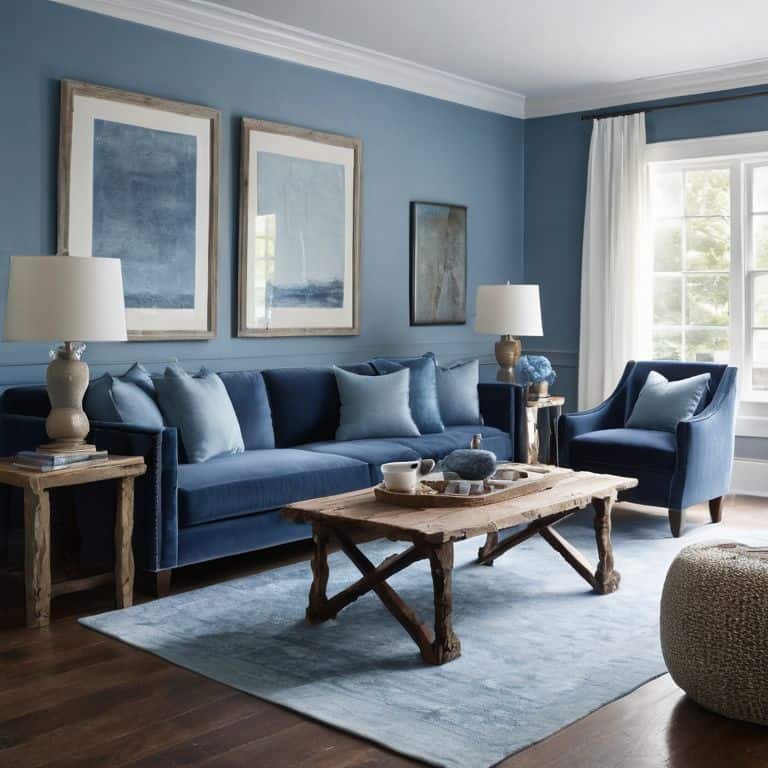
As I delve into the world of color theory for interior design, I’m reminded that creating a monochromatic color scheme can be a great way to add depth and visual interest to a room. By using different shades of the same color, you can create a sense of continuity and flow. I like to think of it as telling a story with varying shades of emotion – from soft whispers to bold statements.
When experimenting with colors, I often find myself drawn to the split complementary color palette, which offers a nice balance between contrast and harmony. This technique involves pairing a color with the two colors on either side of its complementary color, creating a unique and visually appealing effect. It’s a great way to add some excitement to your space while still maintaining a sense of warm and cool color harmony.
As a beginner, it’s essential to remember that decorating with neutral colors can be a great way to start your color journey. Neutral colors provide a clean canvas, allowing you to introduce bold colors and patterns through furniture and accessories. By using a color wheel for beginners, you can start to understand how different colors interact with each other and begin to tell your own story through color.
Color Theory Magic
As I delve into the world of color theory, I’m reminded of the countless hours I spent scouting flea markets for unique furniture to restore. The way a vintage armchair can be transformed with a fresh coat of paint is nothing short of magic. And that’s exactly what the color wheel offers – a magical tool to unlock the secrets of harmonious hues. By understanding how colors interact, you can create a visual narrative that’s both personal and captivating. I recall my partner and I restoring our old, quirky house, room by room, and how the right color palette brought each space to life.
With the color wheel as my guide, I’ve discovered that even the most unexpected color combinations can become a stunning story. Like the time I paired a deep teal with a warm golden yellow in our living room – it was as if the walls were telling a tale of their own. As I always say, every room should tell a story, and the color wheel is the key to unlocking that narrative. Whether you’re a fan of bold and bright or soft and subtle, the color wheel will help you spin a tale that’s uniquely yours.
Warm Cool Harmony
As I delve into the world of color harmony, I find myself enchanted by the warm-cool balance. It’s like creating a symphony for my walls – the warm tones are the lively rhythms, while the cool tones are the soothing melodies. By blending these two, I can craft a space that’s both inviting and calming. My power tool, “Bertha” the brush, and I have had our fair share of fun experimenting with this balance. We’ve found that combining earthy reds with soft blues can create a captivating narrative in any room.
In my own home, I’ve used this harmony to tell the story of a cozy retreat. By pairing terracotta hues with mossy greens, I’ve brought the outdoors in, creating a sense of continuity between my urban garden and indoor sanctuary. This warm-cool harmony has become a signature element in my design journey, allowing me to weave a unique tale with each new project.
Weaving Your Color Tale: 5 Essential Tips
- Let colors converse: remember, the color wheel is your guide, not your dictator – feel free to break the rules and create a unique dialogue between hues
- Harmonize with nature: bring the outdoors in by selecting palettes inspired by the changing seasons, sunset hues, or the soft tones of a misty morning
- Play with proportions: don’t be afraid to go bold with a dominant color and balance it with smaller doses of its complementary counterpart
- Create a mood board masterpiece: gather images, fabrics, and objects that evoke the feeling you want to achieve in your space and use the color wheel to tie everything together
- Experiment and evolve: your color story is not set in stone – be open to changes and adjustments as you journey through the decorating process, and don’t be surprised if your palette transforms into something entirely new and exciting
Bringing It All Together: 3 Key Takeaways
Embracing the color wheel as your storytelling companion can help you create a harmonious and unique space that reflects your personality
By understanding the magic of color theory and the balance between warm and cool hues, you can unlock endless possibilities for your home’s decor
Remember, the true essence of decorating lies not in following trends, but in telling your story, one color at a time, and making your space a vibrant reflection of you and your adventures
Unlocking the Power of Color
As I always say, a color wheel is not just a tool, it’s a key to unlocking the story of your home – every hue, a chapter; every shade, a secret; every tone, a tale of you!
Maya Rivera
Bringing Your Story to Life
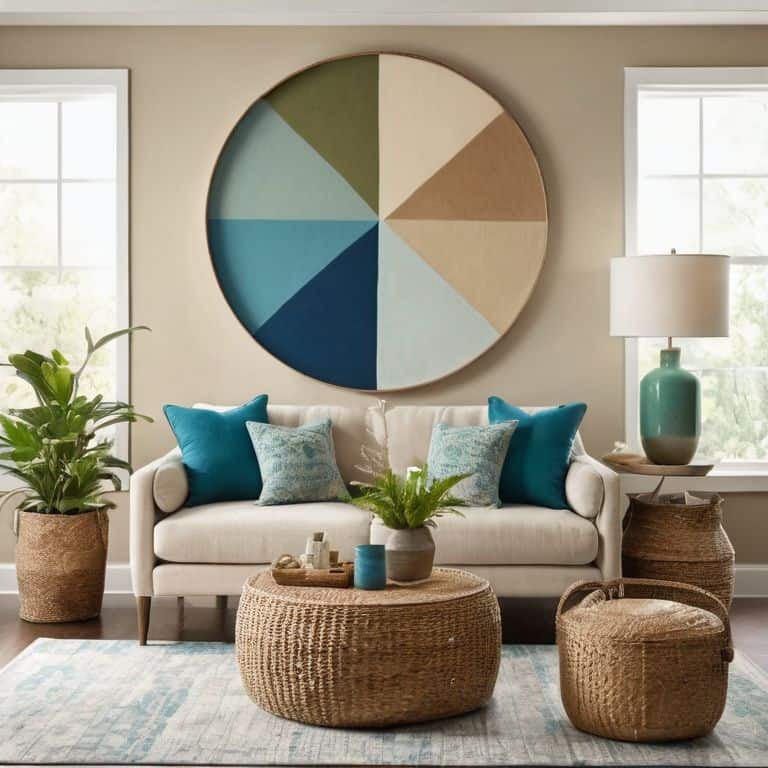
As we conclude our journey through the world of color wheels, remember that the key to unlocking your home’s unique story lies in understanding the harmony between colors. We’ve explored the basics of color theory, delved into the magic of warm and cool colors, and discovered how to create a palette that reflects your personality. By applying these principles, you’ll be able to spin your tale and transform your living space into a reflection of your imagination and style.
So, don’t be afraid to get creative and experiment with different hues and combinations. Your home is a canvas, waiting for you to bring it to life with vibrant colors and personal touches. As you embark on this decorating adventure, remember that it’s okay to make mistakes – they’re all part of the story. With a color wheel as your guide, you’ll be well on your way to crafting a space that’s truly, beautifully yours.
Frequently Asked Questions
How do I choose a color scheme that complements my existing furniture and decor?
Let’s play matchmaker with your furniture and decor. Grab a color wheel and find the hues that already exist in your space – think upholstery, rugs, and accent pieces. Then, look for complementary colors on the wheel to create a harmonious palette that makes your heart skip a beat!
What's the best way to use the color wheel to create a cohesive look in a multi-room space?
To tie rooms together, I like to pick a unifying color and use its variations across spaces – think of it as a visual thread that weaves your story. For example, a warm beige in the living room can become a soft peach in the adjacent dining area, creating a cohesive flow that feels like a natural narrative.
Can I use the color wheel to select colors for a single room, like a bedroom or kitchen, or is it better suited for whole-house design?
Absolutely, the color wheel is a room’s best friend! Whether you’re dreaming up a serene bedroom oasis or a vibrant kitchen hub, it helps you choose colors that flow together in perfect harmony, telling a unique story in each space.