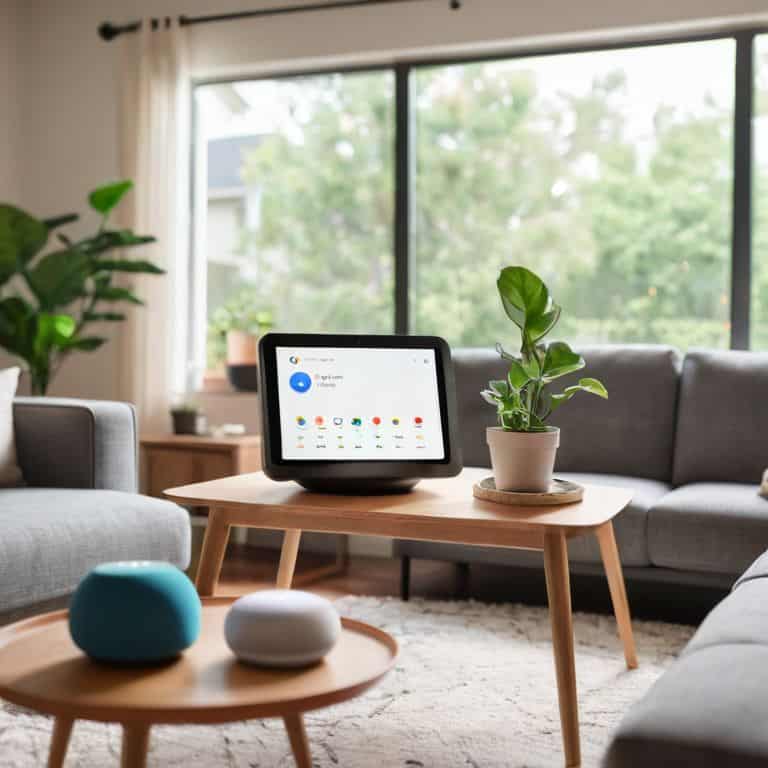
I still remember the day I brought home my first Google Home device, excited to dive into the world of smart home automation. But, as I opened the box and started reading the quick start guide, I couldn’t help but feel a sense of frustration. The instructions seemed to assume I already knew the basics of smart home technology, and I was left wondering if I had made a mistake by investing in this device. That’s why I’m excited to share with you a beginner’s guide to google home, where I’ll walk you through every step of setting up and using your Google Home device, from unboxing to advanced features.
In this article, I promise to cut through the hype and provide you with practical advice on how to get the most out of your Google Home device. We’ll cover topics such as setting up your device, using voice commands, and integrating it with other smart home devices. My goal is to make you feel confident and in control of your technology, so you can enjoy the benefits of smart home automation without the frustration. By the end of this guide, you’ll be well on your way to mastering your Google Home device and unlocking its full potential. So, let’s get started and explore the world of smart home automation together!
Table of Contents
- Guide Overview: What You'll Need
- Step-by-Step Instructions
- A Beginners Guide to Google Home
- 5 Essential Tips to Supercharge Your Google Home Experience
- Key Takeaways for a Seamless Google Home Experience
- Embracing the Future of Smart Homes
- Conclusion: Mastering Google Home with Ease
- Frequently Asked Questions
Guide Overview: What You'll Need
Total Time: 1 hour 30 minutes
Estimated Cost: $50 – $100
Difficulty Level: Easy
Tools Required
- Smartphone (with Google Home app)
- Tablet or Computer (for initial setup)
- Power Outlet (for Google Home device)
Supplies & Materials
- Google Home Device
- Stable Internet Connection
- Google Account (for device registration)
Step-by-Step Instructions
- 1. First, let’s get started with the basics – setting up your Google Home device. To do this, you’ll need to download and install the Google Home app on your smartphone or tablet. This app is available for both Android and iOS devices, so don’t worry if you’re using an iPhone or a Samsung – it’s covered. Once the app is installed, open it and sign in with your Google account.
- 2. Next, you’ll need to plug in your Google Home device and wait for the lights to start blinking. This usually takes a few seconds, and it’s a sign that your device is ready to be set up. In the Google Home app, tap on “Set up a new device” and follow the prompts to connect your device to your Wi-Fi network. Make sure you’re connected to the same network on your phone or tablet to avoid any issues.
- 3. Now that your device is connected to the internet, it’s time to link your Google account. This will allow you to access all of your Google services, such as Google Calendar, Google Photos, and more, using just your voice. You’ll be prompted to sign in with your Google account again, and then you’ll be asked to agree to the terms of service.
- 4. With your account linked, you can start customizing your Google Home experience. You can add new devices to your network, such as smart lights or thermostats, and control them using voice commands. You can also set up routines, which allow you to perform multiple actions with a single voice command.
- 5. One of the most useful features of Google Home is its ability to play music and podcasts. You can link your favorite music streaming services, such as Spotify or Apple Music, and play your favorite tunes using voice commands. You can also ask Google Home to play news updates, podcasts, or even audiobooks.
- 6. To take your Google Home experience to the next level, you can explore the Google Home app and discover new features and settings. You can change the wake word, adjust the volume, or even set up multi-room audio. The app is intuitive and easy to use, so don’t be afraid to dig in and see what’s available.
- 7. Finally, let’s talk about troubleshooting common issues. If you’re having trouble with your Google Home device, don’t worry – it’s usually an easy fix. First, try rebooting your device by unplugging it and plugging it back in. If that doesn’t work, you can try resetting your device to its factory settings. And if all else fails, you can always contact Google support for further assistance.
A Beginners Guide to Google Home
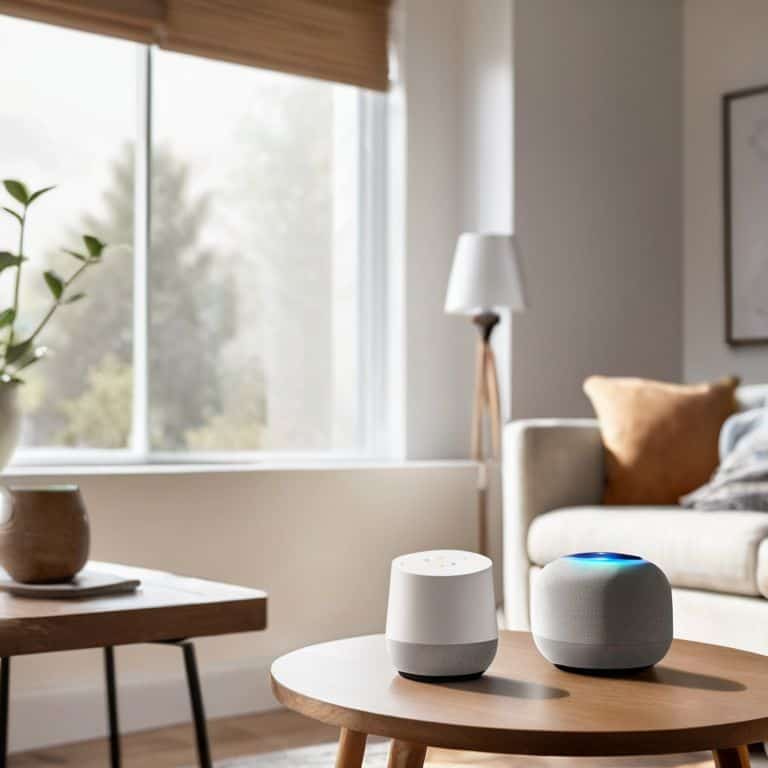
As you get started with your Google Home, you’ll want to explore the various google home routines examples that can simplify your daily life. For instance, you can create a routine that turns on the lights, adjusts the thermostat, and plays your favorite music all with just one voice command. This level of smart home automation can be incredibly powerful and convenient.
When it comes to setting up your Google Home, don’t forget to take advantage of the google home voice match setup. This feature allows Google Home to recognize your voice and provide personalized results, making your experience even more enjoyable and tailored to your needs.
To get the most out of your Google Home, consider investing in some of the best google home compatible devices, such as smart bulbs or security cameras. These devices can seamlessly integrate with your Google Home, enabling you to control and monitor them with ease. If you encounter any issues, don’t worry – troubleshooting google home issues is often simpler than you think, and there are many resources available to help you resolve any problems that may arise.
Best Devices for Seamless Integration
To get the most out of your Google Home, you’ll want to integrate it with other devices that complement its capabilities. I’ve found that devices like Philips Hue smart bulbs and Nest thermostats work seamlessly with Google Home, allowing for effortless voice control over your home’s lighting and temperature.
For a truly immersive experience, consider pairing Google Home with a Chromecast device, enabling you to control your TV and stream your favorite shows with just your voice. These devices will help you create a smart home ecosystem that’s both convenient and enjoyable to use.
Google Home Mini Setup Simplified
Now that we’ve covered the basics, let’s dive into setting up your Google Home Mini. I’ve found that the included Quick Start Guide can be a bit misleading, so I’ll walk you through my own simplified steps. First, make sure you have the Google Home app installed on your smartphone or tablet. Next, plug in your Google Home Mini and wait for the initialization process to complete – this should only take a minute or two.
Have you tried turning it off and on again? Just kidding, we’re just getting started! Seriously, though, once your Mini is powered on, open the Google Home app and follow the in-app prompts to connect your device to your Wi-Fi network. You’ll also need to link your Google account and choose your default music service. Don’t worry, I’ll guide you through each of these steps in detail to ensure a seamless setup process.
5 Essential Tips to Supercharge Your Google Home Experience
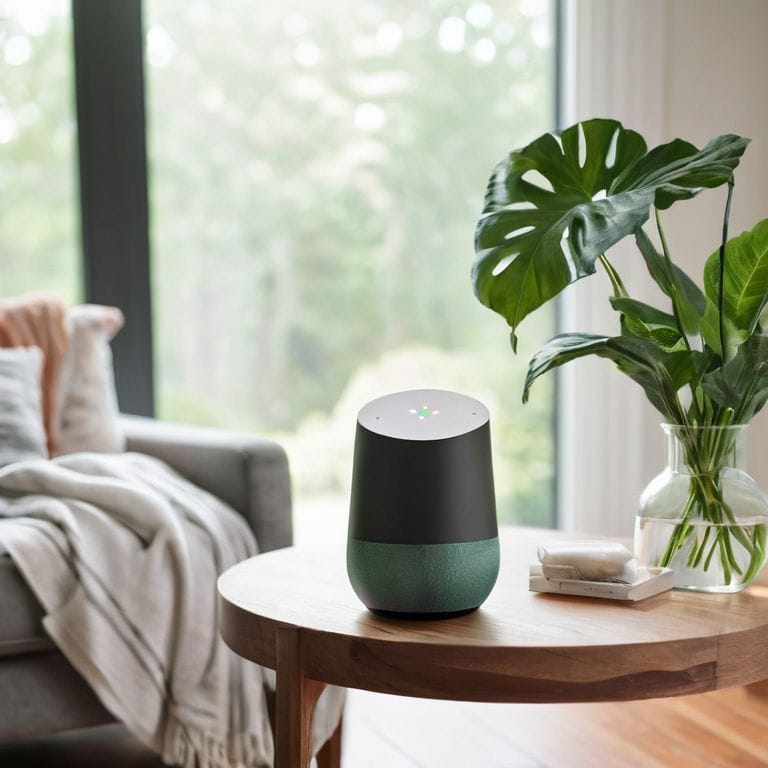
- Start with a clean slate: Before setting up your Google Home, ensure your Wi-Fi network is stable and secure to avoid any connectivity issues
- Voice match is your friend: Take a few minutes to set up Voice Match on your Google Home, allowing it to recognize your voice and provide personalized results
- Explore the Google Home app: Familiarize yourself with the Google Home app, which is your central hub for managing devices, routines, and settings
- Routines are key: Create custom routines to automate multiple actions with a single voice command, making your life easier and more convenient
- Keep your Google Home updated: Regularly check for software updates to ensure you have the latest features and security patches, keeping your device running smoothly and securely
Key Takeaways for a Seamless Google Home Experience
Ensure a smooth setup by following the step-by-step guide and troubleshooting tips to get the most out of your Google Home device
Choose the right devices for seamless integration, including smart bulbs, thermostats, and security cameras, to create a comprehensive smart home ecosystem
Remember to regularly update your Google Home software and explore new features and skills to continuously enhance your smart home experience and stay up-to-date with the latest technology
Embracing the Future of Smart Homes
The true power of Google Home lies not in its technology, but in its ability to simplify our lives and bring us closer to the people and things that matter – it’s not just a device, it’s a gateway to a more connected, more convenient, and more enjoyable living experience.
Leo Maxwell
Conclusion: Mastering Google Home with Ease
As we conclude this beginner’s guide to Google Home, let’s recap the key points we’ve covered. We started with the basics of setting up your Google Home device, walked through the simplified setup of the Google Home Mini, and explored the best devices for seamless integration. By following these step-by-step instructions and understanding how to choose the right devices, you’ll be well on your way to creating a smart home ecosystem that makes your life easier and more convenient. Remember, the goal is to make technology work for you, not against you.
Now that you’ve taken the first steps into the world of Google Home, I encourage you to keep exploring and discovering new ways to make the most of your device. Don’t be afraid to experiment and try new things – it’s all part of the journey to maximizing your smart home potential. With patience, practice, and a willingness to learn, you’ll be amazed at what you can achieve. So, go ahead, take the reins, and make your Google Home experience truly unforgettable.
Frequently Asked Questions
What are the basic requirements for setting up Google Home in my house?
To get started with Google Home, you’ll need a few basics: a Google account, a stable internet connection, and the Google Home app on your smartphone or tablet. Don’t worry, I’ll walk you through each step – have you tried checking your router’s placement for optimal Wi-Fi coverage?
Can I use Google Home with my existing smart devices from other brands?
Absolutely, Google Home plays nice with many other brands. I’ve had success integrating it with Philips Hue lights, Nest thermostats, and even some security cameras. Just check if your device is on Google’s compatibility list, and we’ll get everything talking to each other in no time.
How do I troubleshoot common issues with Google Home, such as poor voice recognition or connectivity problems?
Have you tried turning it off and on again? Seriously, that often fixes issues. For poor voice recognition, try relocating Google Home to reduce echo or interference. For connectivity problems, restart your router and check your Wi-Fi network strength. I’ve got a detailed troubleshooting guide on my blog if you need more help.